Apple’s 2027 Gambit: ‘Visual Intelligence’ AirPods and the Post-Smartphone Future

Apple is preparing a massive 2027 launch featuring AI-driven AirPods with built-in cameras, a bezel-less 20th-anniversary iPhone, and a second-generation foldable model. This strategy highlights Apple's shift toward 'Visual Intelligence' and ambient computing powered by next-generation 2nm silicon.

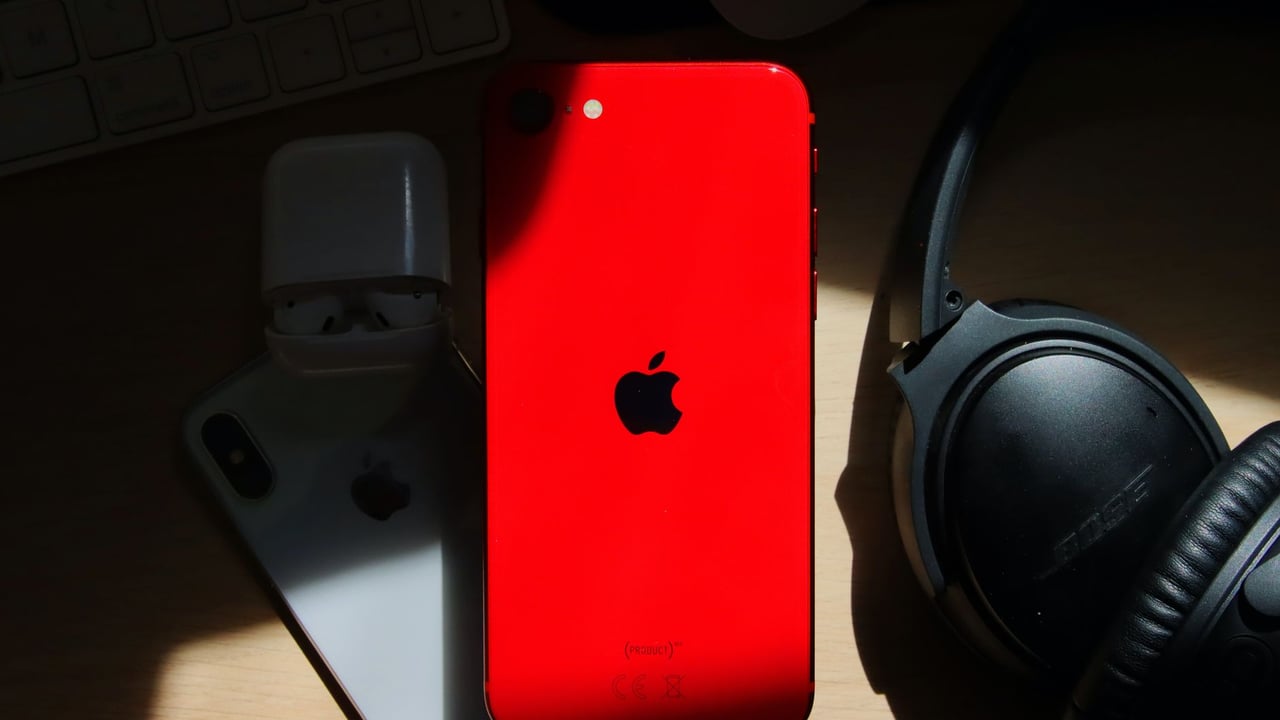
A flat lay of a red iPhone surrounded by AirPods and Bose headphones on a wooden surface.

Key Takeaways

  • 1Apple plans to launch AirPods with environment-sensing cameras in late 2027 to provide Siri with real-time visual data.
  • 2A 20th-anniversary iPhone with a bezel-less design and curved glass is expected to replace the Pro series in 2027.
  • 3The foldable iPhone will transition to an annual update cycle, with a second-generation model (V78) scheduled for 2027.
  • 4Next-generation devices will utilize 2nm 'A21' chips, with a roadmap toward 1.4nm processes by 2028.
  • 5Apple is exploring a diversification of its chip supply chain, potentially including Intel alongside its primary partner TSMC.

Editor's
Desk

Strategic Analysis

Apple’s shift toward 'Visual Intelligence' via the AirPods reflects a broader industry trend of moving AI away from the screen and into the user’s immediate surroundings. While Meta has explored this with smart glasses, Apple’s advantage lies in its ecosystem and the social invisibility of AirPods. By delaying these products to 2027, Tim Cook is betting that the software—specifically the ability of AI to interpret complex visual scenes—will finally be mature enough to provide real utility rather than a gimmick. Furthermore, the 20th-anniversary iPhone and the commitment to a foldable roadmap suggest Apple is finally addressing criticisms of hardware stagnation by pursuing a more aggressive, multi-form-factor flagship strategy to maintain its dominance in the high-end market.

China Daily Brief Editorial
Strategic Insight
China Daily Brief

In what is shaping up to be the most ambitious product cycle since the original iPhone’s debut, Apple is reportedly readying a triple-threat launch for the second half of 2027. At the heart of this strategy is a revolutionary pair of AirPods equipped with infrared cameras, a device designed not for photography, but to serve as the ‘eyes’ for Apple’s burgeoning Artificial Intelligence. This move signals a pivot from wearable audio to ambient computing, where Siri can perceive and interpret a user's physical environment in real-time.

The hardware roadmap, leaked via supply chain insiders and prominent analysts, suggests that 2027 will also mark the arrival of a special 20th-anniversary iPhone. This prestige model is expected to feature a radical nearly bezel-less design with curved glass extending to the chassis edges. Simultaneously, Apple plans to solidify its presence in the premium segment with a second-generation foldable iPhone, moving the category from an experimental niche to an annually refreshed flagship product.

Technological underpinnings for these devices involve a leap in semiconductor manufacturing. The 2027 lineup is slated to debut the 'Naxos' A21 processor, built on a cutting-edge 2-nanometer process. While Apple remains heavily reliant on TSMC for its silicon needs, there are indications the company is evaluating Intel’s foundry services to diversify its supply chain and mitigate geopolitical risks associated with advanced chip production in the Taiwan Strait.

The strategic importance of the camera-equipped AirPods cannot be overstated. By integrating 'Visual Intelligence' into a device with a massive existing user base, Apple aims to succeed where the Vision Pro has struggled: making augmented reality a seamless, everyday utility. Instead of a bulky headset, users will leverage discrete earpieces to identify objects, navigate streets with pinpoint accuracy, or receive contextual AI assistance based on what they are looking at, effectively turning the world into a searchable interface.

Share Article

Related Articles

📰
No related articles found