
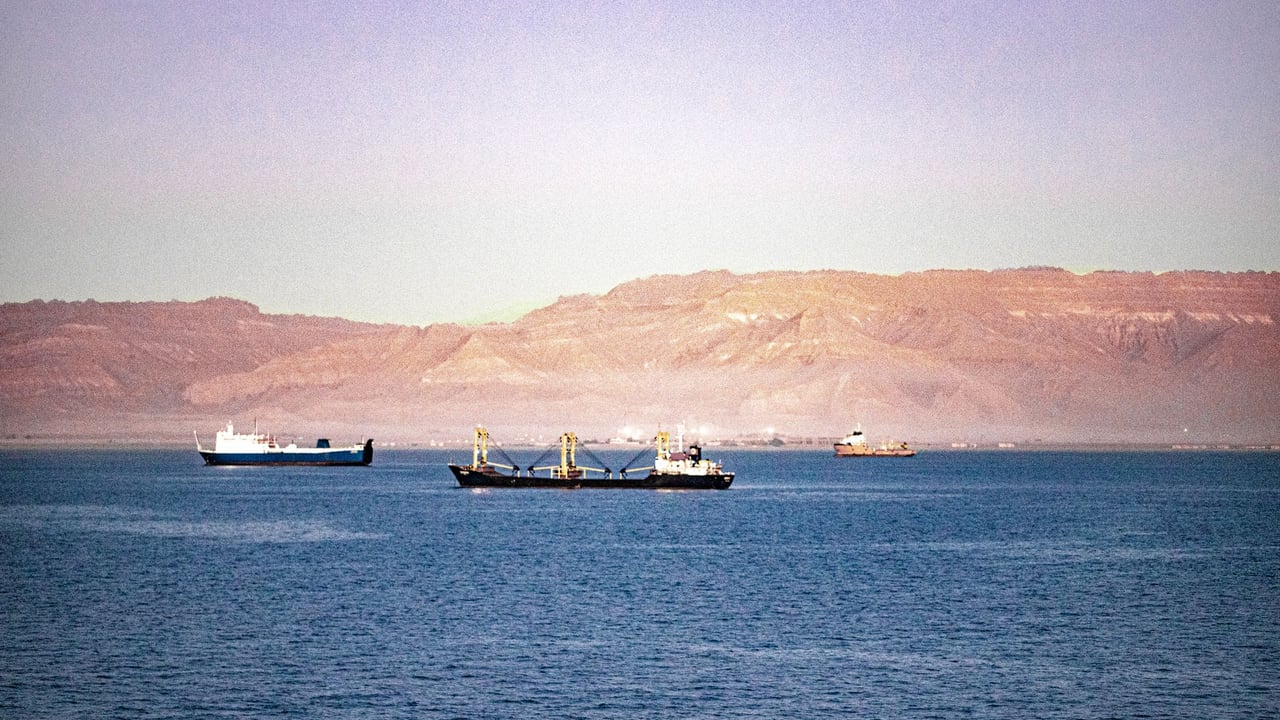

In a rare moment of public diplomacy, Donald Trump recently extended an olive branch to Beijing and Moscow, thanking them for their roles in facilitating a tentative de-escalation between Washington and Tehran. Most striking was his specific praise for China’s decision not to deploy a 40-ship carrier group to challenge the U.S. blockade of the Strait of Hormuz. While Trump framed this as a gesture of 'respect' or even submission to American naval dominance, the reality on the ground suggests a more calculated form of strategic patience by the People's Liberation Army Navy.
For months, the U.S. carrier strike groups have maintained a stranglehold on Iranian oil exports, attempting to sever the economic arteries of the Islamic Republic. Trump’s public acknowledgement that China did not 'run the gauntlet' to protect its tankers is being interpreted by Washington as a victory for its deterrence policy. However, the Chinese perspective reveals that Beijing is less interested in a high-seas showdown than it is in maintaining its position as Iran’s primary economic lifeline and a burgeoning power broker in the Middle East.
A direct military confrontation in the narrow confines of the Strait of Hormuz would have sent global oil prices into a catastrophic spiral, directly threatening China's own energy security and internal economic stability. Instead of a kinetic response, Beijing chose a path of 'diplomatic translation,' positioning itself as the only major power capable of communicating clearly with both the defiant leadership in Tehran and a transactional administration in Washington. This role allowed China to keep its oil orders on the books without firing a single shot.
The resulting 'truce' appears to be one of convenience rather than conviction. Facing the pressures of a domestic election cycle and stubborn inflation, the U.S. administration required a 'peacemaker' narrative to pacify a weary electorate. Simultaneously, Iran has reached a point of exhaustion under the weight of crushing sanctions, necessitating a tactical pause to avoid total internal collapse. Yet, this equilibrium is remarkably fragile, as evidenced by Israel’s blunt declaration that the agreement carries no weight in its own strategic calculus.
The ripple effects of this maritime standoff extend far beyond the Gulf. Energy-dependent nations across Asia, including Japan, South Korea, and India, are already bracing for a delayed economic shock as the costs of the prolonged conflict filter through global manufacturing and food supply chains. While the ships may not be clashing today, the underlying deficit of trust suggests that this agreement is less a lasting peace and more a temporary '休战纸' (armistice paper) that allows all parties to rearm for the next inevitable friction point.