
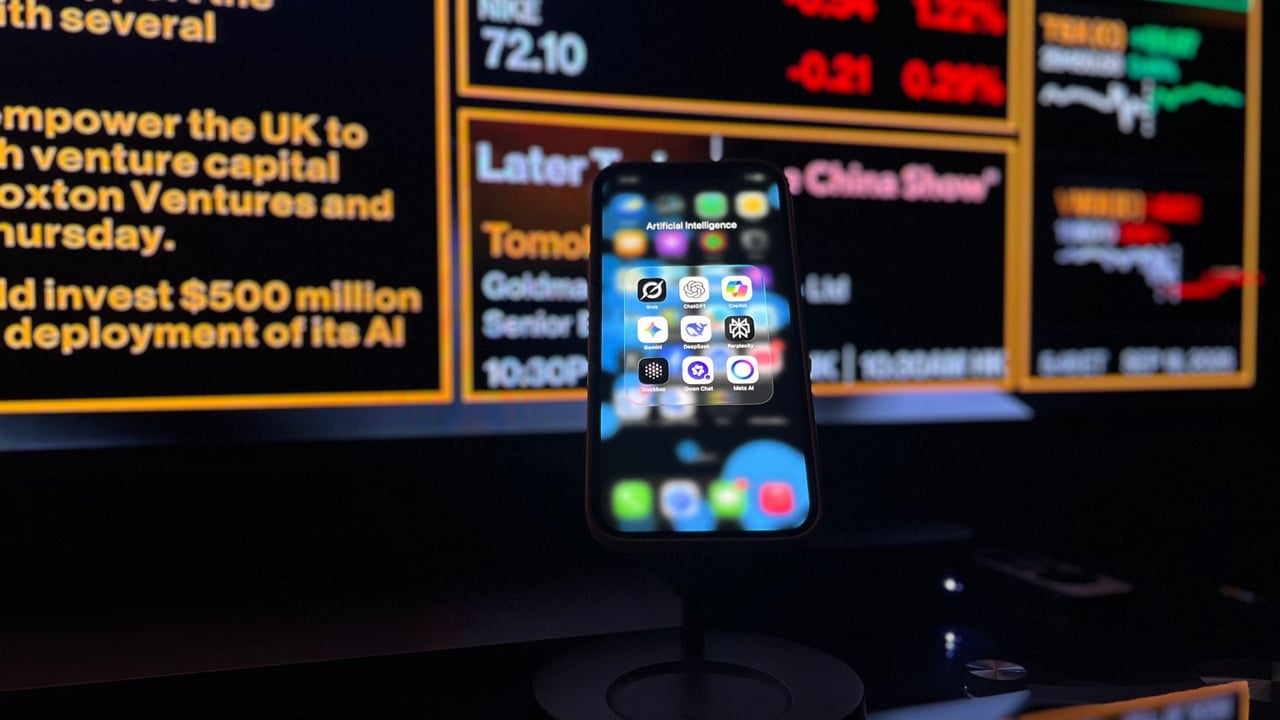

For years, Apple has mastered the art of the 'slow reveal,' letting competitors stumble through early product cycles before swooping in with a refined, industry-standard version. However, the generative AI boom has fundamentally altered the patience of Wall Street. Investors who once gave Cupertino the benefit of the doubt are now growing weary of blueprints and promises, demanding tangible breakthroughs that can drive the next major hardware 'super-cycle.'
The recent Global Developers Conference (WWDC) was intended to be Apple's definitive answer to the AI age, yet the reaction from the financial community has been decidedly tepid. While 'Apple Intelligence' was unveiled with much fanfare, the realization that the revamped Siri will only launch in a limited beta this autumn has dampened enthusiasm. This delay suggests that Apple is still in the experimental phase of a technology that rivals like Google and Microsoft have already integrated into their core ecosystems.
Financial metrics underscore this growing disconnect. Apple’s stock recently suffered its worst weekly decline since February, underperforming the tech-heavy Nasdaq 100 by a significant margin. Despite a brief rally in April, the company’s year-to-date gains of roughly 10% look modest compared to the nearly 20% surge seen in the broader sector. Analysts are particularly concerned that the current valuation—trading at over 33 times forward earnings—is built on the expectation of products that do not yet exist in a finished state.
There is also a mounting strategic concern regarding Apple’s dependency on its rivals. The revelation that Google’s Gemini technology will serve as a foundational pillar for Apple’s AI features has raised eyebrows. For a company that prides itself on vertical integration and controlling every aspect of the user experience, leaning so heavily on a primary competitor like Alphabet suggests a rare vulnerability in Apple’s internal R&D pipeline.
While Apple remains a cash-flow titan with a fortress-like balance sheet and aggressive share buyback programs, the 'AI cloud' hanging over the company is unlikely to dissipate soon. Bullish investors still point to the company’s massive installed base as a captive audience for future AI services. However, as the gap between Apple's marketing and its technical execution remains visible, the pressure on Tim Cook to deliver a 'must-have' AI iPhone has never been higher.