Beyond the Subsidy Myth: Beijing Defends the Roots of China’s Industrial Edge

China's National Development and Reform Commission has rejected international claims that government subsidies drive its industrial competitiveness. The agency argues that market scale, supply chain synergy, and long-term talent accumulation are the true sources of China's global market dominance.

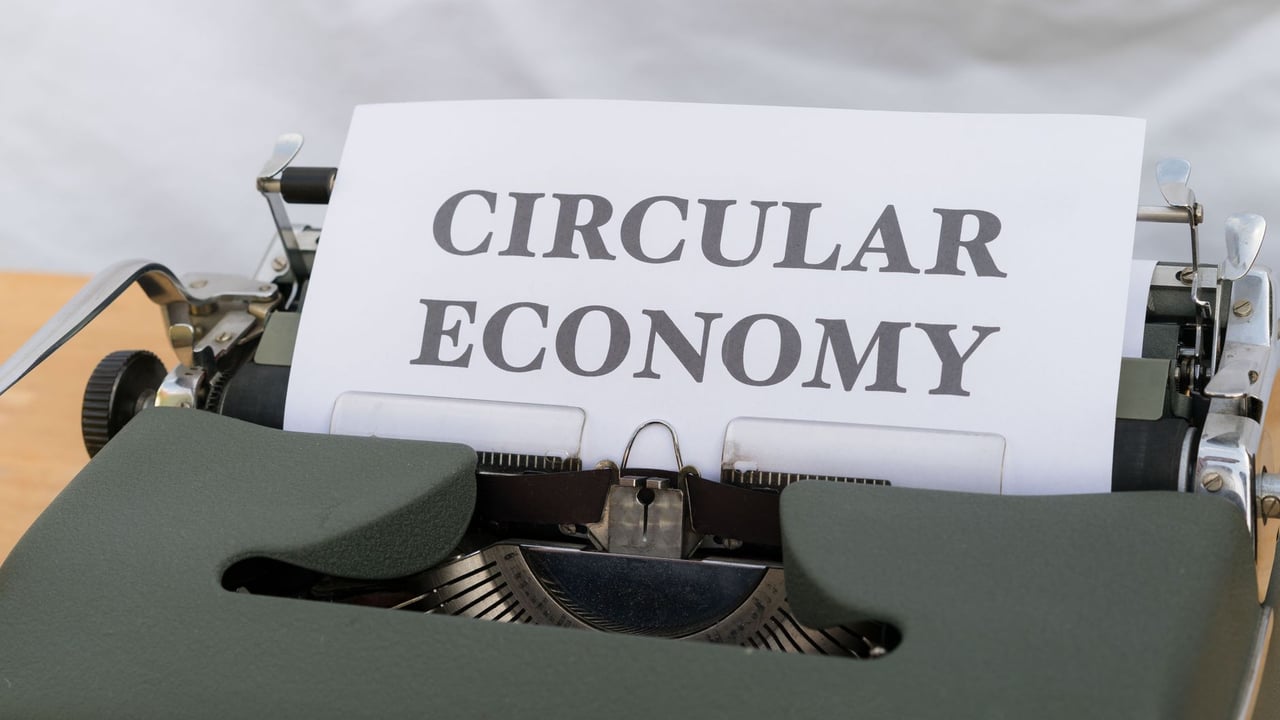
Vintage typewriter typing 'Circular Economy' document emphasizing sustainability.

Key Takeaways

  • 1The NDRC officially refuted international reports attributing Chinese market share growth to government subsidies.
  • 2Beijing identifies four pillars of competitiveness: market scale, supply chain efficiency, talent accumulation, and an optimized business environment.
  • 3The comments represent a strategic pushback against Western 'overcapacity' narratives used to justify trade barriers.
  • 4Official rhetoric is shifting focus toward the structural advantages of the 'China Model' rather than temporary state support.

Editor's
Desk

Strategic Analysis

Li Chao's remarks represent more than just a defensive posture; they are an ideological assertion of the legitimacy of China's economic model. By shifting the focus from subsidies to 'market tempering' and 'supply chain synergy,' Beijing is attempting to neutralize the legal and political basis for Western trade interventions, such as the EU’s anti-subsidy duties. This rhetoric suggests that China views its industrial advantages as hard-won structural achievements rather than policy distortions, implying that Beijing is unlikely to negotiate away its core industrial strategies in the face of international pressure. For global stakeholders, this signals a period of prolonged friction as China doubles down on its developmental path.

China Daily Brief Editorial
Strategic Insight
China Daily Brief

As trade tensions between Beijing and the West reach a fever pitch, China’s top economic planner is launching a vigorous defense of the nation’s industrial dominance. Speaking at a press conference on Tuesday, Li Chao, a spokesperson for the National Development and Reform Commission (NDRC), dismissed international claims that government subsidies are the primary engine behind China’s growing global market share.

The rebuttal follows a flurry of reports from international agencies suggesting that state-led financial support has unfairly tilted the playing field in critical sectors such as green energy and electric vehicles. Li characterized these assessments as not only "one-sided" but "entirely erroneous," signaling Beijing's refusal to concede ground in the intensifying global debate over industrial overcapacity.

Instead of state largesse, the NDRC attributes China’s competitive advantage to the "high-intensity tempering" of its massive domestic market. This vast scale allows firms to achieve rapid economies of scale and iterative technological improvements that are difficult to replicate in smaller or less integrated economies.

The official narrative also emphasizes the efficiency of a complete industrial ecosystem and long-term investments in education and human capital. By framing industrial success as a result of structural maturity rather than fiscal shortcuts, Beijing is positioning itself as a resilient manufacturing superpower that has earned its seat at the top of the global value chain through systemic optimization.

Share Article

Related Articles

📰
No related articles found