
# subsidies
Latest news and articles about subsidies
Total: 11 articles found
Washington Reboots Trade Warfare: New 301 Probes Target China and a Dozen Partners
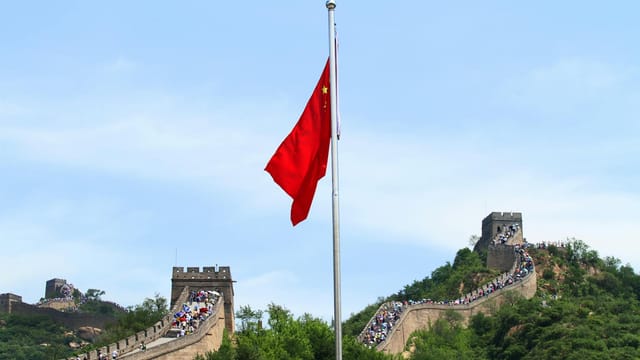
After a Supreme Court ruling curbed the president’s emergency tariff powers, the U.S. launched new investigations under Section 301 targeting China and a dozen other economies. The probes, focused on subsidies, excess capacity and labour practices, aim to restore a credible tariff threat but risk reigniting trade tensions and disrupting global supply chains.

China’s ‘Crayfish’ Craze: Open-source AI Agents Spark Cloud Arms Race, Subsidies and Security Alarms
OpenClaw — an open‑source agent middleware — has ignited mass adoption in China, prompting cloud giants to offer free installations to capture long‑term infrastructure revenue. Municipal subsidies and cheap domestic model pricing have accelerated deployment, even as regulators warn of major security and lock‑in risks. The episode underscores a strategic divergence between China’s rapid commercialisation of agents and more cautious approaches abroad.
JD’s Growth Windfall, Profit Hangover: How an Aggressive Push into Food Delivery Blew a Hole in 2025 Results
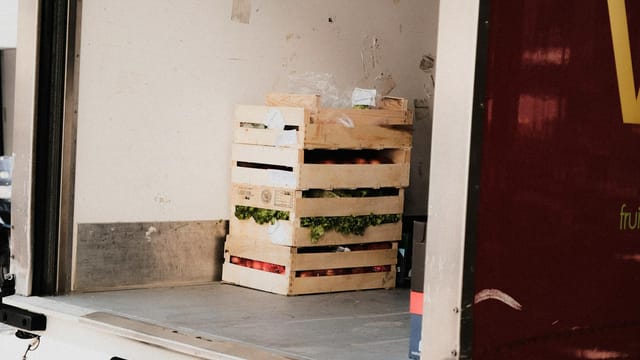
JD.com grew revenue to RMB1.3 trillion in 2025 but saw operating profit collapse as it spent heavily to build a food‑delivery and local‑services business. The new businesses posted RMB46.6 billion in losses for the year, driven by steep increases in marketing and fulfilment costs, even as core retail and JD Health showed pockets of resilience. Management says spending will ease if competition stabilises, but the company must prove it can convert strategic subsidiaries into independent, high‑quality profits to win back investor confidence.

JD’s ‘Hundred‑Billion Supermarket’ Gamble: Trying to Win China’s Daily Basket
JD has launched a “Hundred‑Billion Supermarket” channel and pledged over RMB20 billion in subsidies to drive roughly RMB200 billion in incremental sales, signalling a strategic push into high‑frequency grocery retail. The initiative intensifies a cross‑platform scramble—Pinduoduo, Alibaba and Meituan are pursuing similar moves—where logistics, supply‑chain scale and the ability to sustain subsidies will determine long‑term winners.

Beijing Pumps Rmb62.5bn into Spring Festival Stimulus, Turning Smart Gadgets Into This Year’s Must‑Buy
China has launched a Rmb62.5 billion Spring Festival subsidy program that prioritises trade‑ins for affordable smart devices, offering consumers 15% rebates up to Rmb500 on phones, tablets and wearables priced under Rmb6,000. The measures aim to stimulate near‑term spending while accelerating mass adoption of connected hardware, benefiting mid‑range manufacturers and related supply chains.
Chinese Cities Move to Curb ‘Involution’ in Food-Delivery Price Wars Ahead of Spring Festival
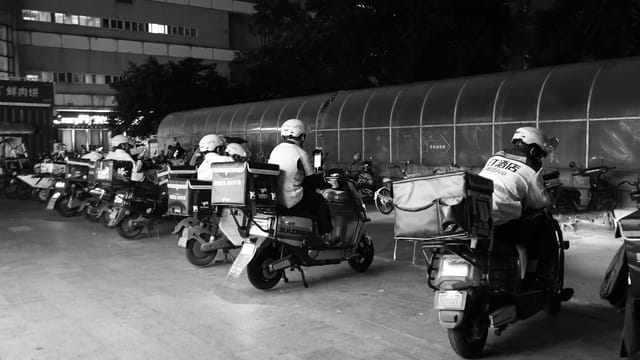
Several Chinese municipal market regulators have ordered food-delivery platforms to halt low-price, subsidy-driven “involution” ahead of the Spring Festival, banning predatory subsidies, ‘‘choose-one’’ exclusivity, data-based price discrimination and coercive promotional tactics. The measures aim to protect small merchants, restore market order during a high-demand period, and push platforms to shift from capital-driven growth to value creation.

Beijing Injects Rmb20.5bn into Lunar New Year Consumption Blitz — Prize-invoice lottery and loan subsidies aim to jump‑start spending
Beijing has deployed roughly Rmb20.5 billion in vouchers, subsidies and prizes over a nine‑day Lunar New Year period to spur household spending, backed by a larger Rmb625 billion trade‑in fund and a Rmb100 billion prize‑invoice pilot. The package combines fiscal transfers, retail supply measures and financial easing aimed at converting available goods and services into sales, but its long‑term effectiveness depends on household confidence and income growth.

AI's Bubble‑Tea Blitz: Alibaba's Qianwen Floods Shops with Millions of Low‑Cost Orders
Alibaba’s Qianwen used a RMB 3 billion subsidy campaign to drive an early wave of AI‑powered shopping, triggering more than 10 million orders in nine hours and overwhelming some bubble‑tea shops and couriers. The promotion succeeded at user acquisition but exposed technical glitches, uneven merchant economics and limits in AI recommendations when customers sought novelty.

Chongqing Offers Millions to Drive Industrial AI: Grants for Data, Vertical Models and ‘Intelligent Agents’
Chongqing has launched a targeted subsidy programme to accelerate AI adoption in manufacturing, offering up to RMB5 million per project with specific rewards for industrial datasets, trusted data spaces and vertical AI models. The measures align municipal incentives with Beijing's national push for industrial AI, prioritising domain-specific data and applications while raising governance and coordination questions.

Foshan’s Hydrogen-Bus Gamble: Subsidies Buy an Industry Cluster — Not Always Service on the Road
Foshan invested heavily in hydrogen fuel‑cell buses to foster a local hydrogen industry, buying roughly 1,000 vehicles and supporting refuelling infrastructure. High fuel costs, falling ridership and limited fiscal space have left many buses parked after they reach subsidy thresholds, exposing the gap between industrial demonstration and operating economics.
Pinduoduo Bulks Up Lunar New Year Push with Deep Subsidies and Supply‑Chain Boosts
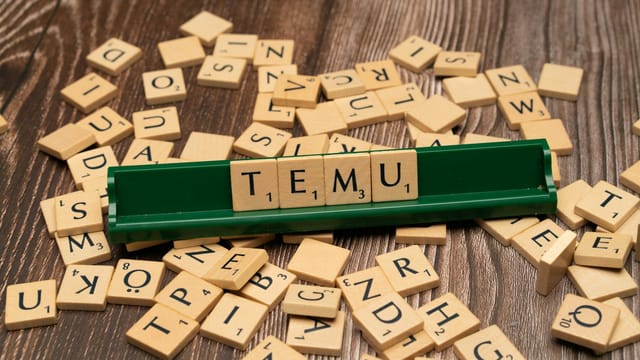
Pinduoduo has amplified its Lunar New Year campaign by upgrading a large subsidy programme and launching three major promotional tracks under its 百亿补贴 channel, combining deep price cuts, coupon and membership incentives, and targeted supply‑chain support. The move aims to spur festival spending, broaden market access for domestic and global fresh produce, and consolidate the platform’s reach into China’s counties and western regions.