
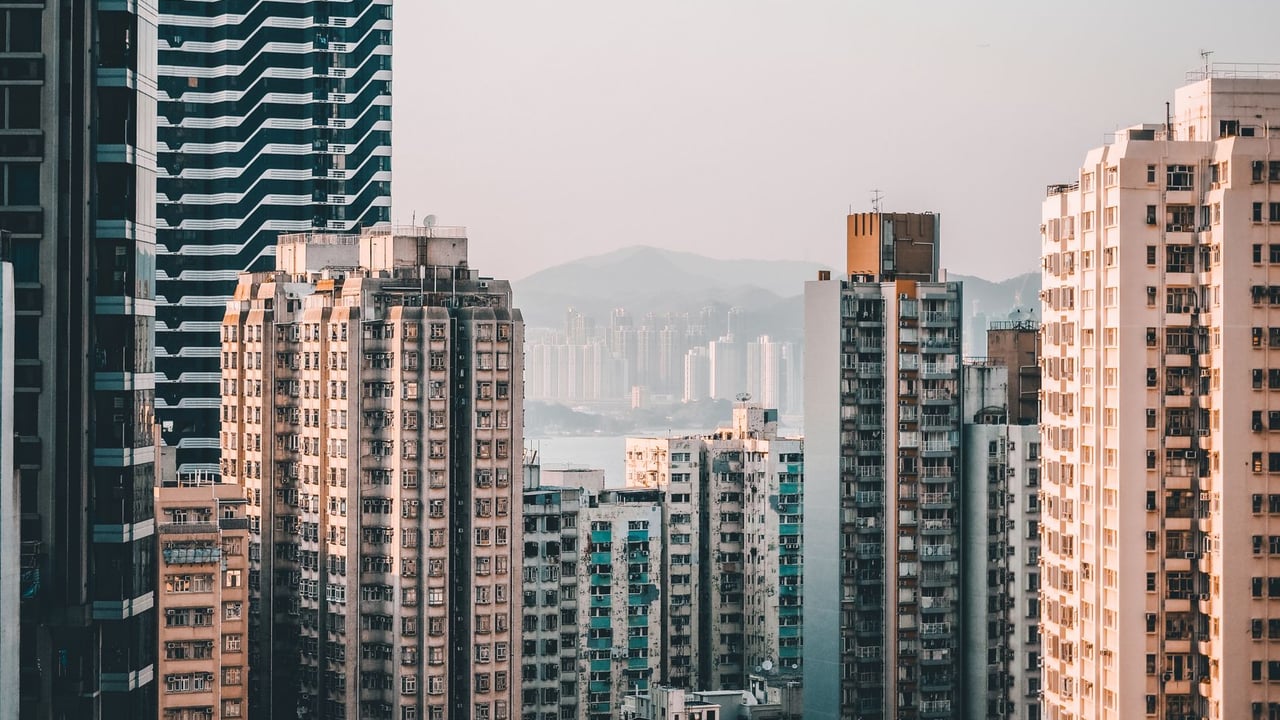

For Chinese municipal planners, the 10-million population mark represents a 'holy grail' of urban development. This threshold is not merely symbolic; it signifies a transition into the elite tier of 'Mega-cities,' a designation that unlocks substantial administrative powers and central government approvals for massive infrastructure projects like subways and airports.
Currently, five major regional hubs—Wenzhou, Foshan, Ningbo, Nanjing, and Jinan—are locked in a high-stakes race to cross this finish line by 2030. These cities have all formally integrated the 10-million target into their '15th Five-Year Plan' objectives, viewing population density as the primary engine for future economic resilience.
Wenzhou currently leads the pack, sitting at 9.9 million residents, but its growth narrative reveals a broader national challenge. Despite its proximity to the goal, the city is experiencing a negative natural growth rate, meaning its survival as a growing hub depends entirely on its ability to siphon labor from other regions through its vibrant private sector.
Further inland and along the coast, cities like Nanjing and Jinan are finding the path more arduous. While Jinan recently saw its highest population surge in five years, it remains nearly 400,000 residents short of its goal. To bridge this gap, these cities have pivoted from general population incentives to highly targeted 'talent wars,' offering aggressive perks to specialized industrial workers and 'innovative' youth.
This demographic competition is unfolding against a backdrop of national population decline, turning the race into a zero-sum game. As the pool of mobile youth shrinks, the success of these five cities will likely depend on their ability to offer not just jobs, but a superior 'urban service ecosystem' that can outcompete rival metropolitan clusters.