
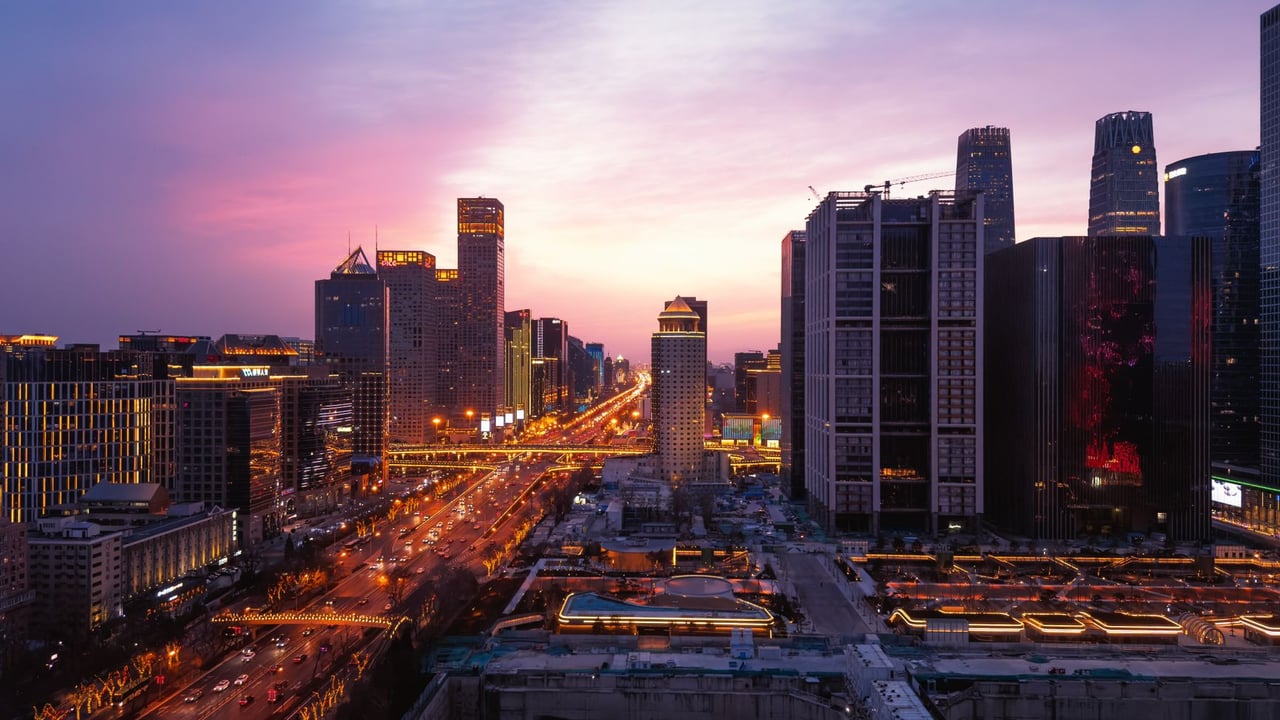

In a significant shift in how the Chinese capital manages its economic narrative, the inaugural 'Media-Assisted Business Development and Business Environment Forum' was recently held at the Beijing Radio and Television Station. This event, a core component of the 2026 Beijing CBD Forum, marks a strategic evolution in the role of state-affiliated media from mere policy mouthpieces to active stakeholders in urban economic revitalization. By convening a mix of municipal regulators, private sector heavyweights, and academic voices, the forum signals a new push to bridge the gap between government planning and market execution.
The core of this new strategy revolves around the concept of 'Media Empowerment,' particularly in the integration of culture, commerce, tourism, and sports. For years, Beijing has struggled with the 'one-hit wonder' phenomenon of internet-famous spots and the homogenization of retail spaces. The forum explicitly addressed these pain points, proposing a 'media solution' that goes beyond advertising. Instead, it positions media organizations as the connective tissue between government designers and corporate 'experience officers,' aiming to transform abstract policy dividends into tangible market vitality.
A central pillar of the discussion was the transition to 'partner-style' services, a hallmark of Beijing’s latest round of business environment reforms. Rather than simply announcing new regulations, the media is being tasked with fostering social consensus and providing a feedback loop for the private sector. Representatives from major entities like the Wangfujing Group and the Beijing International Film Festival emphasized that media platforms are now being used to build 'credit-based' ecosystems, where storytelling serves to elevate corporate reputation into a durable city brand.
This shift reflects a broader national trend in China where local governments are seeking more sophisticated ways to stimulate consumption and attract investment amidst a complex economic recovery. By positioning the media as a 'co-builder' of the business environment, Beijing is attempting to create a more resilient, AI-driven communication ecology. This model aims to harmonize central, municipal, and new media platforms to ensure that government services are not just available, but are 'partner-aligned' with the actual needs of the business community.