
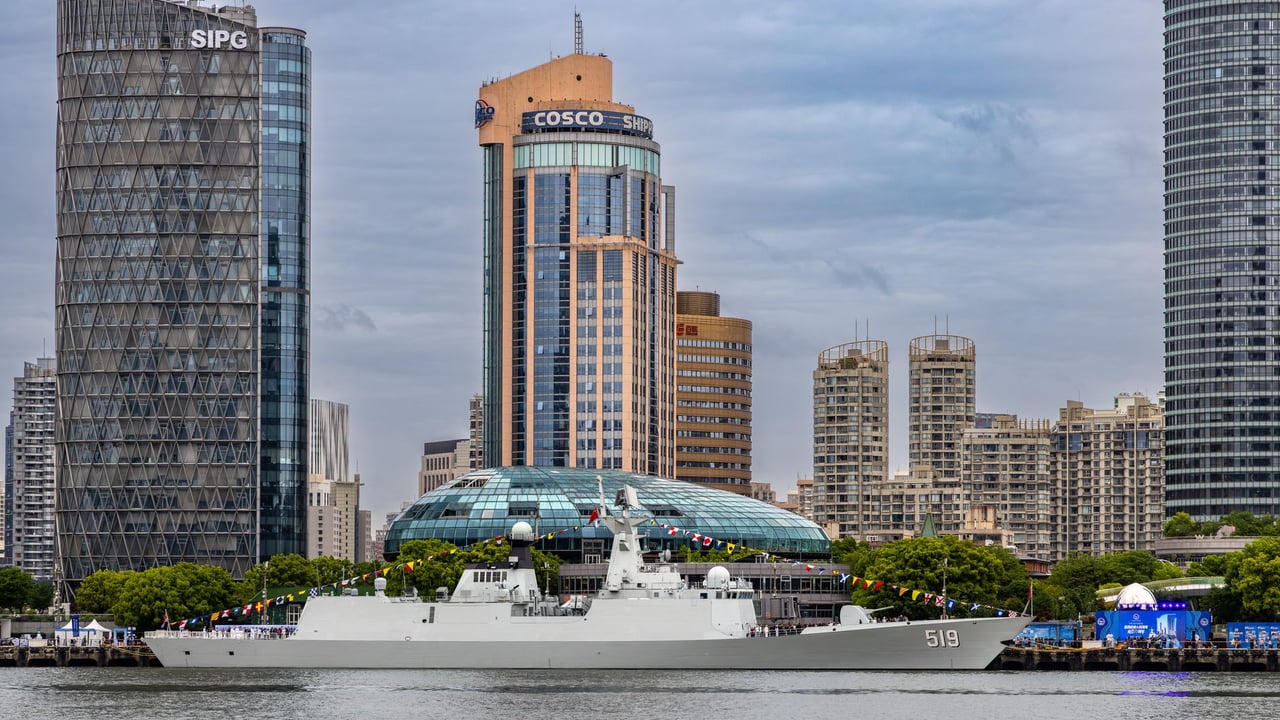

A recent high-stakes encounter in contested waters has highlighted the People’s Liberation Army Navy’s (PLAN) increasing willingness to engage in direct kinetic posturing. Reports from state-aligned media outlets describe a scene of intense maritime friction where a Chinese vessel moved beyond standard shadowing procedures. In a dramatic escalation of rhetoric, the account focuses on a veteran gunner whose finger remained poised over the firing trigger as a foreign warship approached.
This incident serves as a stark illustration of the ‘active defense’ doctrine that now defines China’s maritime security strategy. Rather than merely observing or issuing verbal warnings, Chinese crews are being instructed to demonstrate lethal readiness as a deterrent. The transition from diplomatic protest to physical ammunition loading suggests a narrowing window for de-escalation during unplanned encounters at sea.
Domestic messaging surrounding the event emphasizes the heroism and psychological resilience of the PLAN sailors. By focusing on the ‘bravery’ of the crew in the face of what Beijing terms ‘arrogant provocations,’ the state is preparing the domestic public for the possibility of more friction. These narratives bolster nationalist sentiment and signal to international observers that the era of passive observation has ended.
For the global community, the risk of miscalculation in these ‘gray-zone’ operations is reaching a critical threshold. As both China and its rivals increase the frequency of their presence in these corridors, the margin for error shrinks. What is framed as a show of strength for a domestic audience may be interpreted as a precursor to conflict by foreign naval commanders, potentially turning a routine patrol into a regional crisis.