Brinkmanship at Sea: The PLA’s 'Finger-on-the-Trigger' Posture in Contested Waters

Recent reports of high-tension naval encounters highlight a shift toward more assertive maritime posturing by Beijing. The incident, characterized by PLA crews moving to immediate combat readiness, underscores the growing risk of miscalculation in contested waters as China seeks to deter international naval operations through tactical brinkmanship.

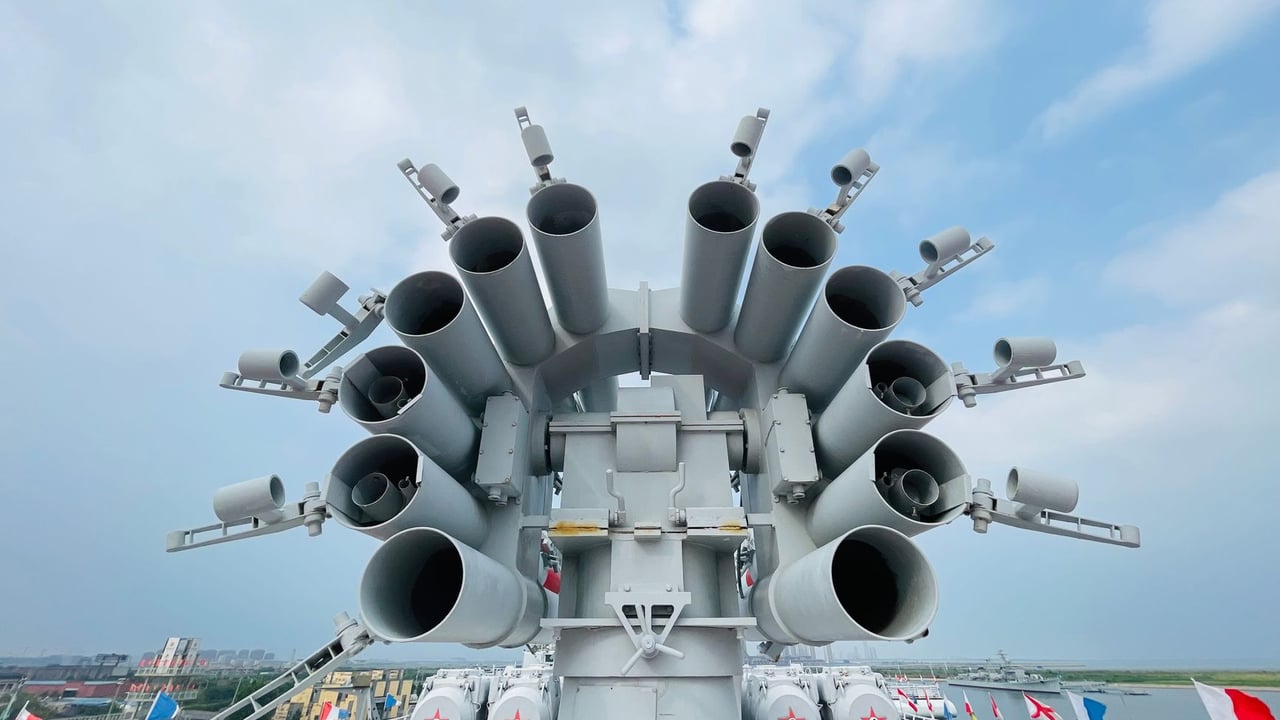
Close-up of naval artillery on a warship at Tianjin Harbour, China, showcasing military might.

Key Takeaways

  • 1The PLA Navy is adopting a more aggressive tactical posture during encounters with foreign vessels in contested waters.
  • 2State-aligned media are highlighting 'finger-on-the-trigger' readiness to signal resolve to both domestic and international audiences.
  • 3The incident reflects a shift from passive shadowing to active, high-readiness posturing in 'gray zone' operations.
  • 4Veteran personnel are being portrayed as the frontline of China's maritime sovereignty defense.
  • 5The increasing frequency of close-quarters confrontations heightens the risk of accidental kinetic escalation between major powers.

Editor's
Desk

Strategic Analysis

This development represents a calculated escalation in Beijing's maritime strategy, moving beyond diplomatic protests toward tactical intimidation. By publicizing the readiness of its gunners to engage, the PLA is attempting to establish a 'new normal' where foreign operations in the South China Sea or Taiwan Strait are met with immediate, high-risk friction. This 'brinkmanship' serves as a deterrent intended to make the cost of 'freedom of navigation' operations prohibitively high. However, the reliance on frontline 'veteran' discretion—the finger on the button—introduces a volatile human element into an already combustible geopolitical environment, where a single tactical misjudgment could trigger a strategic crisis that neither side is fully prepared to manage.

China Daily Brief Editorial
Strategic Insight
China Daily Brief

The maritime boundaries of the Western Pacific are increasingly defined by a high-stakes game of chicken, where the People’s Liberation Army (PLA) is demonstrating an unprecedented level of tactical assertiveness. Recent reports from Beijing-aligned media outlets have highlighted a tense encounter between a PLA naval vessel and an unspecified foreign warship, framing the incident as a direct rebuff of external 'arrogance.' This narrative shift signals that China is no longer content with mere shadowing but is prepared to demonstrate immediate combat readiness.

During this specific confrontation, the PLA crew reportedly moved to a high-alert status, with veteran gunners at the main battery positions keeping their fingers literally poised over the firing triggers. This level of readiness is being socialized within China as a symbol of military discipline and national resolve. By emphasizing the 'hardness' of their response, Beijing is signaling to international navies that the operational environment in contested waters has fundamentally changed.

This incident is a microcosm of China’s broader 'gray zone' strategy, which uses military and paramilitary pressure to assert sovereignty without crossing the threshold into open conflict. The domestic promotion of such stories serves to bolster nationalist sentiment while simultaneously warning foreign powers that the PLA is prepared for kinetic engagement if pushed. The psychological component of these interactions is now as significant as the technical capabilities of the ships involved.

As the PLA Navy continues its expansion and modernization, the margin for error in these close-quarters encounters is narrowing. The emphasis on veteran personnel being ready to fire at a moment's notice suggests a decentralized confidence that could, however, lead to unintended escalation. As both China and its rivals increase their presence in these strategic waterways, the frequency of such 'finger-on-the-trigger' scenarios is likely to rise, testing the established protocols for unplanned encounters at sea.

Share Article

Related Articles

📰
No related articles found