
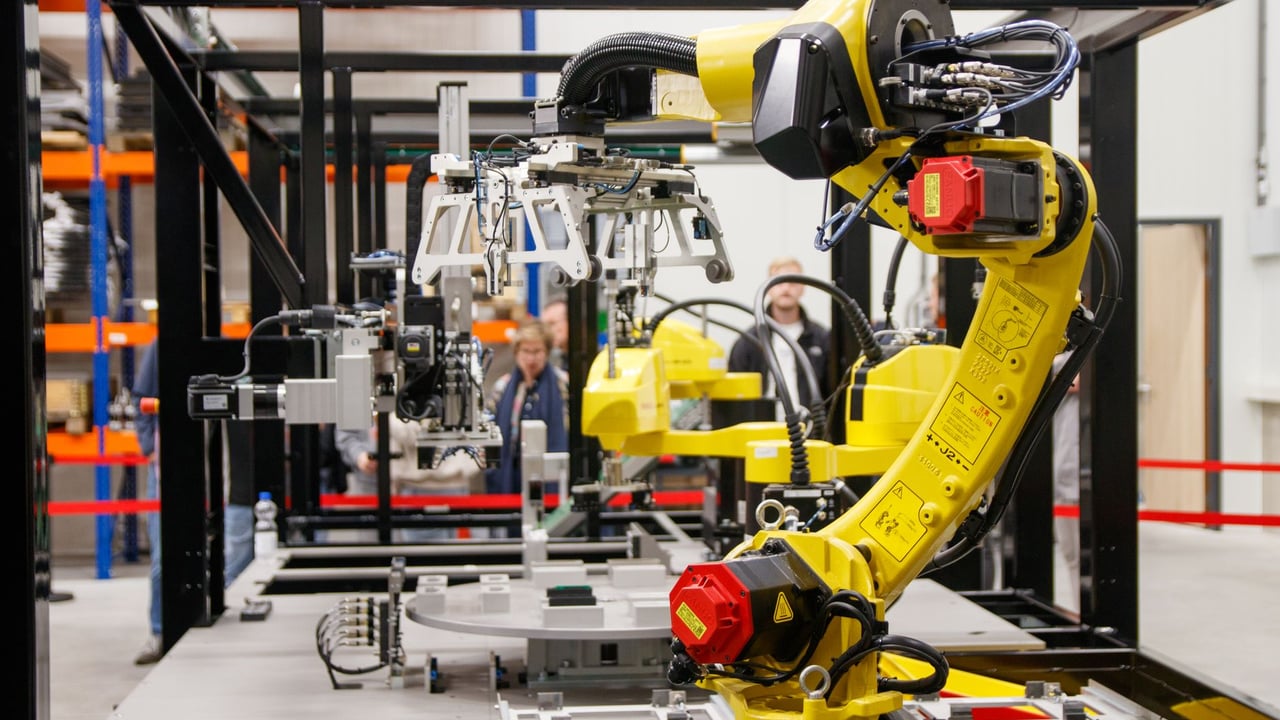

In the sprawling industrial zones of Tianjin, a shift is occurring that signals a broader transformation within the global automation landscape. For decades, the high-speed parallel robot—the 'Formula One' of industrial machinery—was a domain exclusively controlled by European and Japanese giants like ABB and Fanuc. Today, local firms like AtomRobot are mounting a serious challenge to this established hierarchy, positioning themselves as critical players in the next phase of smart manufacturing.
Parallel robots, often referred to as Delta robots, are the linchpins of modern high-speed production lines. Their unique structure allows them to perform precise sorting, picking, and assembly tasks at speeds that far exceed traditional robotic arms. Until recently, Chinese manufacturers were forced to pay a premium for these machines, as foreign intellectual property and proprietary controllers created a high barrier to entry for domestic alternatives.
The rise of AtomRobot is part of a deliberate, state-encouraged push for 'technological self-reliance.' By developing indigenous control systems and mechanical designs, these companies are not merely replicating foreign tech but are tailoring it to the hyper-specific needs of the Chinese market. This includes high-demand sectors such as lithium battery production, food packaging, and consumer electronics, where speed and cost-efficiency are the primary drivers of competitiveness.
This shift is also a symptom of a larger geopolitical trend where supply chain resilience has become a national priority. As international trade tensions continue to simmer, Chinese enterprises are increasingly wary of over-dependence on foreign components. The successful domestic adoption of these high-speed robots suggests that the 'chokehold' once held by international incumbents is beginning to loosen, paving the way for a more competitive and fragmented global robotics market.