

President Donald Trump has signaled a dramatic pivot in Middle Eastern diplomacy, announcing a preliminary Memorandum of Understanding between Washington and Tehran. Speaking from Joint Base Andrews, the President set a strict 60-day countdown for both nations to finalize a comprehensive long-term agreement to replace years of escalating tensions.
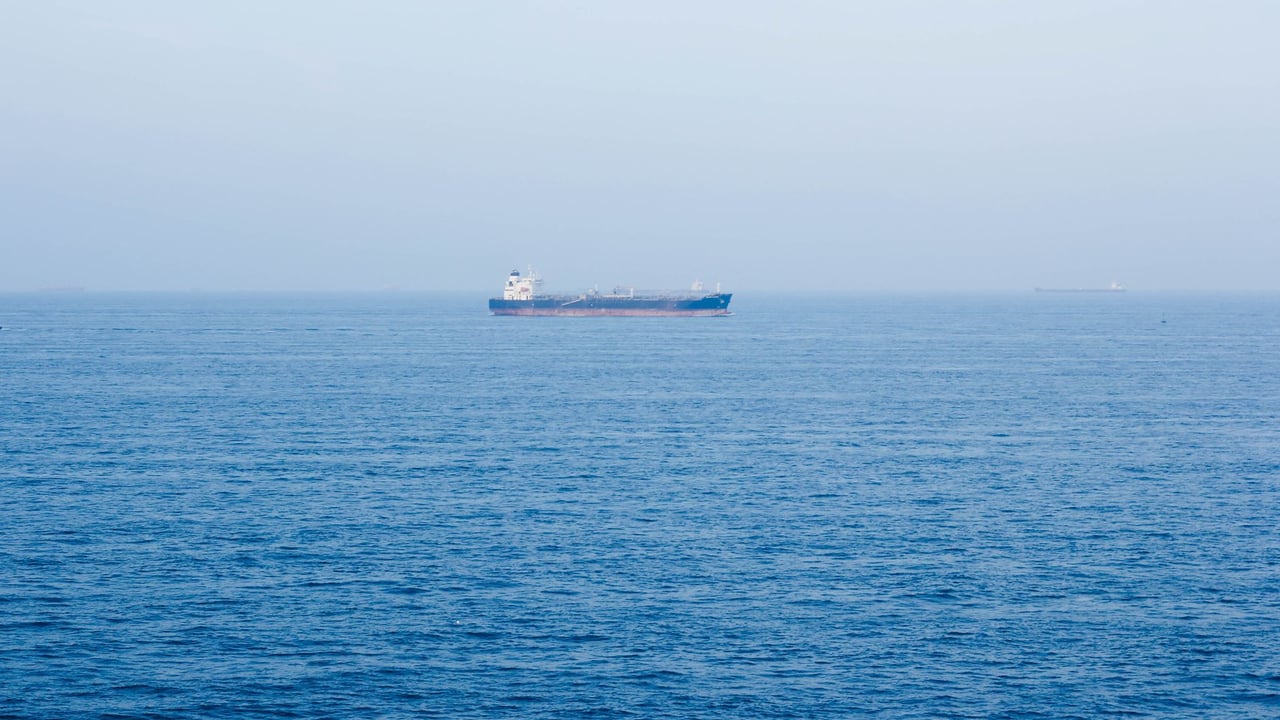
While the specific terms of the memorandum remain opaque, the immediate relief in the Strait of Hormuz suggests a significant de-escalation of maritime friction. Trump noted that approximately 700 vessels are currently transiting the vital waterway once again, a move that could stabilize global energy markets and ease the threat of a wider naval conflict.
This deadline-driven diplomacy carries the hallmark of the administration’s transactional foreign policy, blending high-stakes ultimatums with a stated preference for avoiding direct military engagement. The threat of "unpleasant" consequences serves as a blunt instrument to keep Tehran at the negotiating table, even as the President expressed optimism that such measures will not be necessary.
Regional dynamics, particularly the security of Israel, continue to weigh heavily on these fast-moving negotiations. By reaffirming strong ties with Jerusalem alongside this diplomatic outreach, the White House seeks to reassure its primary regional ally that any "grand bargain" with Iran will not compromise Israeli strategic or security interests.