
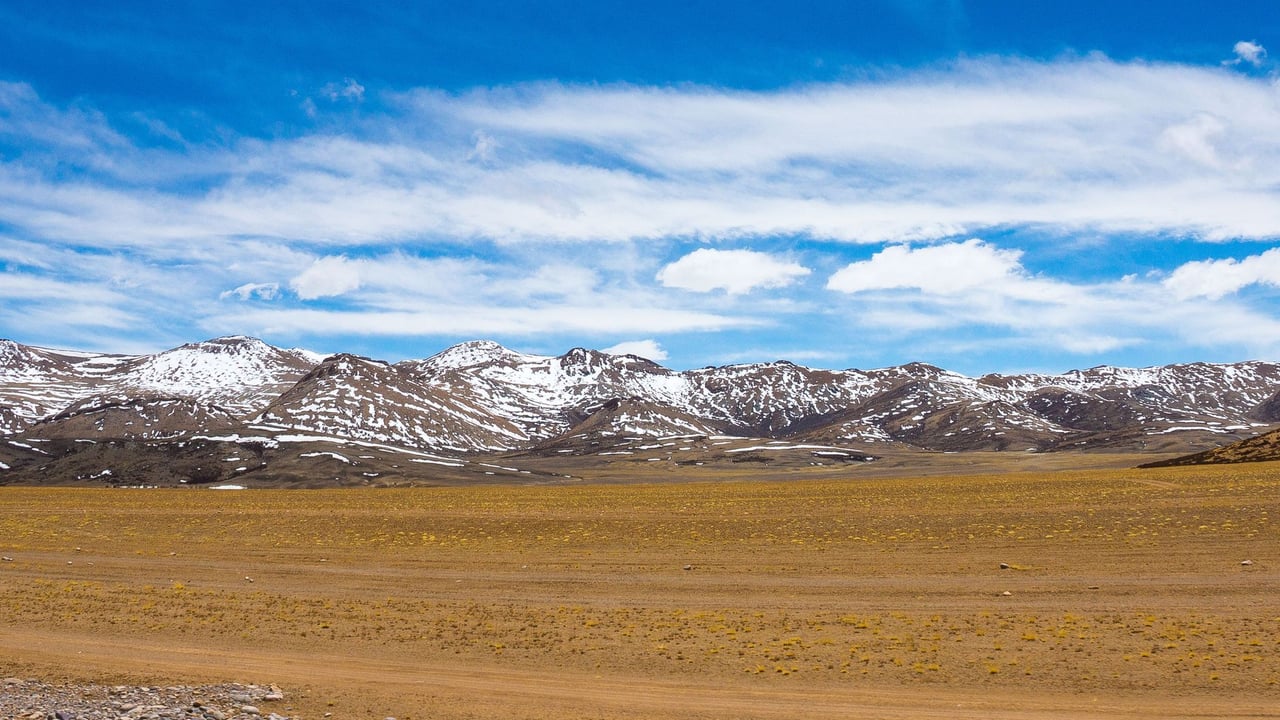

On the afternoon of June 20, the Chinese Archaeological Museum in Beijing hosted a landmark lecture that underscores the nation’s increasing investment in public-facing historical narratives. Dr. Chen Fahu, a distinguished geographer and academician of the Chinese Academy of Sciences, presented a detailed study on prehistoric human adaptation to the Tibetan Plateau. His lecture, titled “Exploration, Adaptation, and Settlement of Prehistoric Humans on the Qinghai-Tibet Plateau,” marks the first time a scientist of his rank has engaged in direct public outreach at this specific institution.
The event is a pillar of the “Tracing the Origins of Chinese Civilization” project, a state-backed initiative designed to utilize scientific evidence to map the emergence of the Chinese state. Chen’s research bridges the gap between environmental science and history, detailing the transition from nomadic hunter-gatherers to the establishment of permanent high-altitude civilizations. By focusing on the 'Third Pole,' the research highlights how ancient populations survived some of the most inhospitable environments on earth, framing this endurance as a foundational characteristic of the broader Chinese lineage.
Established in late 2023, the Chinese Archaeological Museum is currently the nation’s only professional museum of archaeology at the state level. It serves as a repository for the Chinese Academy of Social Sciences, transforming academic data into a curated public experience. This shift toward direct public engagement by high-level academicians suggests a strategic effort to bolster 'cultural confidence' through the lens of rigorous scientific discovery.
The lecture also highlights the importance of the Tibetan Plateau as a critical site for global paleoanthropology. Understanding how early humans adapted to low-oxygen environments provides essential data not only for Chinese history but for the broader story of human evolution. By bringing this high-level science to the public, the museum aims to foster a more sophisticated understanding of how diverse geographical landscapes shaped the early development of Chinese civilization.