
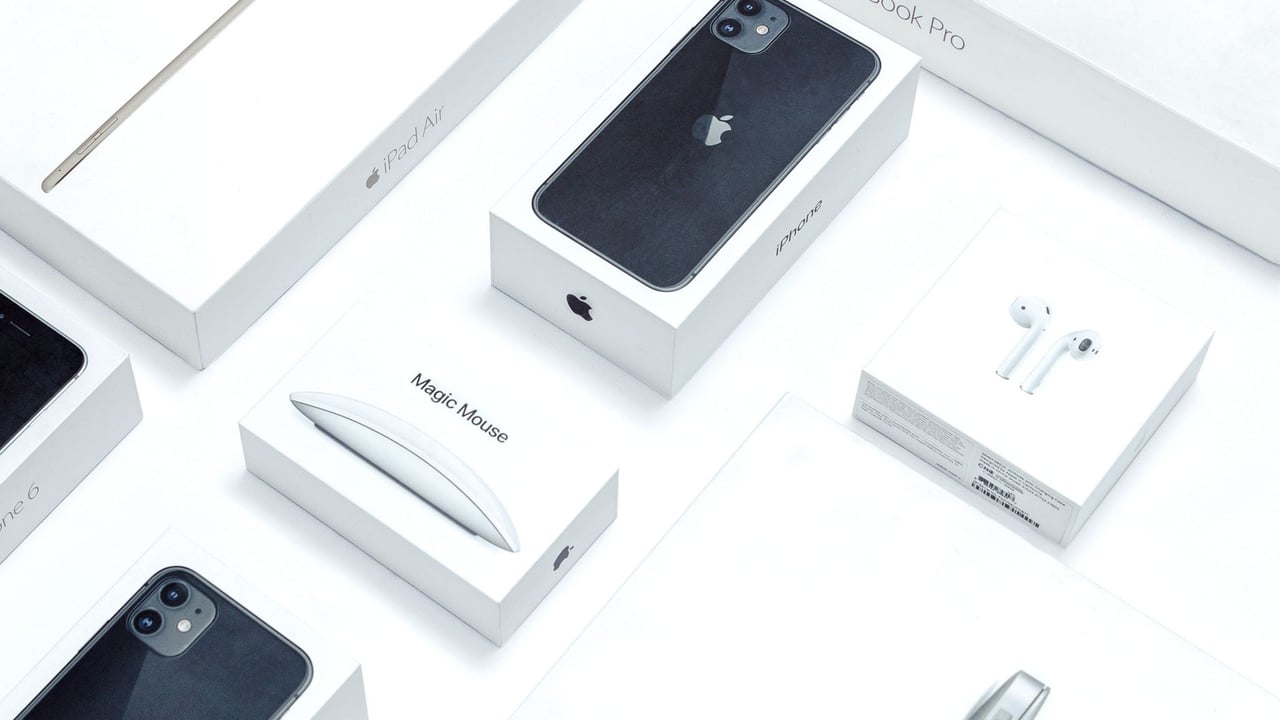

Supply chain signals indicate Apple is finally nearing the debut of its first foldable iPhone, with reports suggesting small-batch production has already commenced. This transition marks a critical juncture for the Cupertino giant as it seeks to enter a form-factor market currently dominated by Samsung and Huawei. Sources within the Chinese supply chain suggest a 2026 autumn release remains the internal target, countering previous rumors of a delay into early 2027.
The timing of Apple’s entry into the foldable space is significant, coming at a moment when the broader tech sector is navigating a massive shift toward AI-optimized infrastructure. Beyond consumer handsets, China’s industrial tech landscape is being reshaped by the demands of Artificial Intelligence Data Centers (AIDC). As server power requirements skyrocket, traditional power supply architectures are being replaced by high-voltage direct current systems, creating a strategic opening for domestic Chinese manufacturers to lead in specialized testing equipment and power modules.
However, these technological leaps are occurring against a backdrop of intensifying economic pressure. The consumer electronics market is currently witnessing a significant price surge, with some high-performance laptops and gaming PCs seeing price hikes of over 20% since the start of the year. Manufacturers are increasingly prioritizing profit margins over volume, passing on the rising costs of core components like memory and display panels directly to the consumer.
This convergence of foldable innovation, AI infrastructure expansion, and rising hardware costs suggests a market in transition. While Apple aims to leverage its brand ecosystem to redefine the foldable category, the underlying supply chain is pivoting toward the 'AI gold rush.' For global investors, the focus is shifting from simple device sales to the specialized components and energy-efficient systems that will power the next decade of compute.