

At the 17th Annual Meeting of the New Champions, popularly known as Summer Davos, the conversation in the tech corridors has shifted from the theoretical potential of artificial intelligence to its physical manifestation. Zhu Qiuguo, the founder and CEO of DEEP Robotics, a rising star in the Hangzhou tech cluster, argues that China’s dominance in the robotics sector is not merely a product of software prowess but a direct result of the nation’s unparalleled industrial ecosystem. This integrated supply chain allows Chinese firms to iterate hardware designs at a pace that leaves international competitors struggling to keep up.
While Silicon Valley often leads in foundational large language models, Zhu emphasizes that the 'embodied AI' revolution requires a different kind of fuel: physical data from diverse, real-world application scenarios. China’s vast manufacturing and logistical landscape provides a massive testing ground for robots to move beyond controlled laboratory settings. By deploying machines in standardized industrial environments, companies can collect the high-fidelity data necessary to refine the 'brains' of their autonomous systems through constant trial and error.
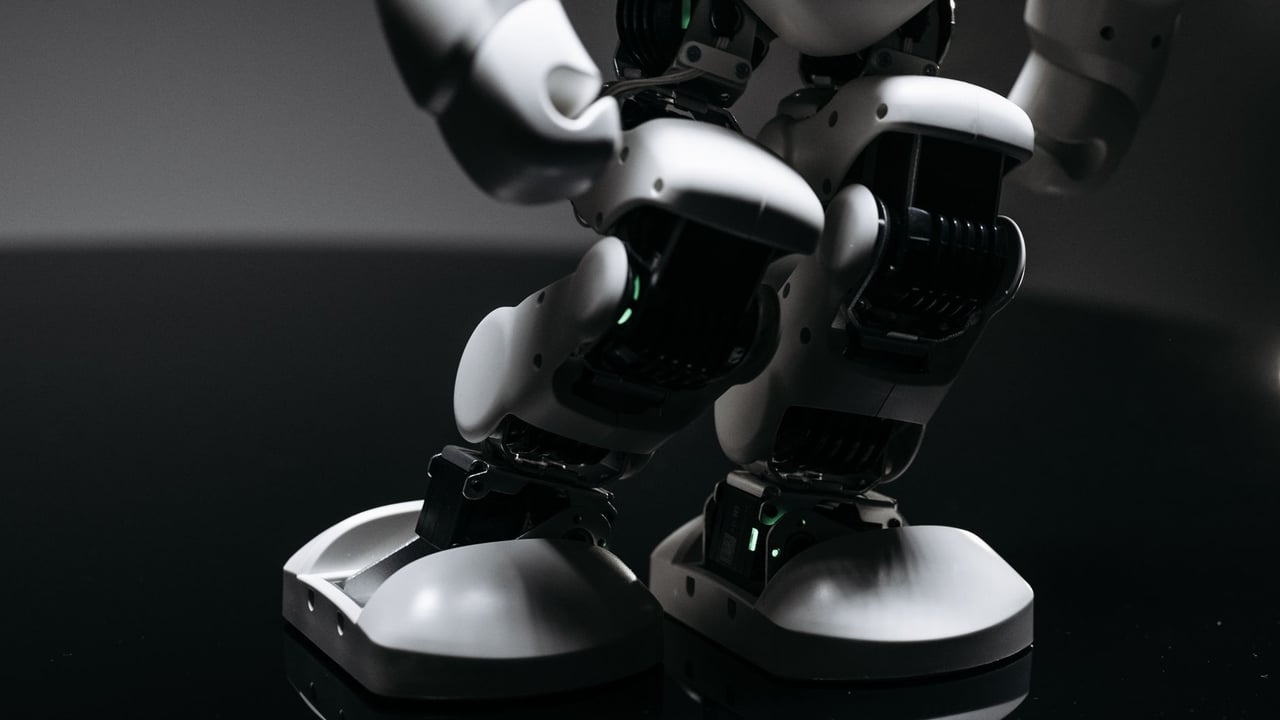
The transition from humanoid robots that can perform choreographed dances to those that can execute complex industrial tasks remains the industry’s 'last mile' challenge. Zhu points out that the underlying technology for both entertainment and utility is often the same; the difference lies in the strategic focus on reliability and stability. For a robot to be truly useful in high-stakes industrial settings, it must solve fundamental mechanical issues, such as maintaining balance on uneven surfaces and ensuring high-precision interaction through advanced end-effectors, or robotic hands.
Safety and governance are also taking center stage as AI Agents begin to control physical hardware. Zhu notes that while global concerns regarding the safety boundaries of AI are valid, the immediate hurdles are often more grounded in mechanical stability and cybersecurity. Preventing a multi-hundred-pound robot from falling and damaging expensive equipment or ensuring its system cannot be compromised by external actors is as critical as the ethical alignment of its decision-making algorithms. As the industry matures, the focus is increasingly on making robots feel the world as humans do, starting with more sensitive and flexible robotic extremities.