Hardware Advantage: Xiaomi Climbs AI Rankings as Tencent’s Lead Falters

Xiaomi's MiMo-V2.5 model has secured the second-place spot in global AI token calls, while Tencent's Hy3 preview has slipped out of the top three. The shift highlights a trend where integrated hardware ecosystems are becoming primary drivers for AI adoption and token consumption.

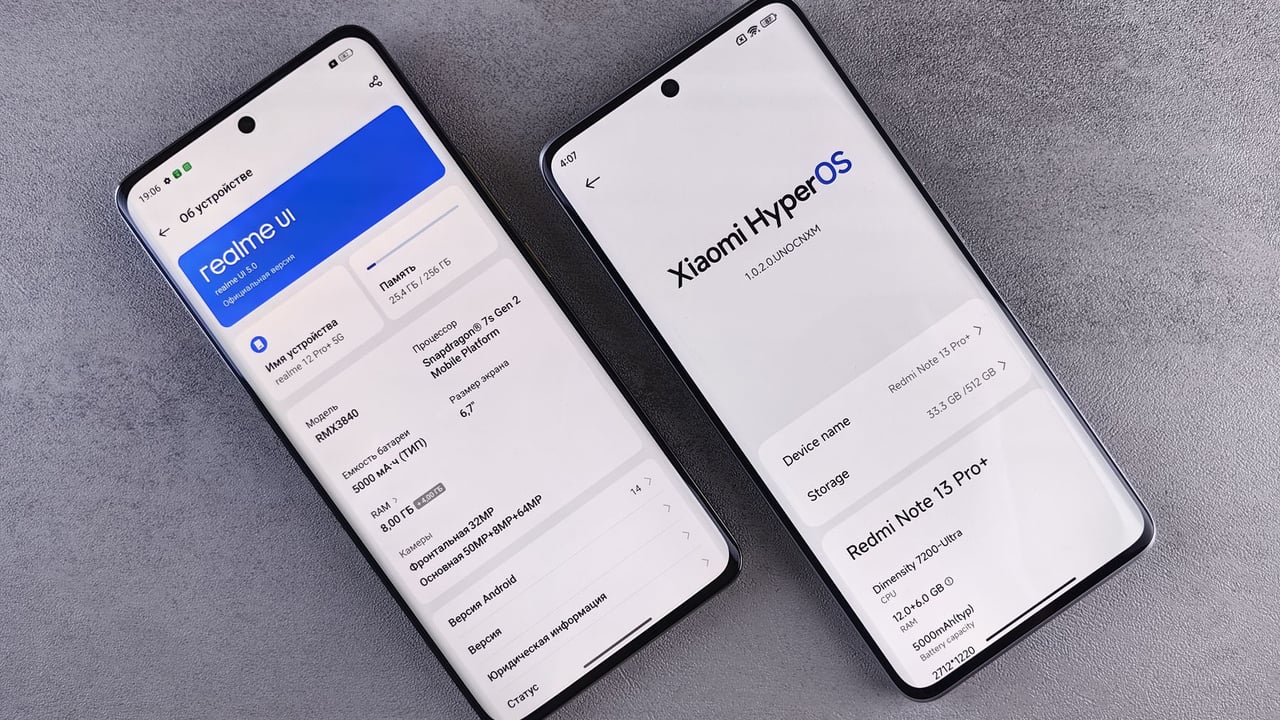
Comparison of two smartphones showing Realme UI and Xiaomi HyperOS interfaces on their screens.

Key Takeaways

  • 1Xiaomi's MiMo-V2.5 model rose to second place globally in weekly token call volume.
  • 2Tencent's Hy3 preview fell out of the top three for the first time in two months.
  • 3ByteDance reported a tenfold increase in token calls, maintaining its aggressive lead in the Chinese market.
  • 4Industry leaders are increasingly viewing 'tokens' as essential revenue-generating assets rather than mere technical metrics.
  • 5The competitive focus is shifting toward 'Context Wars' and the integration of AI into long-term memory architectures.

Editor's
Desk

Strategic Analysis

Xiaomi's ascent in the token rankings represents a significant strategic victory for the 'Human x Car x Home' ecosystem. By embedding its AI models into a physical product line that spans from smartphones to the newly launched YU7 GT electric vehicle, Xiaomi has created a frictionless path for user engagement that pure-play software firms like Tencent struggle to replicate. Tencent's decline suggests that having a dominant social media platform is no longer a guarantee of AI supremacy; users and developers are gravitating toward models that offer immediate utility within their daily hardware interactions. This 'Hardware-AI Flywheel' suggests that the next phase of the AI race in China will be won by those who control the 'edge' devices, as these provide the most consistent and high-volume data streams for model refinement and monetization.

China Daily Brief Editorial
Strategic Insight
China Daily Brief

The global landscape for generative artificial intelligence is witnessing a dramatic shift in usage patterns, as indicated by the latest weekly rankings of AI large model token calls. Xiaomi has emerged as a formidable contender, with its MiMo-V2.5 model ascending to the second-place position globally. This surge highlights the success of the smartphone giant's strategy to integrate sophisticated AI directly into its sprawling ecosystem of consumer electronics and electric vehicles.

Conversely, Tencent’s Hy3 preview has experienced a notable setback, falling out of the top three for the first time in two months. This dip suggests a cooling of momentum for the social media and gaming titan, which has traditionally relied on its massive user base to drive adoption. The volatility in these rankings underscores the intense competitive pressure in the Chinese market, where developers are locked in a 'war of context' and pricing to secure developer loyalty.

ByteDance continues to dominate the discourse with its Doubao and Seedance models, reporting a staggering tenfold increase in token call volume. The company's aggressive pursuit of the 'three-fold trilemma'—balancing compute power, pricing, and commercialization—has set a high bar for its peers. The growth of ByteDance indicates that low-cost, high-volume token strategies are currently the primary driver of market share in the mainland's AI sector.

The significance of these rankings is amplified by the industry's evolving view of tokens as more than just units of processing. Leaders such as Nvidia’s Jensen Huang have recently characterized tokens as digital assets and fundamental revenue units. As companies like Xiaomi successfully turn their hardware install base into a continuous stream of token consumption, the traditional distinction between hardware manufacturers and software service providers continues to blur.

Share Article

Related Articles

📰
No related articles found