Beyond the Glitter: Why China’s Gold Fever is Cooling Amid a Historic Price Correction

Chinese gold jewelry prices have plummeted by over 460 RMB per gram within a year, marking a 27% correction from historical highs. This shift has turned consumer sentiment from a buying frenzy into a cautious 'wait-and-see' approach as international banks slash their price forecasts.

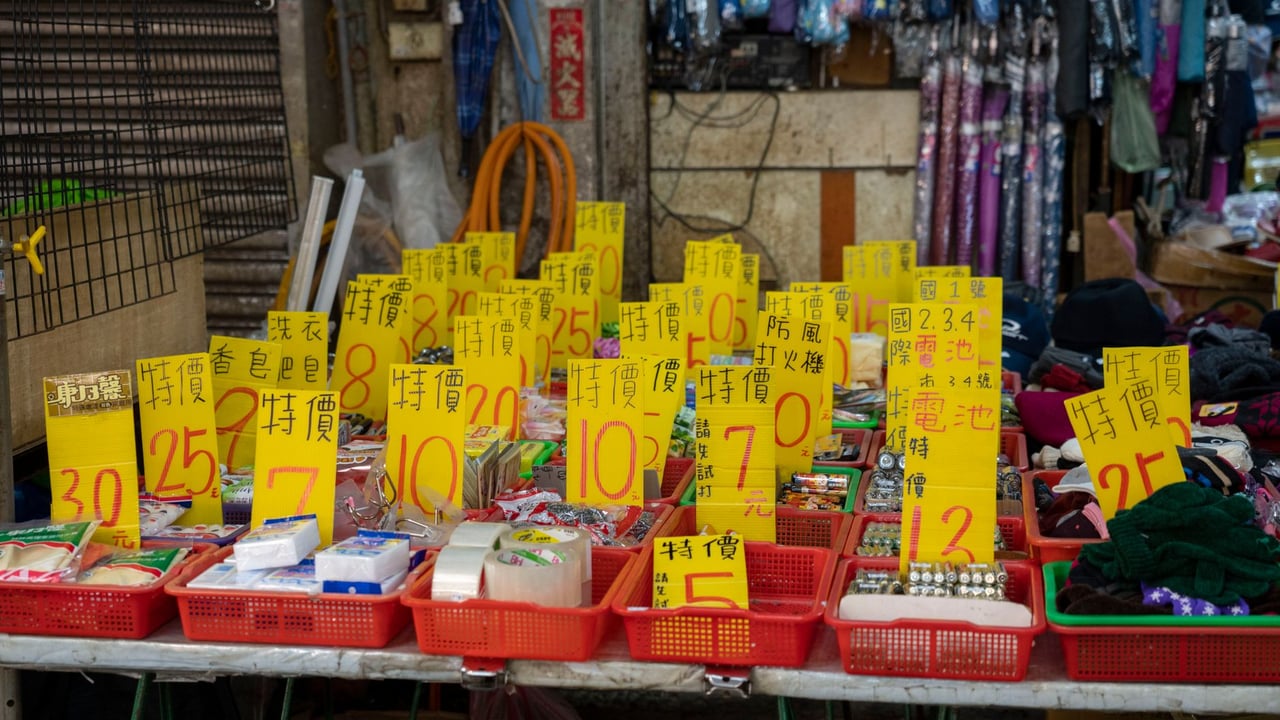
Explore a lively market stall displaying a range of goods with bold sales tags.

Key Takeaways

  • 1Domestic gold jewelry prices have fallen from a peak of 1,700 RMB/g to approximately 1,240 RMB/g in mid-2026.
  • 2Spot gold has officially entered a bear market phase, dropping 30% from its historic highs to fall below $4,000/oz.
  • 3Major retailers like Chow Tai Fook and Chow Sang Sang have implemented multiple rounds of price cuts to stimulate flagging demand.
  • 4Consumer psychology has shifted from FOMO (fear of missing out) to extreme caution, with many waiting for a definitive price floor.
  • 5Institutional support is weakening as eight major global banks have officially downgraded their gold price targets.

Editor's
Desk

Strategic Analysis

The current gold price 'flash crash' in China is a sobering reminder of the volatility inherent in even the most traditional safe-haven assets. For the past two years, gold served as a rare bright spot in China’s domestic investment landscape, outperforming both real estate and the local equity markets. However, the current correction suggests that the 'gold bubble' was fueled as much by retail panic as by economic fundamentals. The fact that consumers are becoming more cautious as prices fall indicates that gold is no longer being treated as a cultural necessity, but as a speculative financial product. Moving forward, the jewelry industry faces a double-edged sword: lower prices may eventually revive volume, but the loss of gold's 'perpetual growth' myth could permanently damage its appeal to the younger generation of 'gold accumulators' who sought it for capital preservation.

China Daily Brief Editorial
Strategic Insight
China Daily Brief

For much of the past year, the sight of consumers queuing at gold counters across mainland China was a testament to the metal’s status as the ultimate safe haven. However, the narrative has shifted abruptly as domestic gold jewelry prices experienced a staggering decline, falling by more than 460 RMB per gram from their yearly peaks. Major retailers, including Chow Tai Fook and Lukfook, have been forced to slash their listed prices, bringing terminal retail rates back to levels not seen since late 2025.

This price retreat follows a period of unprecedented volatility where spot gold broke the psychological $4,000 per ounce barrier, and domestic jewelry prices briefly surpassed 1,700 RMB per gram. The current correction, which sees prices down over 27% from their highs, has sent a chill through the retail sector. While lower prices typically stimulate demand, the current trend reflects a classic psychological trap: as the 'safe haven' loses its luster, consumers are increasingly wary of catching a falling knife.

The downturn is not merely a domestic phenomenon but a reflection of broader shifts in global capital markets. At least eight major international investment banks have recently lowered their gold price outlooks, citing a stabilization in global geopolitical tensions and a rotation of capital into other asset classes. In China, this has led to a noticeable 'wait-and-see' attitude among the middle class, who had previously viewed gold as a primary hedge against currency fluctuations and property market stagnation.

Despite the cooling sentiment, some segments of the market remain resilient. Wedding-related orders and traditional ceremonial purchases have seen a slight uptick as the affordability of gold improves for necessary consumption. However, the speculative 'gold hoarding' trend that dominated social media among Gen-Z investors earlier in the year has largely evaporated, replaced by a cautious reassessment of gold’s long-term value proposition in a shifting economic landscape.

Share Article

Related Articles

📰
No related articles found