
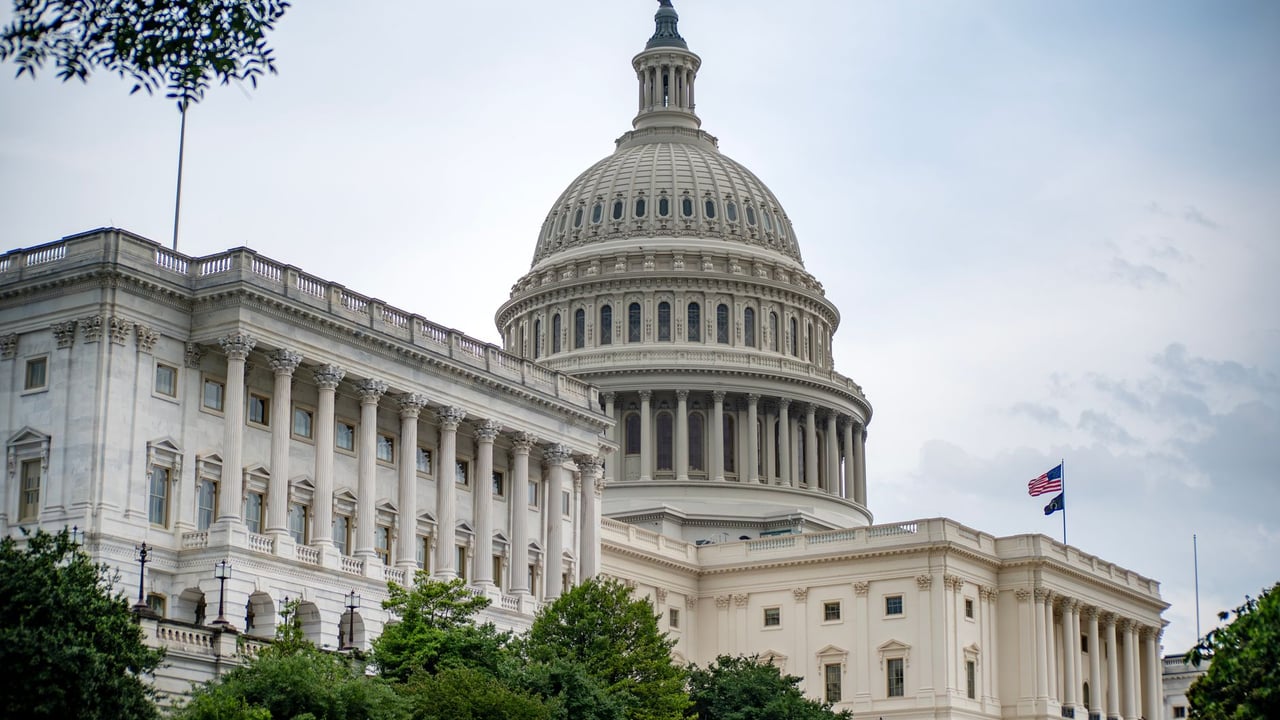

The United States Senate has narrowly passed a resolution aimed at curtailing the executive branch’s authority to wage war against Iran, marking a rare moment of bipartisan concern over the reach of the presidency. With a 50-48 vote, the upper chamber aligned with the House of Representatives to demand that any military escalation against Tehran be contingent upon a formal declaration of war or specific legislative authorization. This move signals a growing fatigue within the American political establishment regarding unilateral military engagements in the Middle East.
Despite the political theater, the resolution is fundamentally a paper tiger. Because it was passed as a concurrent resolution, it lacks the legal mechanism to compel a change in White House policy. It does not require the President’s signature, nor does it carry the force of law, leaving the commander-in-chief’s vast war powers largely intact. The legislative maneuver serves more as a diplomatic signal to the world than a functional check on the Pentagon's capabilities.
The debate highlights a deepening rift in Washington over the interpretation of the 1973 War Powers Act. Proponents of the resolution argue that Congress has ceded too much constitutional authority to the executive, particularly in an era where drone strikes and cyber warfare blur the lines of traditional conflict. Critics, however, maintain that such restrictions hamper the commander-in-chief’s ability to respond to immediate threats in a volatile region.
As the geopolitical landscape between Washington and Tehran remains fraught with tension, this vote underscores the domestic pressure facing the administration. While the President remains the primary architect of foreign policy, the legislative branch is increasingly eager to reassert its role as a gatekeeper for national security decisions. For now, however, the executive’s hand remains on the lever of military force, constrained only by the political cost of its deployment.