
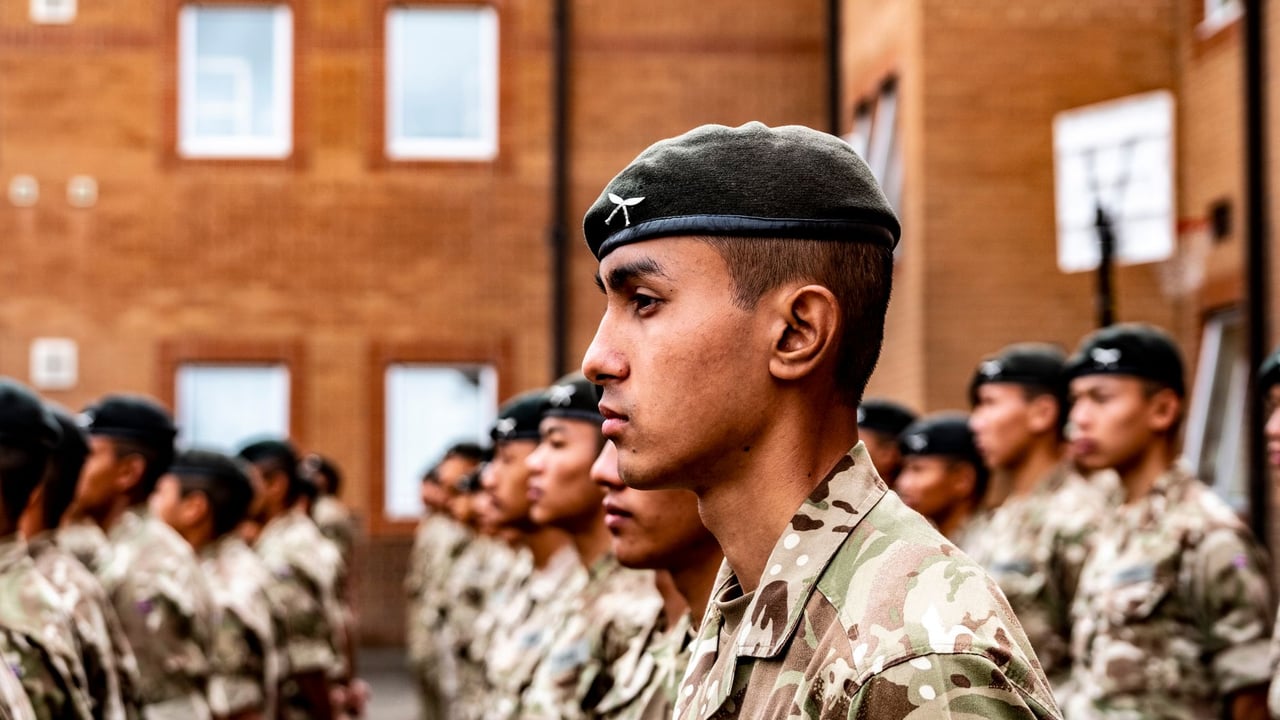

As the dust settles on China’s grueling Gaokao national college entrance exams, the People’s Liberation Army (PLA) has launched a sophisticated media offensive to capture the hearts and minds of the country’s top graduates. Moving far beyond traditional banners and static recruitment posters, the military is deploying a high-production mix of reality television, interactive livestreams, and viral short videos. Programs like the third season of "I’m Coming, Military Academy" are designed to swap stiff propaganda for immersive storytelling, following students as they experience life at elite defense institutions.
This year’s campaign marks a strategic pivot toward what Chinese media experts call "new media consumption habits." Instead of studio-bound interviews, cameras now follow "military fans" into the laboratories of the National University of Defense Technology and onto the decks of naval training ships. This shift reflects a broader recognition within the PLA that recruiting for a modernized, "intelligentized" force requires a softer, more lifestyle-oriented approach to appeal to Gen Z’s desire for personal realization and high-tech adventure.
The content is heavily curated to emphasize the technological sophistication of the modern PLA. Prospective cadets are shown engaging with electronic countermeasures, drone swarms, and satellite simulation software, answering the questions of a generation raised on science fiction. By showcasing "hardcore" technology like 3D-printed rockets and wargaming simulations, the military is positioning itself as a premier destination for STEM talent, directly competing with the private tech sector for the nation’s brightest minds.
Central to this strategy is the "Hello! Cadet" livestream series, which has garnered over 13 million views across platforms like the China Military app and People’s Daily. These sessions move away from one-way preaching toward a "you ask, I answer" model, where admissions officers and current cadets address everything from physical fitness standards to post-graduation career paths in real-time. This level of transparency is intended to demystify the military life, transforming it from a distant, rigid institution into an attainable and prestigious career path.
The success of these efforts is measured not just in views, but in the shifting aspirations of Chinese youth. Media reports highlight students from specialized defense-prep backgrounds who see their personal futures as inextricably linked to the "Strong Military Dream." By blending patriotic duty with the allure of elite technological training, the PLA is attempting to ensure that its next generation of commanders is as comfortable with a keyboard and a sensor array as they are with traditional military discipline.