

China’s high-growth ChiNext Index surged 2.84% on Tuesday, closing a session marked by extreme volatility and a stark divergence between elite tech heavyweights and the broader market. Despite the headline gains, the reality for the average investor was significantly bleaker, with over 4,200 individual stocks across the mainland bourses ending the day in the red. This 'index-only' rally suggests that capital is becoming increasingly concentrated in a handful of strategically significant sectors.
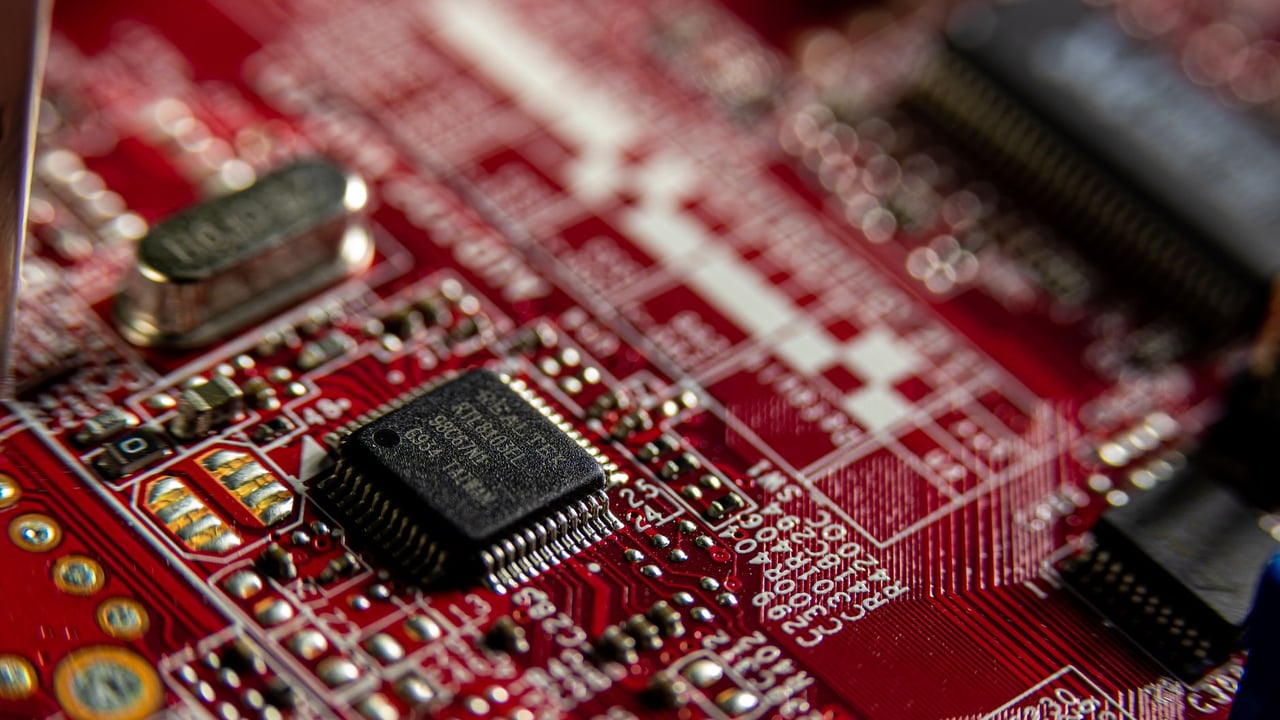
Trading volume reached a staggering 3.59 trillion yuan, an increase of 310 billion yuan over the previous session, indicating a massive rotation of liquidity. This surge in turnover was primarily funneled into the semiconductor and advanced manufacturing ecosystems. The storage chip sector, in particular, saw a dramatic breakout, with firms like Beijing Junzheng reaching 20% upper-limit gains as domestic replacement for Western silicon remains a top-tier national priority.
Advanced packaging and CPO (Co-Packaged Optics) concepts also saw significant traction, with industry leaders like JCET hitting historic highs. These sectors are the primary beneficiaries of Beijing's 'New Quality Productive Forces' initiative, which aims to insulate China’s tech supply chain from geopolitical pressures. While these high-tech pillars rallied, the broader market suffered as traditional sectors and retail-heavy small-caps were abandoned in favor of these policy-protected giants.
Financial institutions provided a secondary floor for the markets, with the 'Big Finance' sector oscillating as a stabilizer. Meanwhile, the commodity-linked equities, particularly precious metals like gold and silver, faced a sharp correction as purple-chip tech took center stage. The result is a market that looks healthy on a scoreboard level but feels remarkably fragile for the thousands of companies left behind in the liquidity surge.