
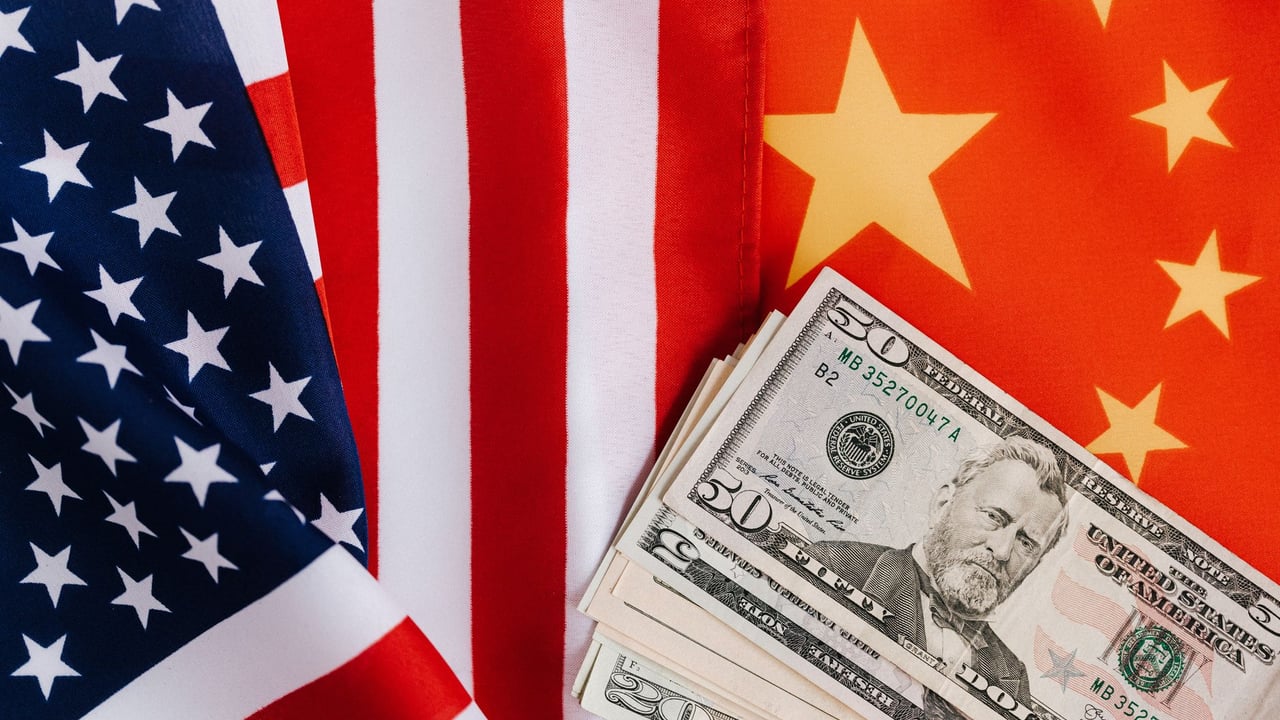

Beijing has significantly escalated its retaliatory measures against American defense and technology interests, announcing new sanctions on dozens of U.S. entities in a move that signals a hardening of its "reciprocity doctrine." The Ministry of Commerce (MOFCOM) and the Ministry of Finance have coordinated a dual-pronged response to what they describe as Washington's "malicious" designation of Chinese firms as military-linked.
During a press conference on June 25, MOFCOM spokesperson He Yadong detailed the blacklisting of 10 U.S. entities, including Avioux, which are now barred from receiving Chinese dual-use exports. These export controls are intended to prevent the transfer of technology and materials that China deems vital to its own national security, mirroring the justification often used by the United States for its own Entity List restrictions.
In a parallel move, the Ministry of Finance has prohibited 46 American companies from participating in Chinese government procurement processes. This measure effectively locks these firms out of a massive state-driven market, signaling that Beijing is increasingly willing to weaponize its domestic market access to counter U.S. regulatory pressures. The move highlights a shift from passive protest to active economic deterrence.
This escalation serves as a direct counter-punch to the U.S. Department of Defense's "Section 1260H" list of Chinese Military Companies (CMC). For years, Beijing has decried these U.S. designations as arbitrary attempts to suppress Chinese technological champions. By implementing its own mirror-image sanctions, China is attempting to create a symmetric leverage point in ongoing trade and security negotiations.
The timing of these sanctions is particularly delicate, occurring against the backdrop of potential high-level diplomatic engagements intended to manage the bilateral relationship. MOFCOM officials urged the United States to "meet China halfway" and stop what they characterize as the abuse of national security concepts. However, these latest actions suggest that the path toward strategic stability remains fraught with tit-for-tat economic warfare.