
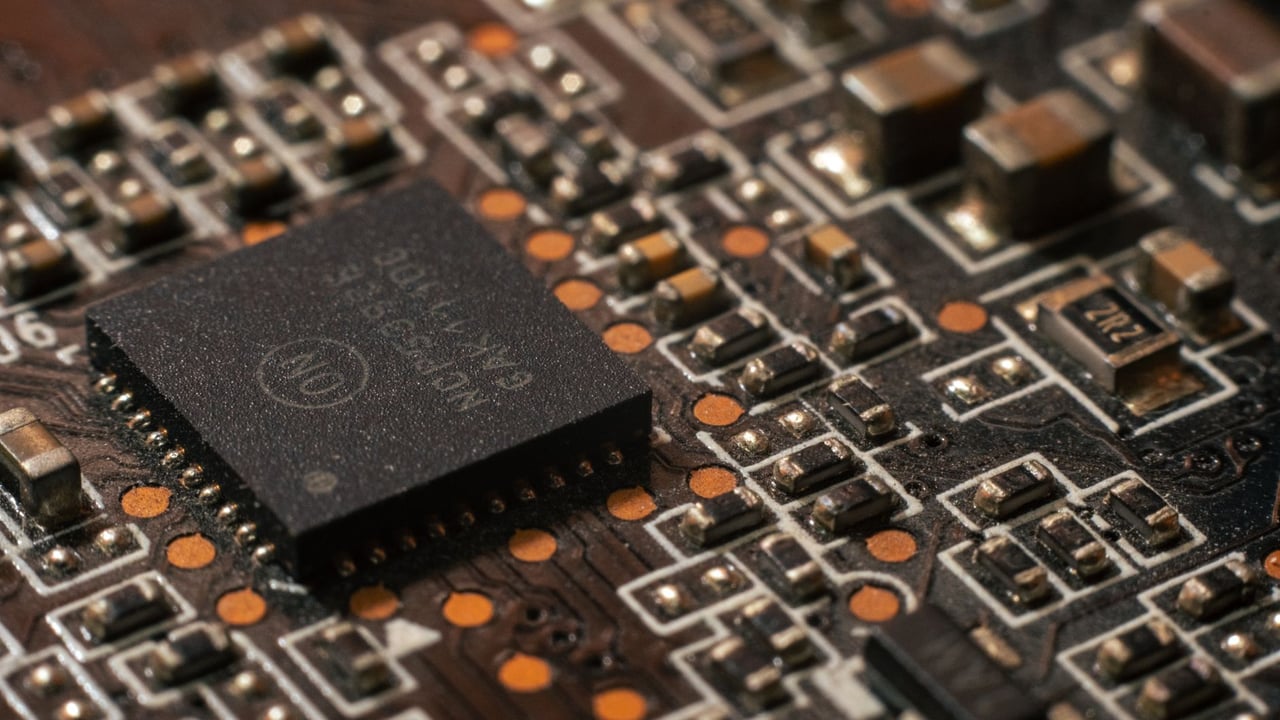

The global technology landscape is undergoing a seismic shift as the ravenous appetite of artificial intelligence begins to cannibalize the consumer electronics supply chain. Apple’s recent decision to hike prices for its flagship Mac and iPad lines by over 20% serves as a stark signal that the era of affordable, high-performance personal computing is colliding with the infrastructural demands of the generative AI revolution. While the iPhone has been spared for now, the cost of memory and storage components is being driven to unprecedented heights by the rapid expansion of AI data centers.
This price pressure is the result of a global 'compute hunger' that is reshaping corporate balance sheets. Micron Technology’s latest quarterly results, revealing a nearly 1,400% surge in net profit, underscore the massive transfer of wealth toward the 'arms dealers' of the silicon world. As memory manufacturers pivot their production lines to serve high-margin AI servers, consumer-grade hardware is facing a secondary status in the queue for premium components.
In the face of these physical limits, the industry is accelerating its push toward the atomic frontier. IBM’s unveiling of the world’s first sub-1nm chip technology, specifically a 0.7nm process node, marks a milestone in semiconductor history. By integrating 100 billion transistors onto a chip the size of a fingernail, IBM is signaling that the future of computing power will rely on radical three-dimensional stacking architectures to bypass the looming end of traditional Moore’s Law scaling.
At the annual shareholder meeting of Nvidia, CEO Jensen Huang articulated a new economic paradigm where AI data centers are viewed as 'token factories.' By framing every digital output as a revenue-generating asset, Nvidia is positioning its hardware not as a capital expense, but as a manufacturing plant for the digital age. This optimism is backed by a commitment to return more than 50% of its massive free cash flow to shareholders, cementing its role as the central bank of the AI economy.
In China, the impact of this transition is being felt through severe supply chain bottlenecks. At the MWC Shanghai conference, industry giants like Lenovo reported a staggering 150-billion-yuan backlog in server orders. As Chinese enterprises race to build out domestic 'sovereign AI' infrastructure, the demand for CPUs and GPUs is vastly outstripping supply, creating a high-pressure environment where even the most localized hardware chains are struggling to fulfill orders amidst a global scramble for compute.