Tehran Blames US 'Interventionism' for Middle East Instability as Regional Tensions Persist

Iran's Foreign Ministry has officially labeled US military intervention and its regional proxies as the fundamental barriers to Middle East peace. Spokesperson Esmaeil Baghaei accused Washington of granting immunity to forces committing 'genocide' and causing perpetual instability.

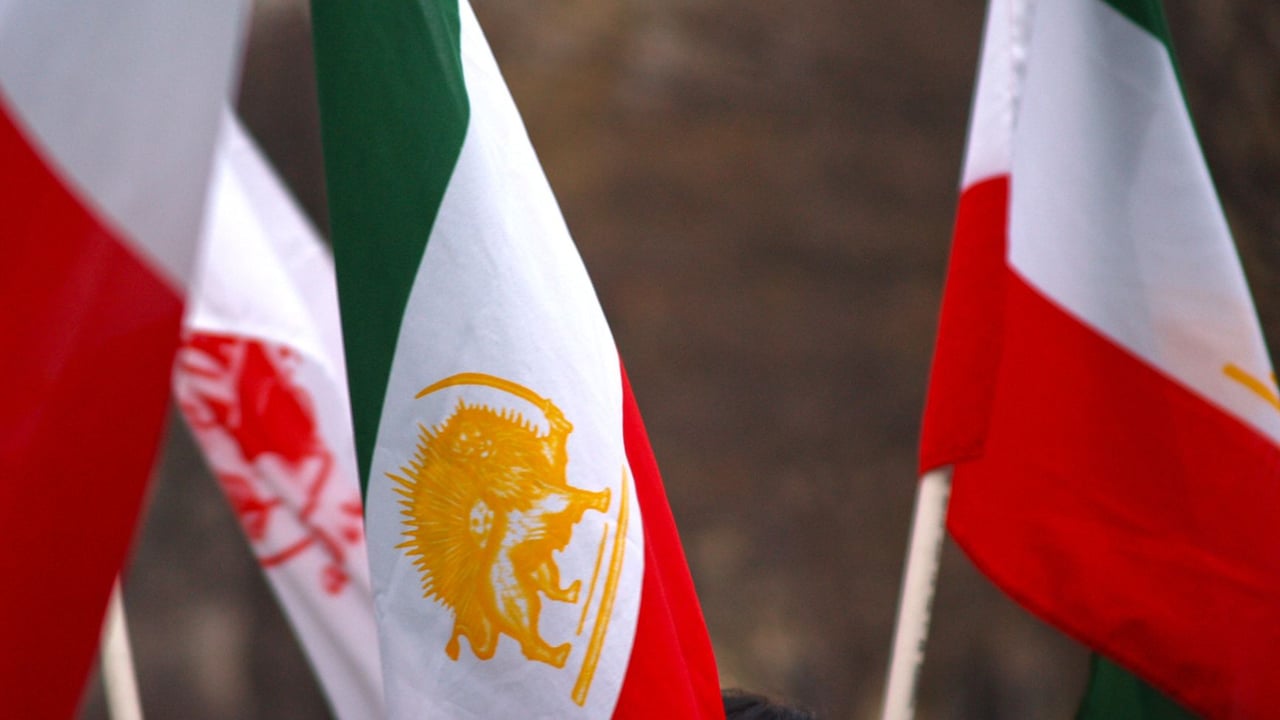
Close-up of Iranian flags waving outdoors in Washington, DC, showcasing cultural identity.

Key Takeaways

  • 1Iran identifies US military presence as the primary structural obstacle to regional peace.
  • 2Foreign Ministry spokesperson Baghaei accused US-backed 'proxies' of committing war crimes with total immunity.
  • 3Tehran continues to advocate for the complete withdrawal of Western military forces from the Middle East.
  • 4The use of 'genocide' rhetoric reflects a strategic attempt by Iran to utilize international legal frameworks against Western allies.

Editor's
Desk

Strategic Analysis

Tehran’s persistent framing of the United States as an 'occupying' force is a calculated strategic move designed to exploit shifting political sentiments both in the Middle East and within the US itself. By labeling regional instability as a direct byproduct of American interventionism, Iran shifts the focus away from its own network of non-state actors and proxy militias. In the 2026 geopolitical context, this rhetoric likely serves as a diplomatic shield, allowing Iran to maintain a posture of 'anti-imperialist' resistance while consolidating its influence in the Levant and the Persian Gulf. The escalation in language—specifically the charge of genocide—indicates an intent to further polarize international opinion and complicate US-led security initiatives in the region.

China Daily Brief Editorial
Strategic Insight
China Daily Brief

Esmaeil Baghaei, the spokesperson for Iran’s Foreign Ministry, has issued a sharp rebuke of United States foreign policy, asserting that American military presence remains the primary obstacle to stability in the Middle East. In a series of statements shared via social media, Baghaei argued that a durable peace is functionally impossible as long as what he termed US 'interventionism' continues to dominate the regional landscape.

The spokesperson’s rhetoric focused heavily on the role of 'occupying forces,' whom he characterized as proxies acting with total legal immunity under the protection of Washington. He accused these forces of perpetuating 'unending wars' and committing systemic crimes, including genocide, throughout the region. This inflammatory language underscores the deepening diplomatic chasm between Tehran and Western powers regarding the architecture of regional security.

By framing the United States as a structural barrier to peace, Iran seeks to reinforce its long-standing narrative that regional security must be managed exclusively by local actors. This stance is a cornerstone of Iran’s 'Axis of Resistance' ideology, which aims to delegitimize the American military footprint in countries like Iraq and Syria. Such statements are often timed to resonate with domestic audiences and regional partners who share a skepticism of Western motives.

Ultimately, Baghaei’s remarks signal that Tehran remains committed to a hardline confrontational stance in the information space. By utilizing high-profile social media platforms to disseminate these accusations, the Iranian Foreign Ministry is attempting to bypass traditional diplomatic constraints and engage directly in a global narrative war over the root causes of Middle Eastern conflict.

Share Article

Related Articles

📰
No related articles found