
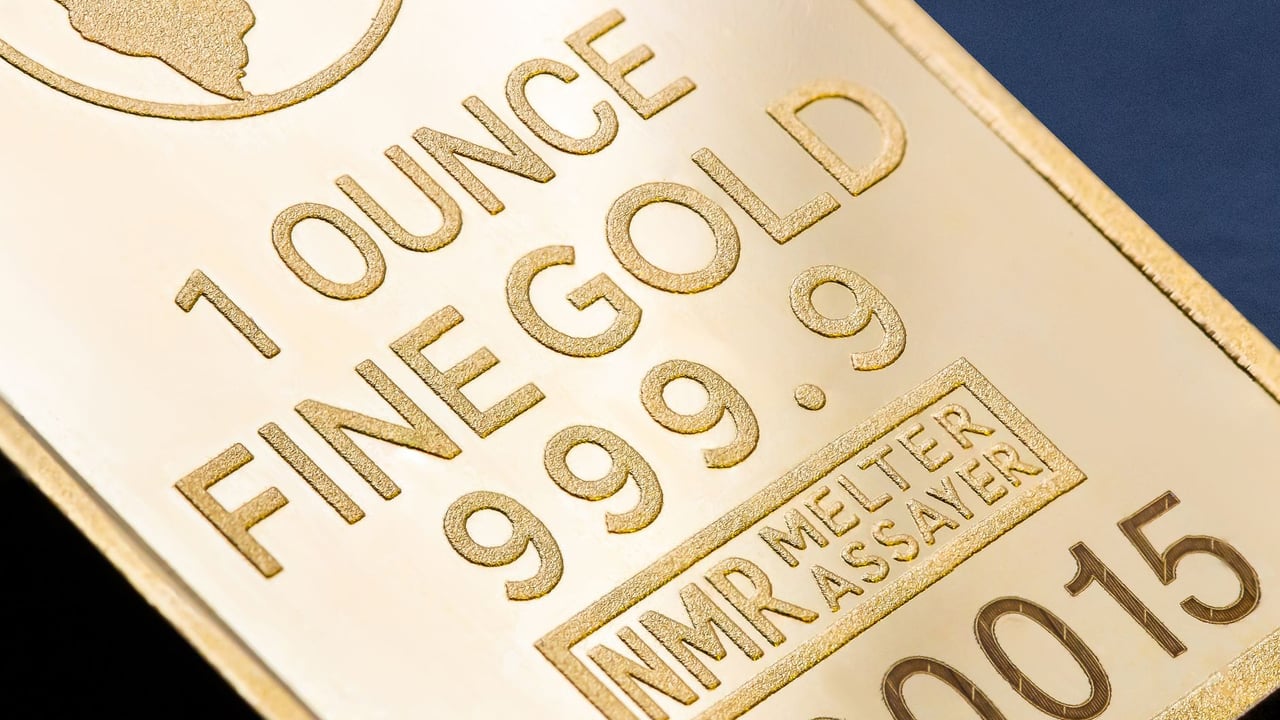

The long-standing bull market for precious metals is facing a reckoning as gold prices surrendered the critical $4,000 per ounce psychological threshold this week. This retreat marks a staggering 30% decline from the historic highs of $5,598 seen earlier in the year, effectively resetting the market to levels not witnessed since late 2025. The sell-off has been even more brutal for silver, which has seen its value halved from its January peak, leaving investors to wonder if the ‘safe haven’ narrative has finally reached its expiration date.
The primary catalyst for this correction lies in the shifting dynamics of U.S. monetary policy. Under the leadership of the newly appointed Federal Reserve Chair, Kevin Warsh, the central bank has adopted a surprisingly hawkish stance to combat persistent inflationary pressures. Rising Treasury yields and a surging U.S. dollar have fundamentally undermined the appeal of non-yielding assets like gold. As global capital flows prioritize the yield-bearing greenback, the traditional logic that gold thrives on economic uncertainty is being tested by the reality of aggressive interest rate hikes.
Institutional sentiment has performed a dramatic U-turn, with major investment banks slashing their long-term forecasts. Goldman Sachs recently lowered its 2026 target to $4,900, while Bank of America admitted that its previous $6,000 projection is now effectively out of reach. This coordinated ‘pivot to bearishness’ suggests that the institutional floor for gold has collapsed, driven by the realization that U.S. economic resilience is stronger than anticipated, thereby reducing the immediate need for defensive positioning.
In China, the world’s largest gold consumer, the reaction has been one of cautious retreat. Data shows a massive exodus from gold-linked ETFs, with domestic funds seeing billions in net outflows as investors seek more liquid or higher-yielding opportunities. While physical jewelry prices have dropped significantly, the retail market has not yet seen a surge in buying; instead, a ‘wait-and-see’ mentality prevails among consumers who fear catching a falling knife. This absence of a retail ‘safety net’ in China further exacerbates the downward pressure on global spot prices.
Despite the prevailing gloom, some analysts argue that the long-term thematic drivers for gold remain intact. The overarching trend of ‘de-dollarization’ and consistent buying by global central banks provide a fundamental support level that may prevent a total market collapse. However, for the immediate future, the market appears trapped in a transition from a liquidity-driven mania to a period of deep value adjustment, where the ‘3-prefix’ era for gold prices could become the new, painful reality.