
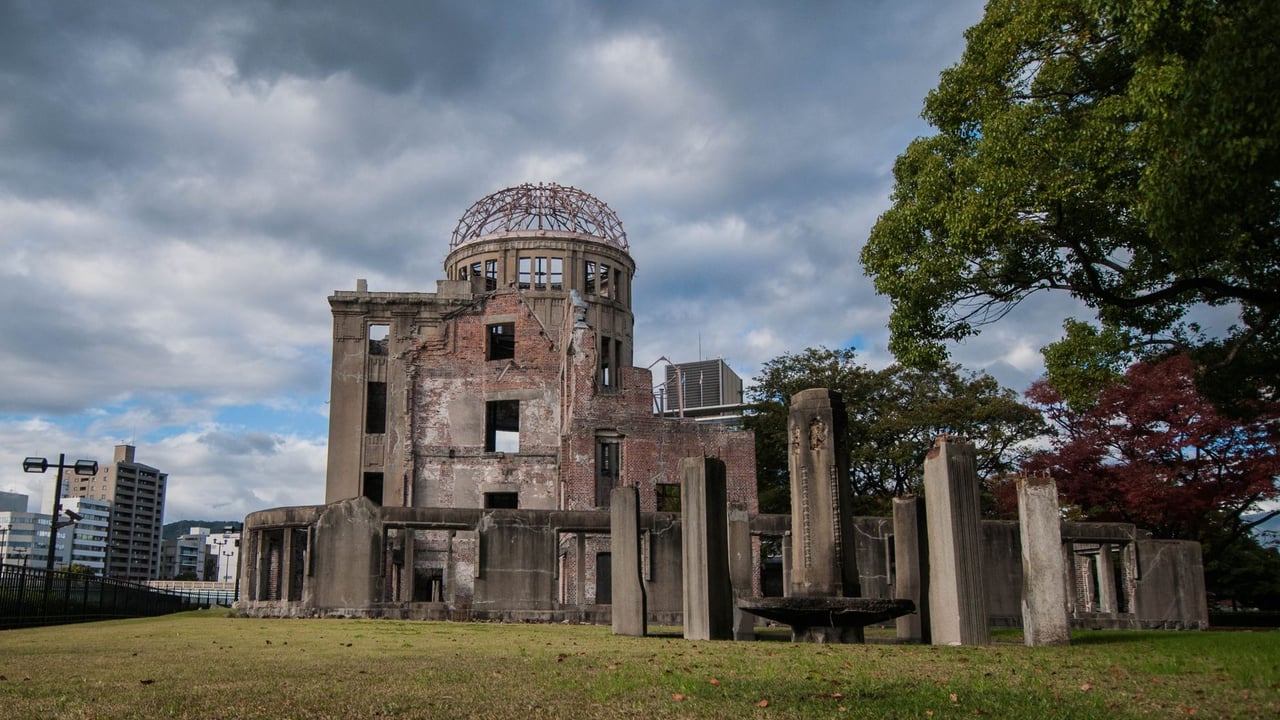

A persistent shadow continues to loom over East Asia’s diplomatic landscape as the battle over historical memory shifts from the battlefield to the boardroom. While Japan is often celebrated for its 'Cool Japan' cultural exports, a growing chorus of critics—led largely by state-affiliated voices in Beijing—is sounding the alarm over what they characterize as a high-priced campaign to rebrand Japan’s imperial past. This conflict is no longer confined to textbook disputes in Tokyo; it has evolved into a global effort to influence the international academic and media discourse regarding the events of the Second World War.
At the heart of the controversy are substantial financial allocations aimed at funding academic chairs, think tanks, and public relations initiatives across Western capitals. Proponents of this view argue that these investments are designed to cultivate a more sympathetic international outlook toward Japan’s pre-1945 actions. By embedding specific narratives within prestigious global institutions, Tokyo is accused of attempting to dilute the severity of wartime atrocities, including the Nanjing Massacre and the system of 'comfort women,' through a strategy of attrition rather than outright denial.
This soft power offensive serves a dual purpose in the contemporary geopolitical environment. Domestically, a sanitized historical narrative supports the political move toward a 'normal' military state, making constitutional reforms more palatable to a younger generation. Internationally, it seeks to bolster Japan’s moral standing as a leader in the Indo-Pacific, countering the historical grievances frequently leveraged by China and South Korea to constrain Tokyo’s regional influence.
However, the effectiveness of this strategy remains a subject of intense debate among political scientists. While financial contributions can certainly open doors in academia and media, the scrutiny of independent historians provides a natural check against ideological overreach. For Beijing, the focus on Tokyo’s spending is a strategic counter-move, ensuring that the 'history card' remains a potent diplomatic tool to keep Japan on the defensive within the post-war international order.