

A fundamental restructuring of the global consumer electronics supply chain is underway as hardware giants pass the bill for soaring component costs to the consumer. Apple recently implemented its most significant global price hike in years, raising MacBook and iPad prices by approximately 20%. Microsoft soon followed, announcing price increases for its Xbox consoles, citing the relentless surge in the cost of memory and storage chips. This trend is no longer confined to Western giants; in China’s hyper-competitive tech hubs, domestic manufacturers are quietly initiating their second round of price adjustments for the year.
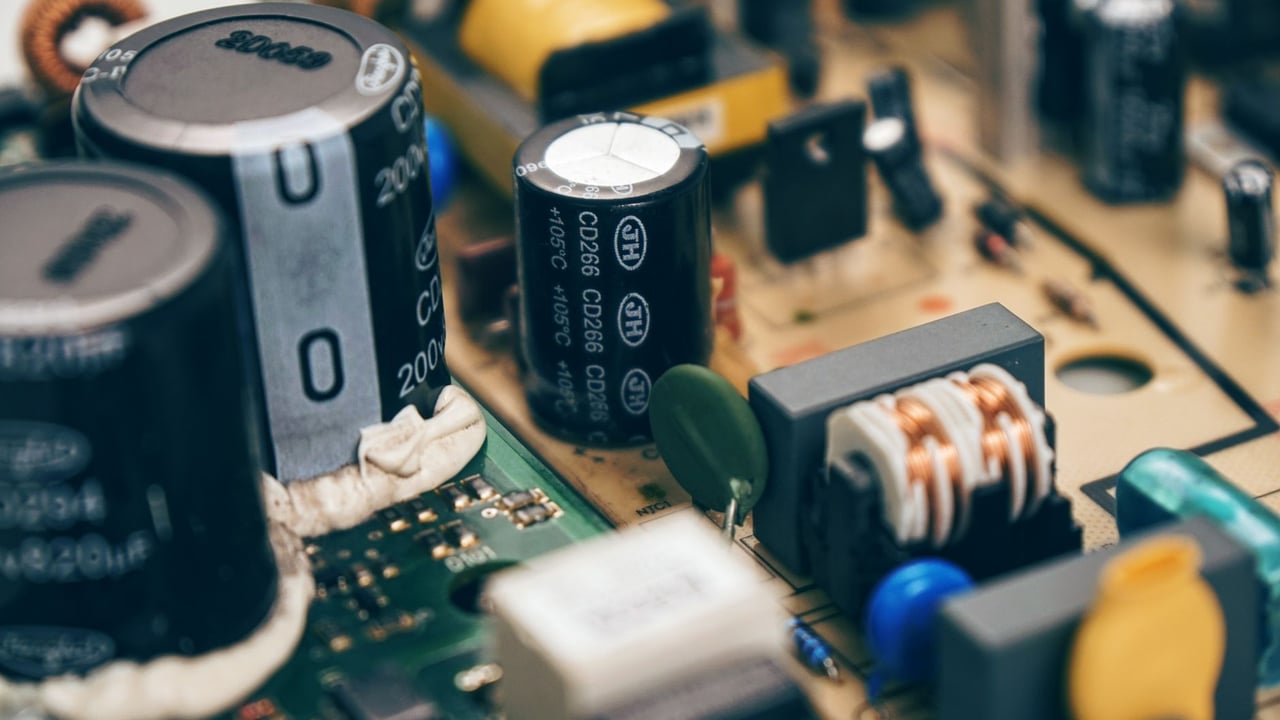
The root of this inflation lies in the voracious appetite of the artificial intelligence sector. Major semiconductor fabricators have shifted their production capacity away from consumer-grade memory, such as LPDDR4X and DDR4, toward High Bandwidth Memory (HBM) and DDR5 chips required for AI data centers. This pivot has left the smartphone and PC markets facing a supply vacuum. Market data suggests that DRAM and NAND prices soared by 386% and 207% respectively over the past year, creating a 'cost-push' inflationary environment that terminal manufacturers can no longer absorb internally.
Chinese brands including Honor, OPPO, vivo, and Huawei have already adjusted prices for their mid-to-high-end offerings, with some models seeing increases of up to 1,000 RMB ($140 USD) compared to previous generations. While Lenovo maintains that it has secured sufficient supply through long-term contracts, the company admits it is not immune to the broader industry trend. Xiaomi, meanwhile, is attempting a delicate balancing act, focusing on product re-segmentation and software optimization to mask the inevitable price creep without alienating its value-conscious user base.
Analysts predict a bifurcated market where the premium segment remains resilient while the budget tier faces an existential crisis. In low-end smartphones, memory now accounts for nearly 50% of the total bill of materials (BOM), leaving manufacturers with virtually no margin. As 'Apple Intelligence' and other on-device AI features become standard requirements, the demand for higher memory and processing power will only intensify. With supply constraints expected to persist for the next two years, the era of cheap, high-performance consumer hardware may be coming to a close.