
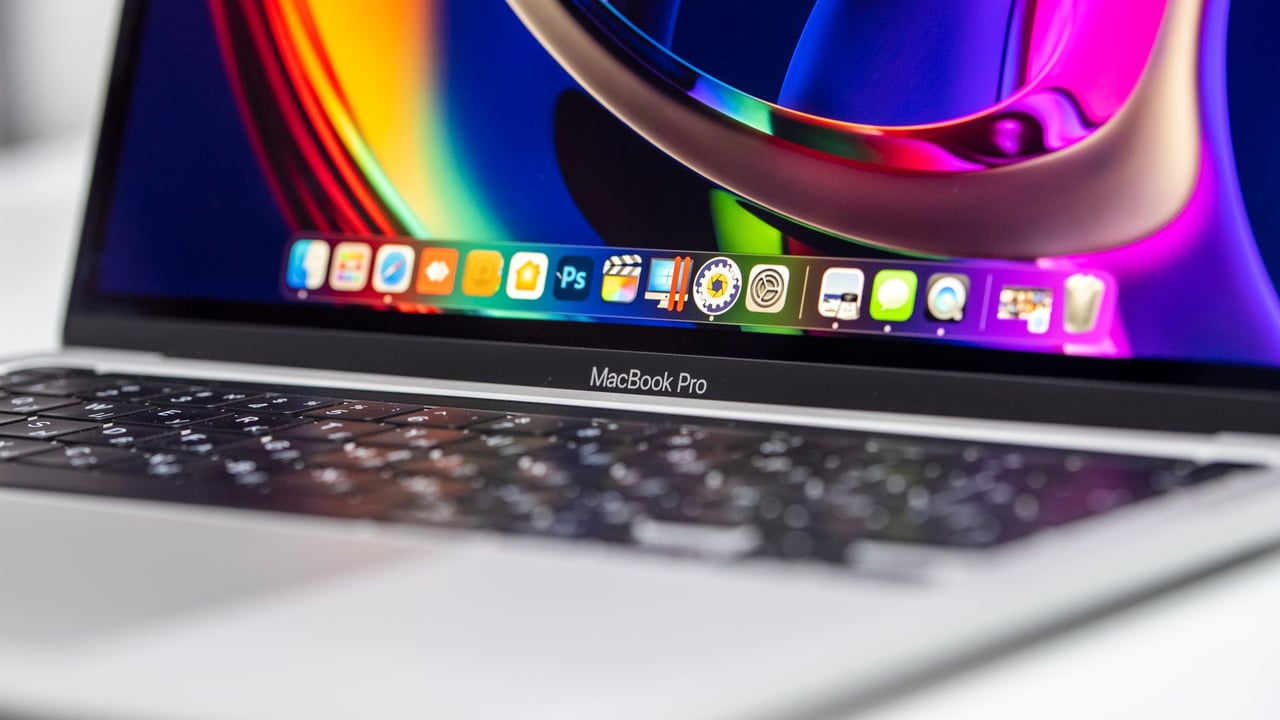

For years, Apple held fast to Steve Jobs’ conviction that touch screens were ergonomically "illogical" for laptops. However, recent leaks suggest a seismic shift in Cupertino’s philosophy as the tech giant prepares to launch its first touch-enabled MacBook. This move represents more than just a hardware update; it is a calculated attempt to reclaim market share in a segment increasingly dominated by versatile Windows-based rivals.
The upcoming high-end MacBook line will reportedly debut with existing M5 Pro and M5 Max chips, serving as a tactical bridge before a more radical silicon overhaul. While the use of "off-the-shelf" components might disappoint power users, it allows Apple to manage inventory costs while focusing on a comprehensive industrial redesign. This strategy suggests that Apple believes consumers will prioritize the new form factor and interface over marginal gains in raw processing power.
Behind the scenes, Apple’s silicon roadmap is undergoing a significant reshuffle to meet the voracious demands of generative AI. Reports indicate that the M6 Pro and M6 Max variants have been cancelled entirely, clearing the path for an accelerated M7 series launch. This M7 generation, slated for late 2027, is being engineered from the ground up to handle "higher-demand AI workloads" through massive upgrades to neural engines and memory bandwidth.
Beyond the touch interface, the new MacBook Pro will adopt several features pioneered by the iPhone, including the "Dynamic Island" and OLED display technology. This convergence of iOS and macOS design languages marks the most significant visual update to the Mac lineup since 2021. The shift to OLED is particularly crucial, promising superior contrast and power efficiency for professional creators who have long awaited such a transition.
This technological leap comes with a steep financial cost, as Apple appears to be establishing a "new normal" for premium pricing. Entry-level 14-inch MacBook Pro models are expected to start at $1,999, with Pro-tier configurations climbing to $2,499. As component costs—particularly memory and advanced 2nm nodes—fluctuate, Apple is signaling to the market that the era of the $2,000 professional baseline is here to stay.