
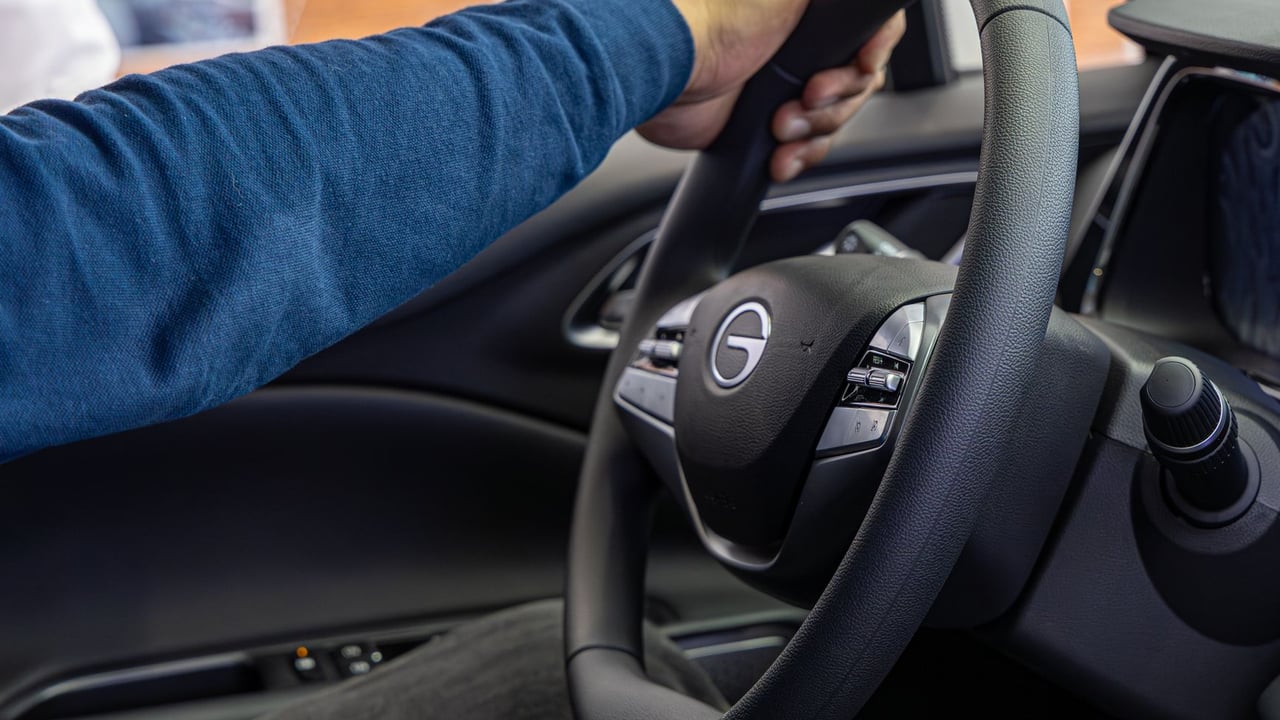

Guangzhou Automobile Group (GAC) has officially launched its newest venture into the competitive electric vehicle market with the debut of the Qijing GT7. This pure electric coupe, priced between 200,000 and 329,900 RMB (approximately $27,500 to $45,400), represents a strategic collaboration between the state-owned automotive giant and Huawei’s Qiankun intelligent driving division. By leveraging Huawei's cutting-edge software suite, GAC aims to revitalize its brand image and capture the increasingly influential Gen Z consumer base.
The GT7 is designed as a high-performance, tech-forward 'smart' coupe, focusing on aesthetics and intelligent connectivity to lure buyers born in the 1990s and 2000s. With five different variants, the vehicle offers a tiered entry into the world of autonomous-assisted driving, a feature that has become a baseline requirement for premium EVs in the Chinese market. This launch signals GAC's acknowledgment that hardware alone—long the stronghold of traditional manufacturers—is no longer sufficient to compete with tech-native rivals like Xiaomi and Tesla.
Central to the GT7’s appeal is the integration of the Huawei Qiankun system, which provides advanced navigation on autopilot and comprehensive cockpit intelligence. For GAC, this partnership is more than a technical upgrade; it is a vital lifeline to stay relevant in a market where 'intelligence' is the primary differentiator. The company is betting that Huawei’s domestic brand prestige and technological reliability will compensate for the relative obscurity of the new Qijing brand.
The timing of the release coincides with a massive shake-up in the Chinese automotive landscape, characterized by aggressive price wars and a shift toward 'boxier' SUVs or sleek, aerodynamic coupes. As GAC pushes the GT7 into the 200,000-plus RMB bracket, it faces a gauntlet of established competitors. The success of this model will likely determine whether the GAC-Huawei partnership can evolve into a long-term powerhouse or remain a niche alternative in a saturated market.