
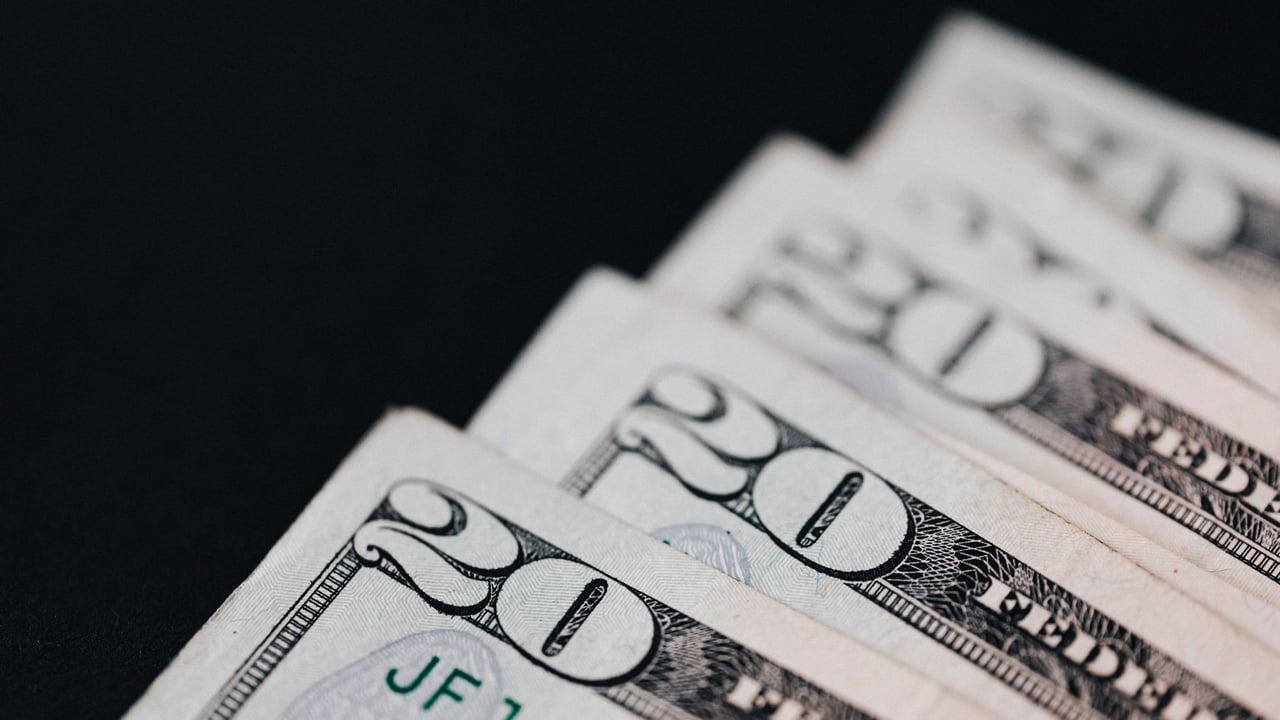

The global foreign exchange landscape underwent a decisive shift in late June 2026, as the Chinese Yuan retreated to the 6.8 level against the U.S. Dollar. This correction marks the end of a prolonged period of yuan strength, triggered by a surprisingly hawkish pivot from the Federal Reserve. As the greenback surged, the onshore and offshore yuan both adjusted, ending weeks of speculation regarding how much further the Chinese currency could climb.
The primary catalyst for this reversal was the Federal Reserve’s latest economic projections, which raised the median federal funds rate forecast for 2026 to 3.8%. This signal, combined with U.S. Personal Consumption Expenditure (PCE) inflation hitting 4.1%, shattered market hopes for a near-term transition to monetary easing. With energy prices rebounding and service-sector inflation remaining sticky, investors have quickly priced in a higher probability of further interest rate hikes.
Despite the dollar's renewed vigor, the yuan has displayed remarkable resilience compared to other major currencies. Since the beginning of the year, the yuan has actually appreciated against the dollar by nearly 3% even as the broader Dollar Index climbed. This underlying strength is bolstered by China’s robust export engine, particularly in high-tech sectors driven by the global artificial intelligence investment boom, which has provided a steady stream of foreign exchange inflows.
However, seasonal factors are now beginning to weigh on the currency’s outlook. The second and third quarters traditionally see a surge in demand for foreign currency as multinational firms repatriate profits and Hong-Kong-listed Chinese companies distribute dividends. This cyclical pressure, combined with a slight decline in the rate at which exporters convert their dollar earnings back into yuan, suggests that the period of one-way appreciation has likely concluded.
Market analysts point to a massive "buffer" that may prevent a sharp depreciation of the yuan. Chinese enterprises are currently estimated to be holding nearly $800 billion in unexchanged foreign currency, with much of it acquired when the exchange rate was between 7.0 and 7.2. Should the yuan weaken toward the 6.9 or 7.0 threshold, these firms are expected to aggressively settle their holdings for yuan, effectively creating a natural floor for the currency.