Silicon Valley of the East: Shenzhen Minting Embodied AI Unicorns at Record Speed

Two Shenzhen-based startups, Zhi Pingfang and Variable Robotics, hit 20-billion-yuan valuations on the same day, marking a significant consolidation of capital in China’s embodied AI sector. Backed by a mix of internet giants like Alibaba and state-level funds, the industry is rapidly transitioning from a funding-driven hype phase to a high-stakes race for commercial scalability.

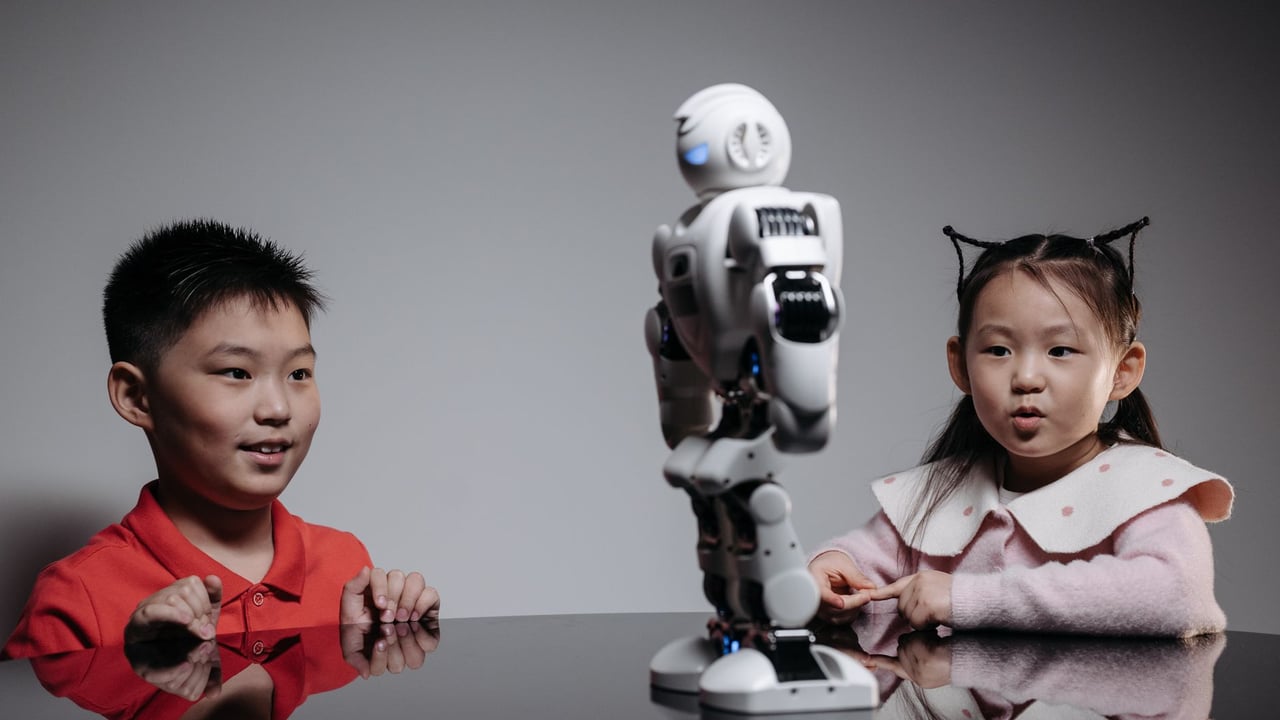
Kids amazed by a humanoid robot during an indoor play session, showcasing technology and learning.

Key Takeaways

  • 1Two Shenzhen startups, Zhi Pingfang and Variable Robotics, both reached 20-billion-yuan ($2.8B) valuations on June 29, 2026.
  • 2Variable Robotics secured a historic 'sweep' of lead investments from Alibaba, ByteDance, Meituan, and Xiaomi.
  • 3The '20-billion club' of Chinese embodied AI firms has expanded to eight major players, signaling high market concentration.
  • 4Investment sources show a fusion of national strategic funds and private industrial capital, including Moutai and various Tesla ecosystem suppliers.
  • 5The industry focus is shifting from securing funding to achieving 'commercial closed-loop' and mass-market deployment.

Editor's
Desk

Strategic Analysis

The simultaneous rise of these two unicorns in Shenzhen is a microcosm of China’s broader industrial strategy: the 'Hard Tech' pivot. Unlike the software-centric AI boom in the West, China is leveraging its manufacturing dominance to ensure AI has a body. The fact that the four major internet platforms—traditionally fierce rivals—have all coalesced around the same startup (Variable) suggests they view embodied AI as a fundamental infrastructure layer, akin to the cloud or mobile payments. Furthermore, the inclusion of national and regional funds indicates that this is a state-sponsored mission to automate the labor force and secure the global robotics supply chain. The high valuation of these eight firms creates a high barrier to entry, but also sets the stage for a brutal consolidation phase where technical performance in real-world scenarios will be the only currency that matters.

China Daily Brief Editorial
Strategic Insight
China Daily Brief

The global race for artificial intelligence has entered a physical dimension, and Shenzhen is currently the forge. In a single day, two of China’s leading 'embodied intelligence'—AI with physical robotic forms—startups announced they had surpassed the 20-billion-yuan ($2.8 billion) valuation threshold. This dual milestone for Zhi Pingfang and Variable Robotics underscores the massive concentration of capital flowing into what Beijing views as the next frontier of industrial supremacy.

Variable Robotics, in particular, has achieved a feat rarely seen in China’s fragmented tech ecosystem. It has successfully secured lead investments from the nation's four 'Big Tech' pillars: Meituan, Alibaba, ByteDance, and Xiaomi. This 'grand slam' of backing, supplemented by state-owned funds and top-tier VCs like Sequoia China, suggests a rare strategic consensus among competing internet giants that the future of their platforms lies in physical automation.

Simultaneously, Zhi Pingfang’s cap table reflects the 'National Team' approach to technology. Its funding round included state-level strategic capital and provincial investment platforms, alongside unlikely industrial heavyweights such as the liquor giant Moutai Group and China Biologic Products. This blend of state-directed strategy and diversified corporate interest indicates that embodied AI is being treated as a systemic utility rather than just a software niche.

With these latest rounds, China’s '20-billion club' for embodied AI now counts at least eight major players, including the high-profile Agibot and Unitree. However, as the entry price for this sector skyrockets, the narrative is shifting from venture capital storytelling to the 'death march' of commercialization. The coming months will test whether these highly-valued entities can move beyond laboratory demonstrations and prove their economic value in messy, real-world environments.

Share Article

Related Articles

📰
No related articles found