
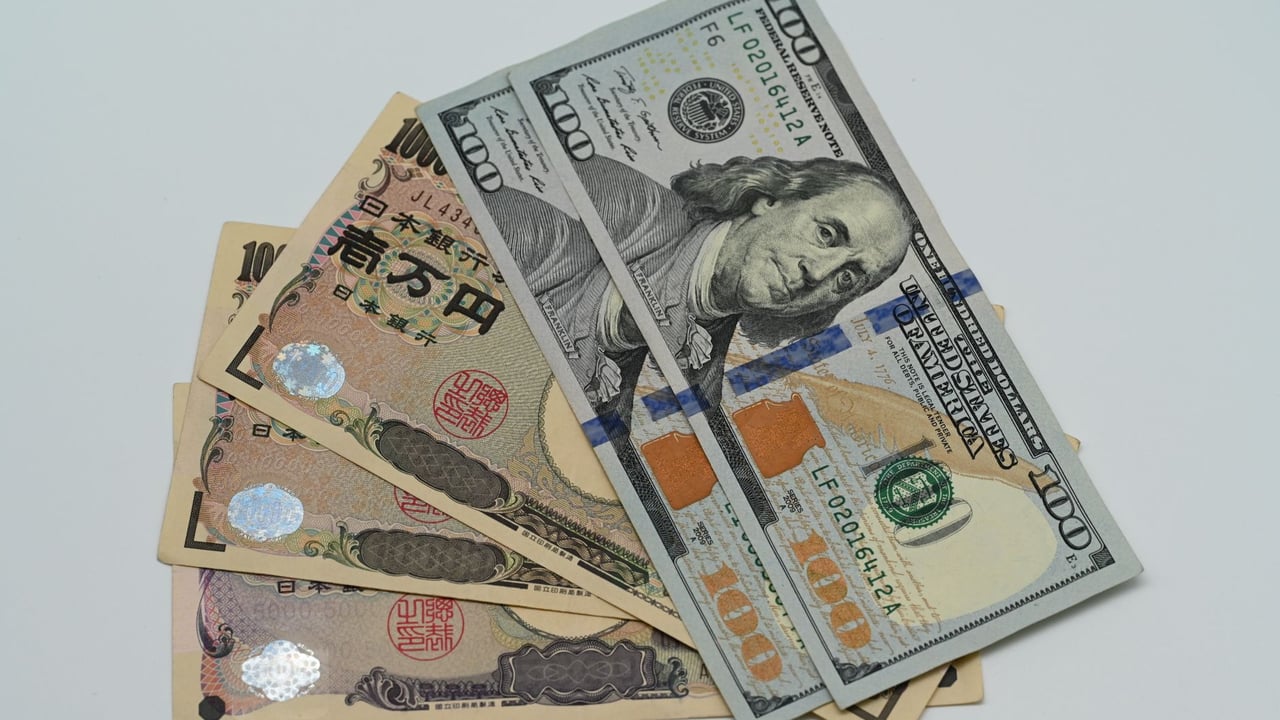

The Japanese yen has plunged to its lowest level against the dollar since 1986, reaching a critical threshold of 161.97. This collapse effectively erases the entire impact of the record-breaking 11.73 trillion yen intervention launched by the Ministry of Finance just two months ago. The failure of this massive 72.5 billion dollar gambit highlights the deepening policy paralysis gripping Tokyo as it struggles to defend its currency.
Despite repeated verbal warnings from Finance Minister Satsuki Katayama regarding "bold action" against speculators, the markets remain unimpressed. The cold reception from global traders reflects a grim reality: the structural interest rate gap between the U.S. Federal Reserve and the Bank of Japan is simply too wide to bridge with rhetoric alone. While the Bank of Japan recently nudged rates to 1%, the Federal Reserve’s hawkish stance keeps American yields high, fueling a relentless carry-trade that punishes the yen.
Japan now finds itself in a profound structural dilemma that pits fiscal stability against monetary defense. A weak yen is driving a cost-of-living crisis by inflating the price of imported fuel and food, which severely erodes consumer purchasing power. This would typically necessitate aggressive interest rate hikes, yet the Japanese government is reportedly pressuring the central bank to exercise restraint to avoid a different kind of catastrophe.
Because Japan carries the highest debt-to-GDP ratio among developed nations, even a modest rise in interest rates would exponentially increase the cost of servicing sovereign debt. This creates a "policy deadlock" where the government must choose between a collapsing currency and a fiscal crisis. Analysts suggest that until there is a fundamental shift in U.S. monetary policy or a meaningful narrowing of the yield gap, currency interventions are merely expensive, temporary band-aids.
Market observers are now eyeing the 165 level as the next psychological battleground. However, there is growing skepticism about the effectiveness of further intervention, especially since such moves require the liquidation of U.S. Treasuries, which could trigger volatility in global bond markets. For now, Tokyo is trapped in a holding pattern, hoping for a Federal Reserve pivot that may not arrive in time to save the yen.