

China’s equity markets concluded the first half of 2026 with a decisive tech-led rally, as investors doubled down on the country’s 'New Quality Productive Forces' strategy. The STAR 50 index, a barometer for China’s most advanced technology firms, surged nearly 4% on the final day of June, marking a staggering monthly gain of over 26%. This momentum was echoed in the ChiNext index, which climbed nearly 3% to reach a new historical peak, underscoring a structural shift in capital allocation away from traditional sectors and toward high-end manufacturing.
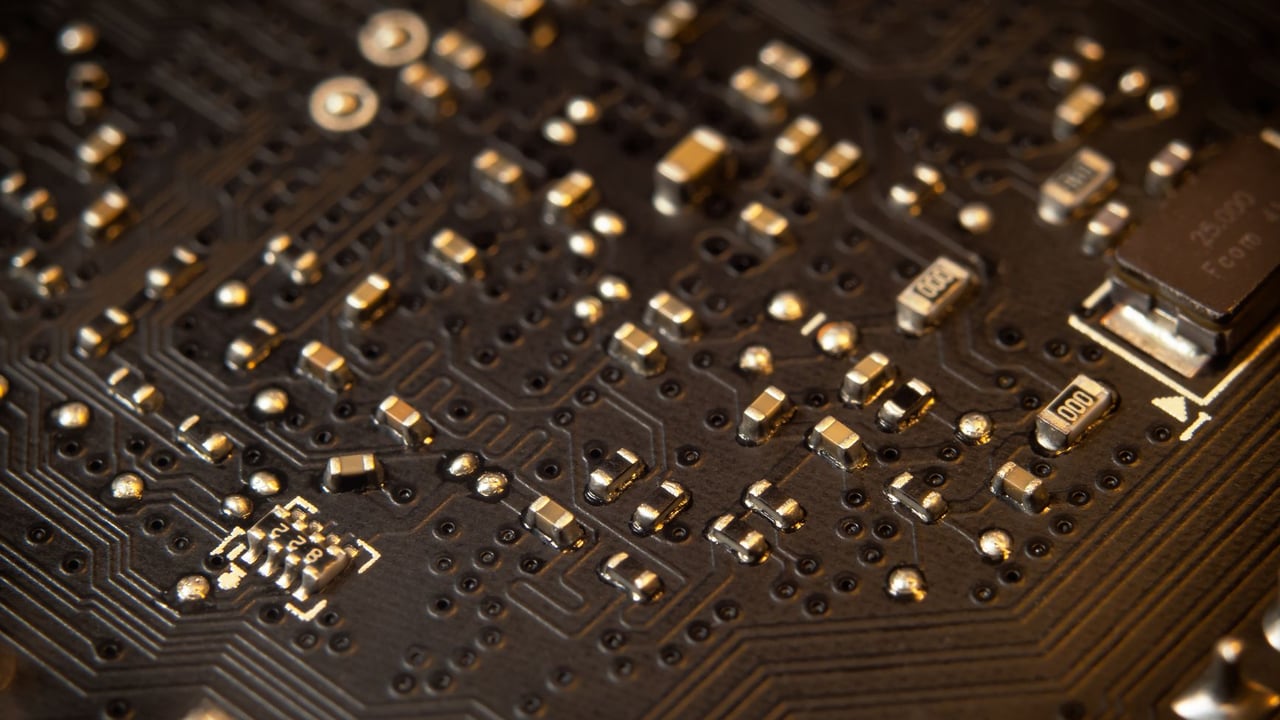
The semiconductor and chip-making industries served as the primary engine for this growth, with the sector’s total market capitalization crossing the symbolic one-trillion-yuan threshold. High-profile entities such as Cambricon and StarPower Semiconductor led the charge, benefiting from a national push to achieve silicon self-sufficiency amidst tightening global trade restrictions. Analysts note that the market’s focus has moved beyond mere speculation, now centering on firms with tangible capacity in the AI-driven computing power supply chain.
Industrial automation and robotics also witnessed a surge in trading volume, with several dozen firms hitting the daily upward price limit. This vertical is increasingly viewed as a critical hedge against China’s demographic shifts, as domestic manufacturers integrate advanced robotics to maintain their competitive edge in global exports. Furthermore, the burgeoning demand for high-speed connectivity has buoyed hardware stocks related to Co-packaged Optics (CPO), indicating a broad-based infrastructure build-out for the next generation of digital services.
While the domestic gains are impressive, they occur within a broader, feverish Asian market context where Japan’s Nikkei 225 and South Korea’s KOSPI have posted even more dramatic half-year increases of 40% and 100%, respectively. This regional synchronicity suggests a massive pivot of global institutional capital toward East Asian tech ecosystems. However, the divergence between the tech-heavy indices and the more modest 0.5% gain of the Shanghai Composite suggests that the rally remains concentrated, leaving traditional 'old economy' stocks struggling to keep pace.