
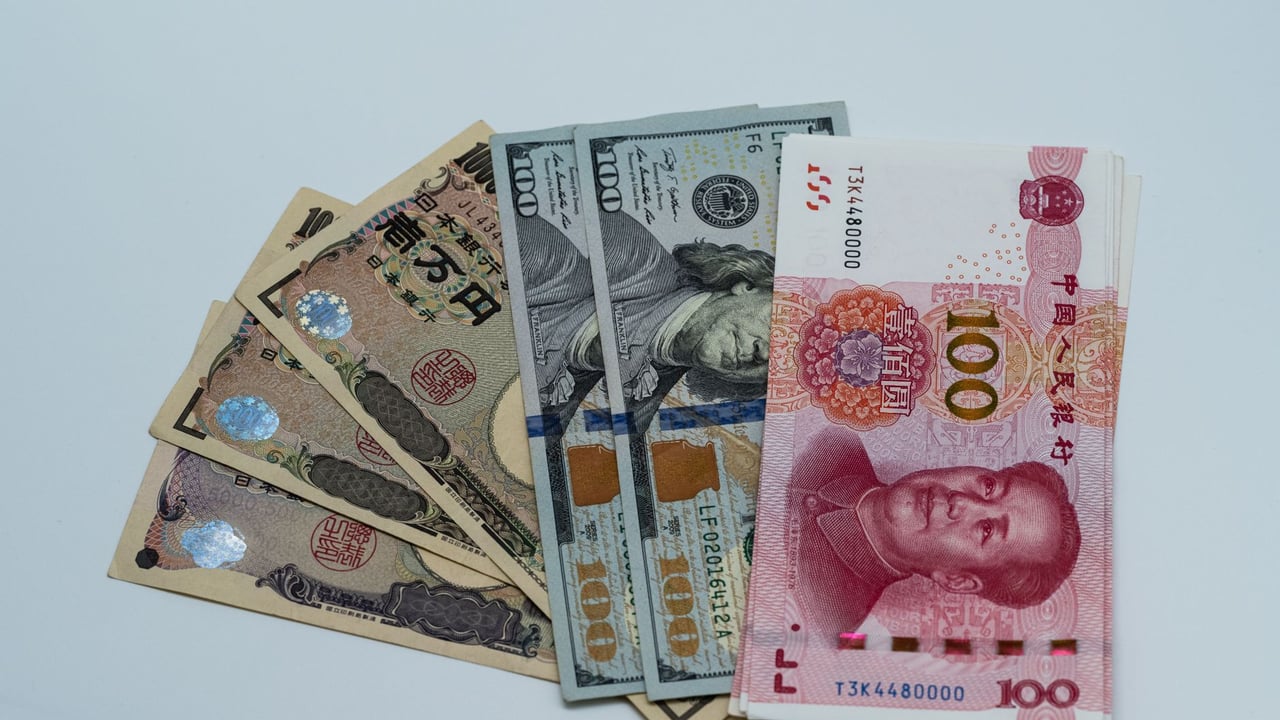

The Japanese yen has breached a psychological and historical fault line, tumbling to 162.40 against the U.S. dollar, a level not seen since the mid-1980s. This depreciation comes as a stark embarrassment to the Bank of Japan, which recently pushed interest rates to 1%, their highest point since 1995. Despite these efforts to signal a departure from decades of ultra-loose monetary policy, the currency's slide continues unabated, revealing a deep-seated skepticism among global investors regarding Tokyo's ability to narrow the interest rate gap with the United States.
The fundamental driver of this decline remains the massive yield differential between Japan and other major economies. While the Bank of Japan has tentatively stepped away from negative interest rates, the U.S. Federal Reserve’s 'higher for longer' stance has kept the dollar's allure irresistible. This creates a fertile environment for the 'carry trade,' where investors borrow yen at low costs to invest in high-yielding foreign assets, effectively maintaining constant selling pressure on the Japanese currency.
Tokyo’s Ministry of Finance finds itself in an increasingly expensive game of whack-a-mole. Between late April and late May, the government spent a record 11.73 trillion yen (approximately $74 billion) in direct market interventions to shore up the currency. While these actions provided temporary relief, they failed to alter the long-term trajectory. Current rhetoric from finance officials remains 'steady,' with warnings of 'bold action' used sparingly, a sign that the government may be reaching the limits of its interventionist appetite.
The economic consequences for Japan are a double-edged sword. On one hand, a weak yen has boosted the profits of major exporters and propelled the Japanese stock market to historic highs. Conversely, the cost of living for the average citizen is surging as the price of imported energy and gas—priced almost exclusively in dollars—skyrockets. This 'imported inflation' threatens to stifle domestic consumption, the very thing the Bank of Japan hoped to revitalize through controlled inflation.
Looking ahead, currency strategists suggest that the yen is unlikely to find a floor until there is a definitive shift in the Federal Reserve's policy or a much more aggressive tightening cycle from the Bank of Japan. Markets are now eyeing the 164 to 165 range as the next major trigger point for government intervention. However, without a fundamental change in the macroeconomic backdrop, any further spending by the Ministry of Finance may be viewed as merely leaning against the wind.