
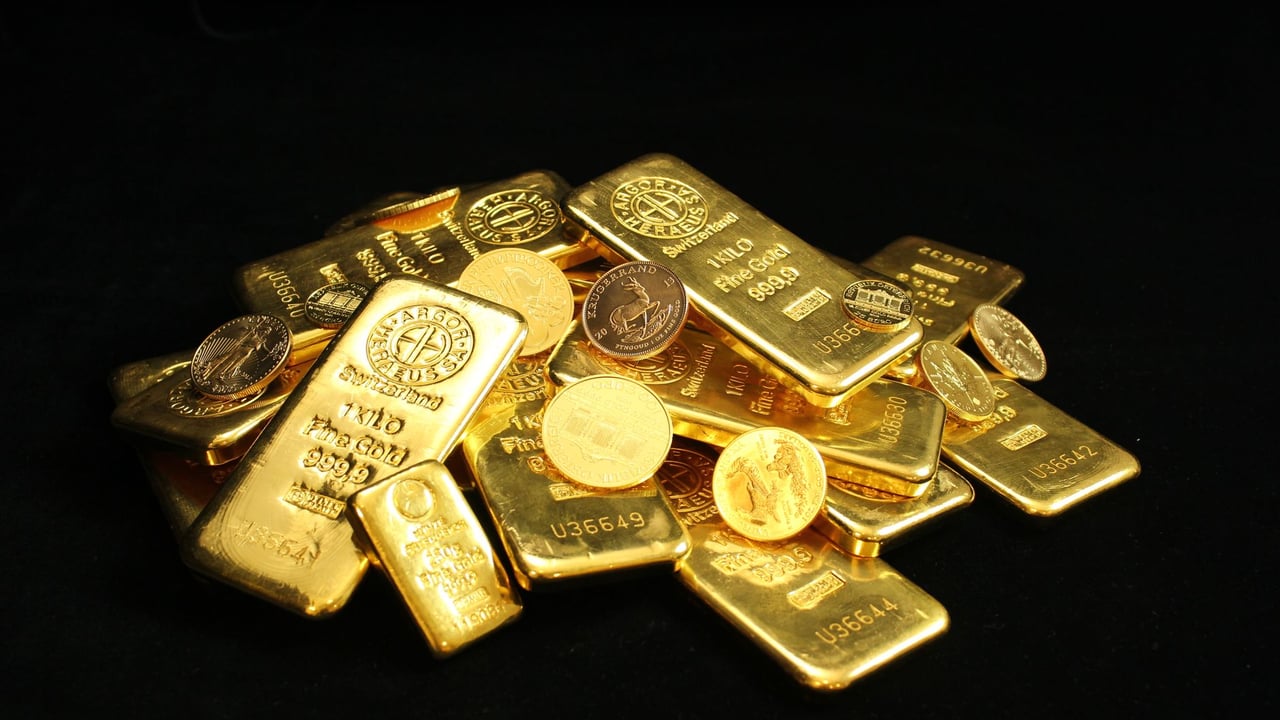

The gold market, long celebrated as the ultimate safe haven, has undergone a jarring reversal in the first half of 2026. After reaching a historic peak of $5,598.75 per ounce on January 29, the international spot price for London gold plummeted, breaking below the $3,950 mark by June 30. This retreat represents a staggering 30% peak-to-trough decline, effectively wiping out nearly $1,600 in value and leaving early-year investors facing deep paper losses.
The initial surge was fueled by optimistic bets that the U.S. Federal Reserve would slash interest rates multiple times this year, coupled with a relentless gold-buying spree by global central banks. However, the narrative shifted abruptly as regional conflicts and surging oil prices reignited inflation fears, forcing the Fed to abandon its dovish stance. By late June, the market was no longer pricing in cuts, but rather contemplating the possibility of further hikes, triggering a mass exodus of speculative capital.
In China, the world’s largest gold consumer, the impact has been equally profound. The benchmark Au99.99 contract on the Shanghai Gold Exchange fell from a high of 1,256 RMB per gram to 860 RMB, a drop of nearly 30%. Retail consumers who queued up to buy gold jewelry during the late 2025 frenzy now find their assets worth significantly less, with major brands like Chow Tai Fook slashing gold prices by over 500 RMB per gram compared to their January peaks.
Despite the carnage, seasoned analysts argue that the fundamental pillars of the gold bull market remain unshaken. Strategic analysts at Oriental Fortune point out that a 20% to 30% correction is a historical norm within long-term upward cycles, citing the 2009-2011 period as a precedent. They maintain that as long as the global trend toward de-dollarization and massive central bank purchasing persists, the current dip represents a valuation reset rather than a structural collapse.
Wall Street has turned tactically cautious, with Goldman Sachs and Deutsche Bank significantly lowering their year-end price targets. While the $4,000 level is expected to serve as a critical psychological support zone, a return to the $5,000 threshold likely requires a fresh systemic catalyst, such as a definitive pivot in monetary policy or a major geopolitical escalation. For now, the gold market sits at an uncertain crossroads, shifting from a speculative sprint to a period of volatile consolidation.