
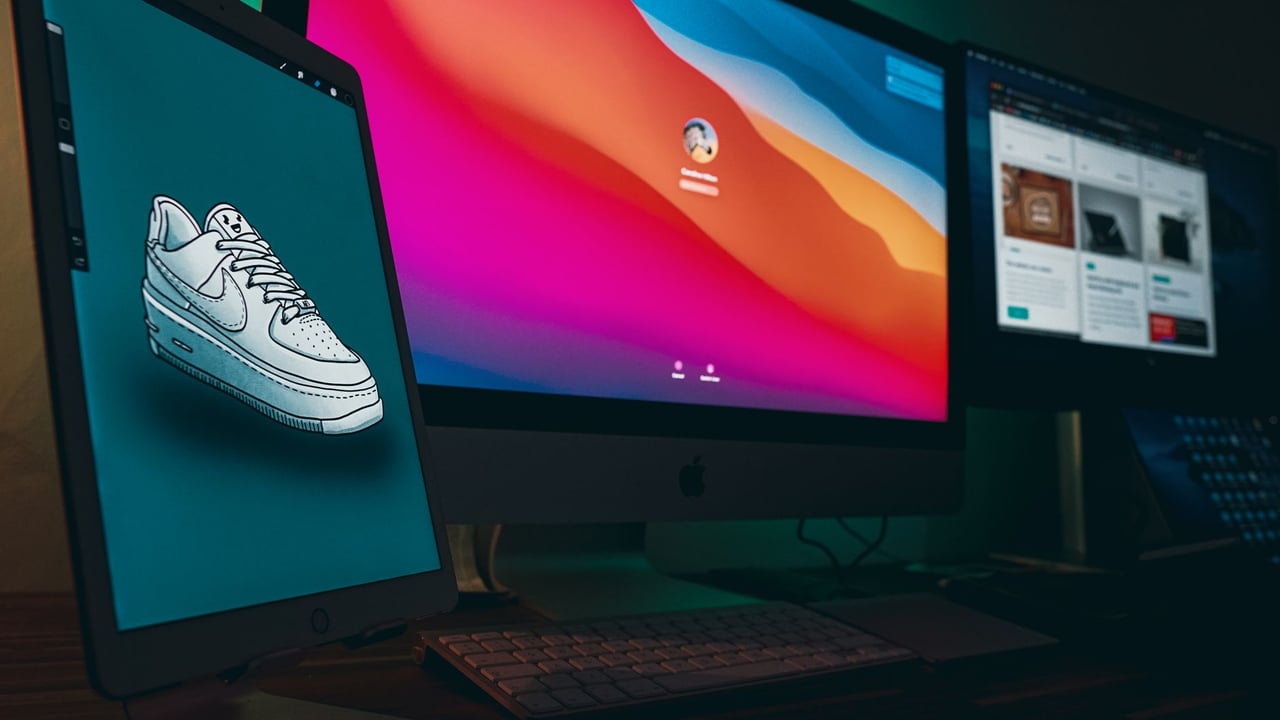

As Apple navigates an increasingly competitive landscape for high-performance mobile computing, the tech giant is reportedly preparing a significant hardware overhaul for 2027. Central to this strategy are four next-generation iPad Pro models, slated for a spring release, which aim to solve the long-standing issue of thermal throttling in ultra-thin form factors. By integrating vapor chamber cooling systems—a first for the tablet lineup—Apple intends to allow its silicon to maintain peak performance for longer durations, catering to professional workflows that have previously been hampered by heat constraints.
Simultaneously, the Cupertino-based company is looking to bridge the aesthetic and functional gap within its laptop portfolio. A redesigned 14-inch entry-level MacBook Pro is expected in the first half of 2027, borrowing design cues from high-end touch-enabled concepts that have long been the subject of industry speculation. This shift suggests a move toward a more unified hardware language, where the 'entry-level' Pro designation gains the premium allure of its more expensive siblings, potentially cannibalizing the high-end MacBook Air market while shoring up the Pro brand's prestige.
The most significant technological milestone, however, lies in the debut of the M7 chip. This seventh-generation silicon is expected to power the H1 2027 product cycle, representing a rapid acceleration of Apple’s chip-making cadence. Alongside the M7, Apple is rumored to be diversifying its mobile offerings with a second-generation iPhone Air and an entry-level iPhone 18, signaling an aggressive push to capture varied consumer segments from the ultra-premium to the value-conscious 'prosumer' demographic.
Despite these ambitious plans, Apple’s roadmap remains vulnerable to the volatile global semiconductor market. Ongoing constraints in memory supply and advanced node chip fabrication continue to pose a risk to launch timelines. While the internal testing phase for these 2027 models is well underway, the actual delivery to consumers will depend heavily on whether the supply chain can keep pace with Apple’s relentless appetite for cutting-edge components.