
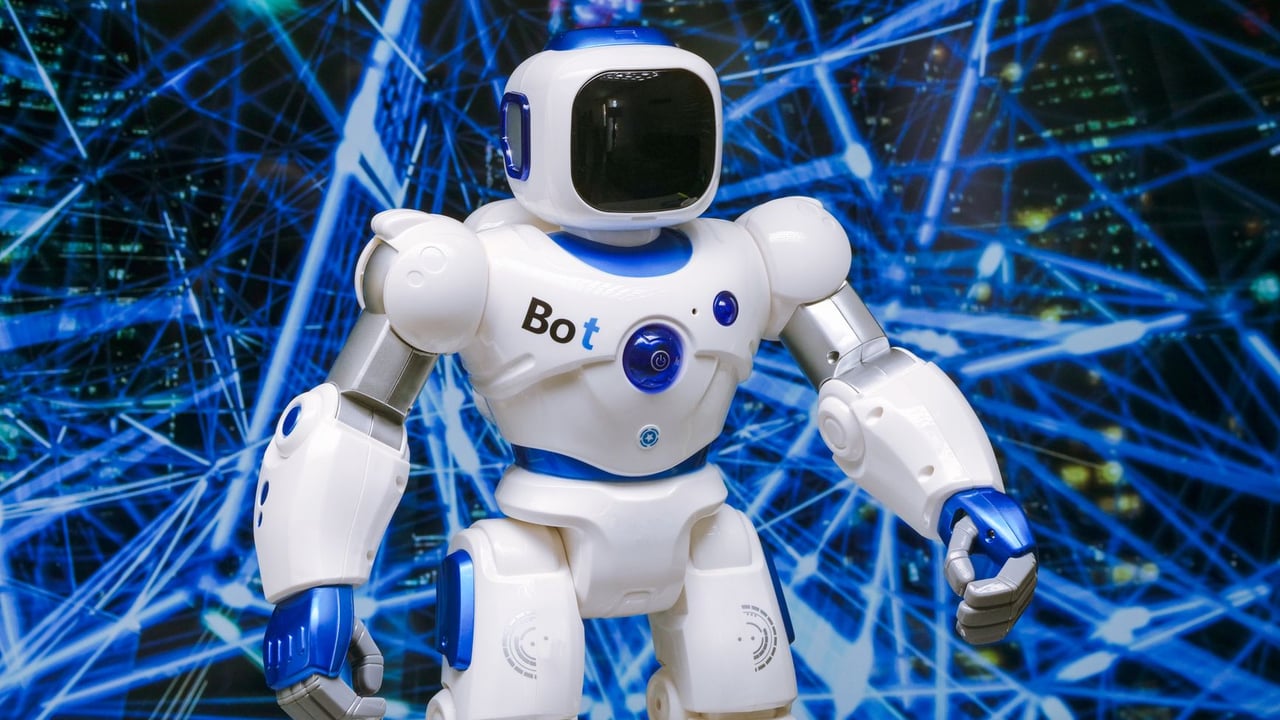

China’s industrial landscape is witnessing a profound structural shift as traditional manufacturing and real estate giants pivot toward high-stakes technology sectors. Leading this charge is Joyson Electronics, a veteran in the automotive safety and electronics space, which has announced plans to debut a suite of 'embodied AI' products at the 2026 World Artificial Intelligence Conference. These innovations include highly dexterous robotic hands, an 'AI brain' for autonomous agents, and semi-solid state batteries designed to power the next generation of robots and low-altitude aircraft.
This diversification strategy reflects a broader trend among Chinese manufacturers seeking new growth engines beyond the maturing electric vehicle and consumer electronics markets. By leveraging its background in automotive-grade precision manufacturing, Joyson is attempting to solve two of the most persistent bottlenecks in robotics: the need for fine-motor control and high-density, safe energy storage. Success in these areas would position the firm at the center of China’s push for 'new productive forces,' a state-led initiative to dominate the global high-tech supply chain.
Simultaneously, the digital infrastructure supporting these innovations is entering a more mature, cost-conscious phase. Tencent Cloud recently announced the termination of free GPU tiers for its cloud-native development services, effective August 2026. This move signals the end of the subsidized 'land grab' era in China’s AI sector, where tech giants offered free compute to lure developers. As GPU resources remain globally constrained and domestically expensive, cloud providers are prioritizing profitability and resource optimization over sheer user growth.
Meanwhile, in the beleaguered real estate sector, local governments are encouraging a technological metamorphosis to save struggling developers. The city of Chongqing has proposed new guidelines urging property firms to expand into construction robotics and smart home systems as part of its 'Fifteenth Five-Year' planning. This policy shift aims to transform traditional 'home builders' into 'lifestyle scene creators,' addressing labor shortages in the construction industry while creating a new market for domestic automation technologies.
These developments collectively illustrate a coordinated effort across Chinese industry to integrate hardware with advanced intelligence. Whether through Joyson’s robotic dexterity, Tencent’s commercialized compute, or Chongqing’s automated construction, the focus has shifted from speculative software to the 'physicality' of AI. The success of this transition will depend on whether these firms can balance high R&D costs with the practical demands of large-scale commercial deployment.