
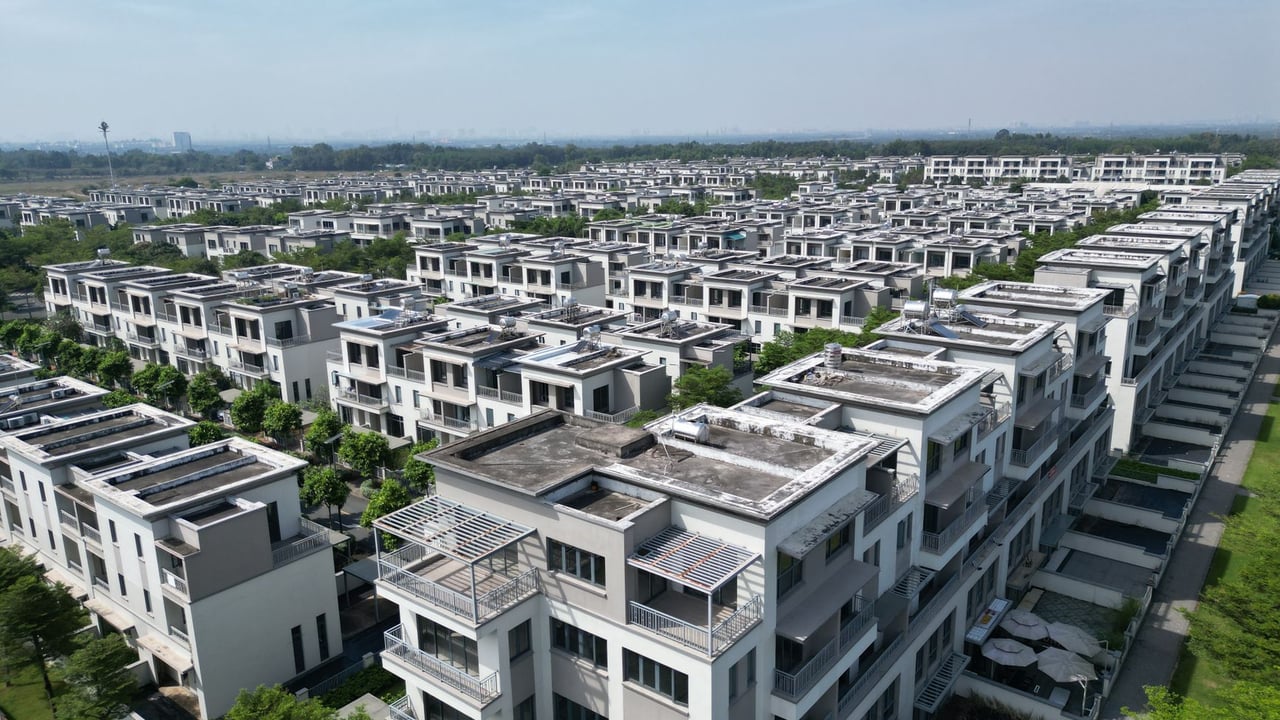

In the first half of 2026, Hangzhou’s real estate market unveiled a striking paradox that reflects the deepening fragmentation of China’s urban economy. While the broader national property sector continues to grapple with a multi-year slump, Hangzhou’s ultra-luxury segment has surged to a ten-year high. Over 700 residential units priced above 20 million RMB (approximately $2.75 million) were sold, signaling that the city’s wealthiest residents are decoupling from the wider economic malaise.
This appetite for premium assets is not merely a byproduct of policy stimulus but a fundamental shift toward high-quality, self-use residential demand. While total new home sales volume actually declined by 12% year-on-year, the average transaction price has climbed. This statistical rise is driven primarily by the "Six Dragons of Luxury Housing"—a cluster of high-end projects in core districts like Qianjiang Century City that have dominated the sales charts and skewed average valuations upward.
Contrasting this luxury boom is the sobering reality of the secondary market, where a distinct K-shaped recovery is taking shape. More than half of all pre-owned home sales now fall under the 2 million RMB price point, as first-time buyers and the middle class gravitate toward affordability. This widening gulf between the trophy assets of the elite and the utilitarian housing of the masses suggests that Hangzhou’s market is no longer a monolith, but a bifurcated landscape of disparate fortunes.
The battle for land reflects this strategic pivot toward the affluent. Developers are engaging in fierce bidding wars for core urban plots, with one notable parcel in the Binjiang district attracting 243 rounds of bidding and a 79% premium. Major players like China Merchants Property Development and Greentown are increasingly focusing on low-density, high-premium projects, betting that the only safe harbor in today’s volatile market is the "improvement" segment where buyers are less sensitive to interest rates.
However, analysts warn that this concentration at the top may be reaching a temporary saturation point. Leading indicators, including platform inquiries and property viewings, have begun to soften as the market enters the traditional summer lull. While the luxury peak of 2026 demonstrates the immense liquidity remaining in China’s tech hubs, the upcoming months will test whether this high-end fervor can be sustained without a broader recovery in consumer confidence across all segments.