China Signals the End of the 'Free Ride' as EV Tax Exemptions Phase Out

China is set to cancel vehicle and vessel tax exemptions for new energy vehicles starting next year, marking a significant shift toward policy parity between electric and internal combustion vehicles. While the cost to consumers is minimal, the move signals the end of the heavy subsidy era for the world's largest EV market.

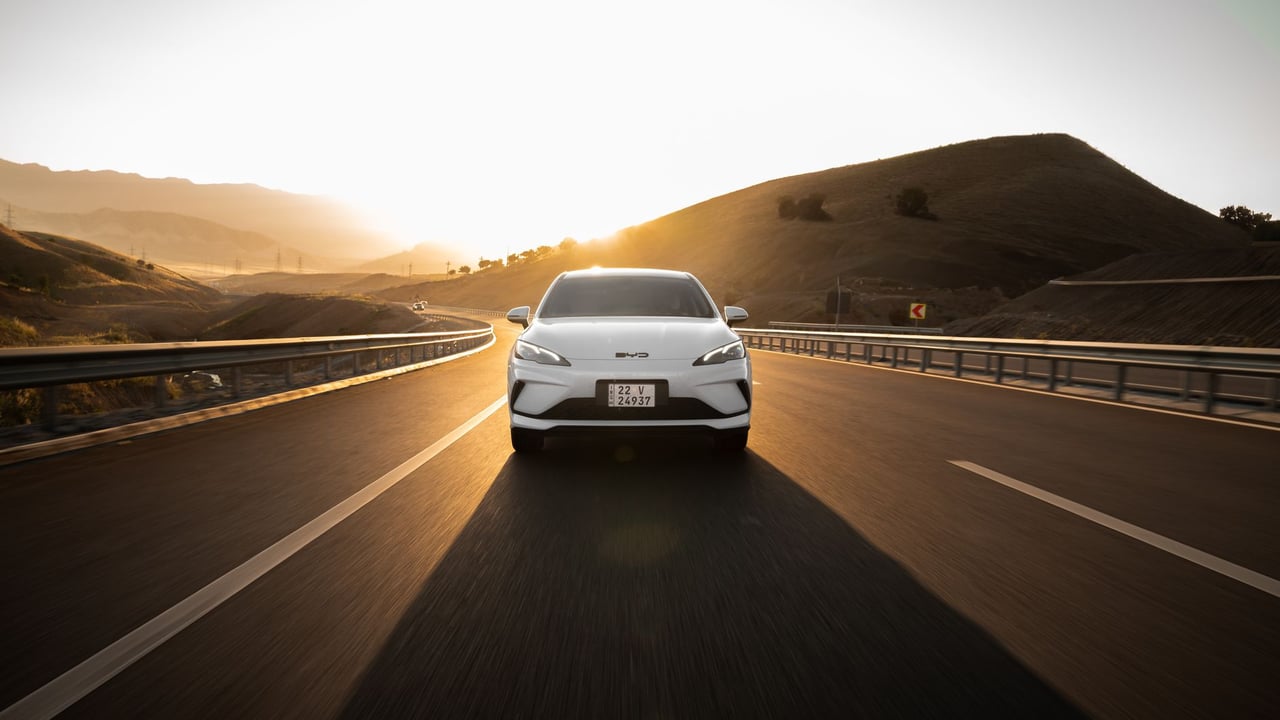
Electric car driving on a scenic highway at sunset, highlighting modern automotive design and sustainable travel.

Key Takeaways

  • 1New energy vehicle (NEV) tax exemptions for vehicle and vessel taxes will be officially abolished starting in 2027.
  • 2The policy change affects pure electric commercial vehicles, plug-in hybrids (PHEVs), and energy-saving cars.
  • 3Experts estimate the annual tax cost for owners will be low, ranging from a few hundred to a thousand yuan.
  • 4The shift aims to achieve 'oil and electricity equality,' forcing EV makers to compete without heavy policy bias.
  • 5This move is part of a broader consolidation effort to ensure the sustainable and healthy development of the domestic auto industry.

Editor's
Desk

Strategic Analysis

This policy adjustment represents a critical inflection point in China’s industrial strategy. For years, the 'green' label was a golden ticket for tax avoidance, but as NEVs become the default choice for Chinese consumers, the state can no longer afford the fiscal leakage. By introducing these taxes now, Beijing is managing a 'soft landing' for the end of the subsidy era. The strategic intent is twofold: first, to stabilize local government revenues that have been hollowed out by the decline of gasoline car sales; and second, to trigger a market shakeout. Only firms with the thinnest margins and the best economies of scale—like BYD and Xiaomi—will emerge unscathed, while smaller, subsidy-dependent startups will likely face an existential crisis.

China Daily Brief Editorial
Strategic Insight
China Daily Brief

China’s long-standing policy of coddling the electric vehicle sector is entering a new phase of sobriety. Starting next year, the government will officially terminate the tax exemptions for vehicle and vessel taxes on new energy vehicles (NEVs), including pure electric commercial vehicles and plug-in hybrids. While the financial burden on individual car owners remains relatively light—estimated at just a few hundred yuan annually—the symbolic weight of the decision is immense.

For over a decade, Beijing has used a carrot-and-stick approach to build the world’s largest EV market from scratch. By providing aggressive tax breaks and direct subsidies, they successfully tilted the scales in favor of domestic manufacturers. However, with NEV penetration rates now consistently hitting record highs, the central government is pivoting toward a strategy of 'oil and electricity equality,' seeking to level the playing field between traditional internal combustion engines and their electric counterparts.

Industry experts suggest that this policy shift is less about generating immediate tax revenue and more about guiding the industry toward 'healthy development.' By removing the training wheels of perpetual tax relief, Beijing is signaling that the NEV sector must now compete on its own merits. This move is expected to flush out weaker players who relied on policy arbitrage rather than technological innovation to survive in an increasingly crowded and cutthroat market.

Furthermore, the inclusion of plug-in hybrid electric vehicles (PHEVs) and commercial electric vehicles in this tax net highlights a broader fiscal normalization. As the sheer volume of NEVs on Chinese roads continues to swell, the government must address the eroding tax base traditionally supported by fuel-related levies. This transition reflects a mature market where electric mobility is no longer a niche alternative requiring protection, but the dominant standard for the future.

Share Article

Related Articles

📰
No related articles found