
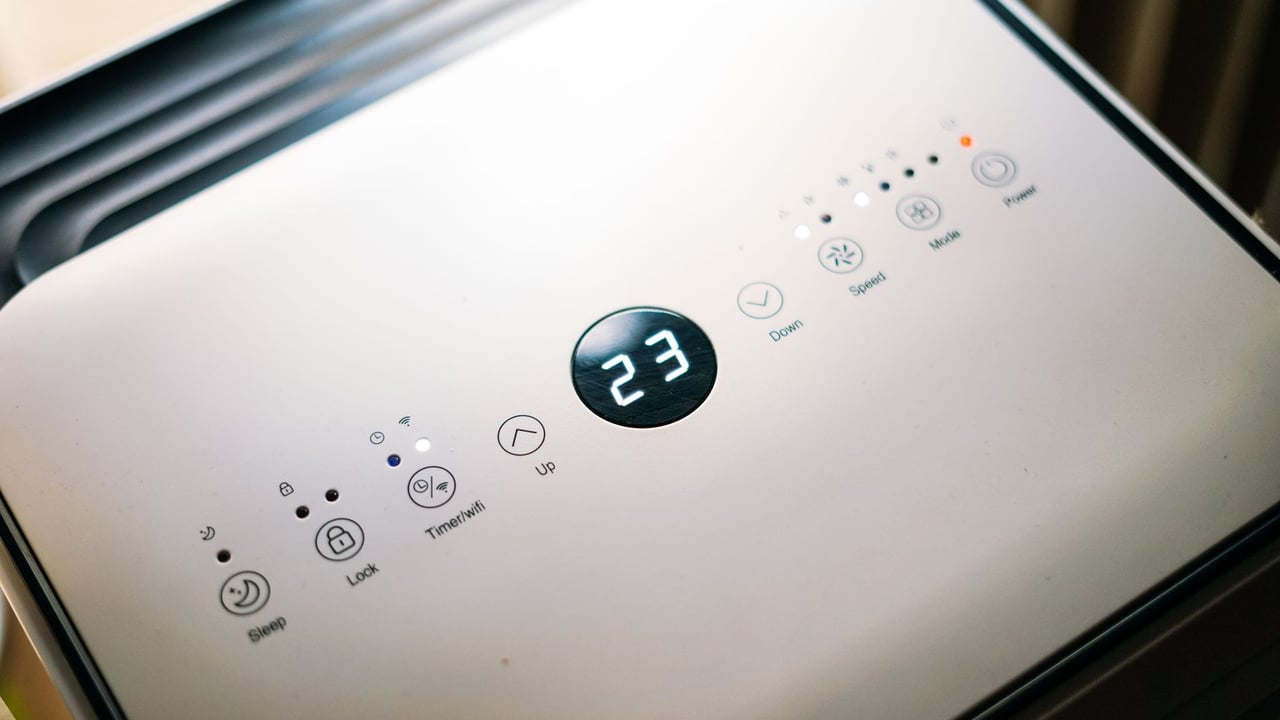

As record-breaking temperatures transform Europe from a temperate haven into a sweltering heat trap, the continent’s long-standing resistance to residential air conditioning is melting away. For Chinese appliance giants, this climate shift has transformed into a commercial windfall, with manufacturers reporting a surge in orders that has left local warehouses empty and production lines in China running around the clock. Companies like Gree Electric and TCL have confirmed that their regional stocks of portable air conditioners are completely exhausted, forcing an emergency restocking phase to meet the desperate demand.
The phenomenon is particularly pronounced in the portable segment. Unlike traditional split-system units that require permanent installation—often a legal and logistical nightmare in Europe’s historic residential buildings—portable units offer an immediate reprieve. Hisense representatives noted that sales have far exceeded even the most optimistic forecasts, leading to widespread stockouts. In response, the company has pivoted its manufacturing strategy, prioritizing European orders and implementing a grueling two-shift, 24-hour production schedule to bridge the supply gap.
This export boom comes at a critical juncture for the Chinese appliance industry. Domestically, the market is grappling with saturation and a high base of comparison from previous years, creating a growth ceiling that is difficult to break. By contrast, the European market represents a frontier of untapped potential. Industry analysts suggest that as the El Niño phenomenon increases the frequency of extreme weather events, the 'cooling culture' in Europe is shifting from a luxury to a survival necessity, providing a long-term growth trajectory for Chinese brands.
However, the surge is not without its challenges. The logistics of 'emergency restocking' across such a vast distance are complex and costly. Furthermore, as Chinese brands like Midea and Haier gain a stronger foothold in the European market, they are moving beyond simple price competition. They are now focusing on energy efficiency and smart-home integration to align with Europe’s stringent environmental regulations, effectively using the heatwave as a catalyst for a broader strategic pivot toward high-end global branding.