

China’s industrial landscape is undergoing a profound transformation as the central government doubles down on its 'New Productive Forces' agenda. The coming weeks are set to be a significant catalyst for two specific high-growth sectors: Embodied AI—the integration of physical robotics with advanced artificial intelligence—and the burgeoning commercial spaceflight industry. Both sectors are being framed by domestic analysts as 'trillion-yuan tracks' capable of anchoring the next decade of national economic growth and technological self-reliance.
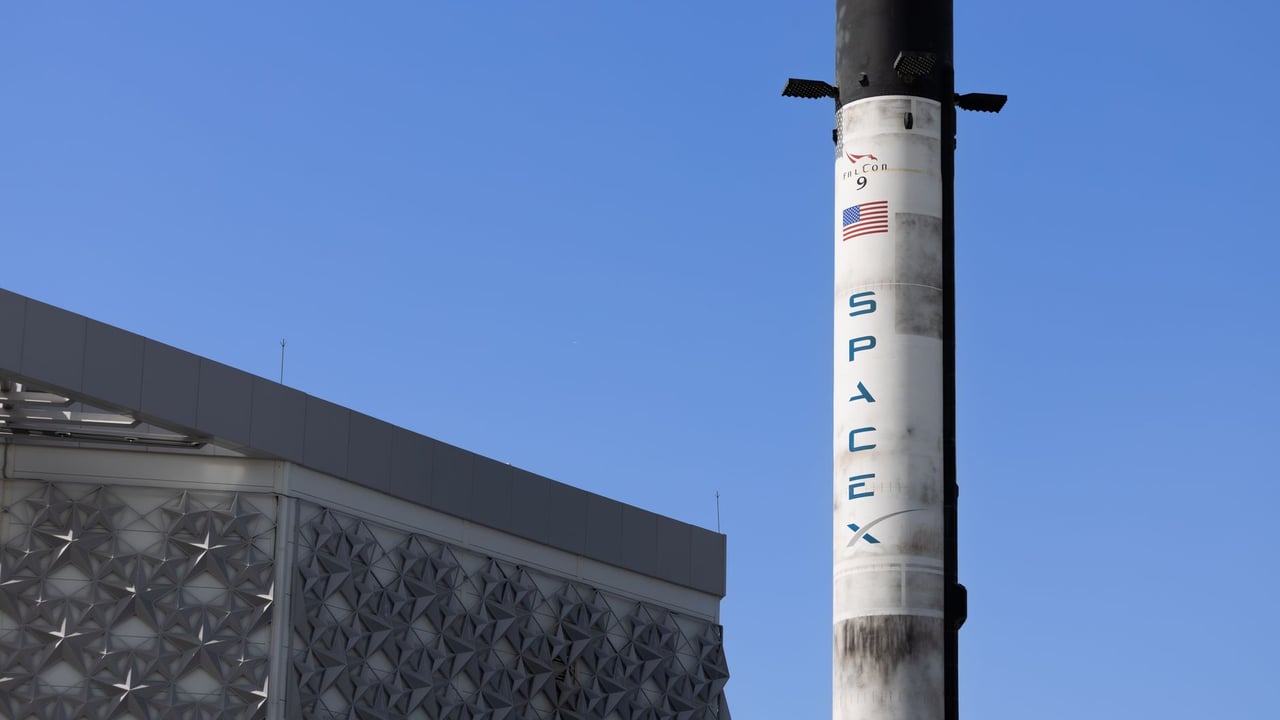
In the realm of commercial spaceflight, China is moving beyond the era of isolated experimental launches toward a mature, five-layered industrial chain. This ecosystem encompasses 'Space, Ground, Terminal, Rocket, and Application,' reflecting a push to mimic and eventually rival Western success stories like SpaceX. Strategic players such as Geespace, a subsidiary of the Geely Group, are reaching critical inflection points as they transition from mere satellite networking to large-scale commercialization and data monetization, signaling the start of what many call China’s 'Golden Decade' in orbit.
Simultaneously, the concept of Embodied AI is gaining traction as the next logical step in the evolution of large language models. By putting 'brains' into humanoid bodies and industrial robots, Chinese firms aim to automate complex manufacturing and service tasks that were previously unreachable. This shift is not merely about software; it is a massive hardware play that leverages China’s existing dominance in electronics supply chains to produce actuators, sensors, and high-precision components at a scale and cost-efficiency that international competitors may find difficult to match.
Market sentiment suggests that the focus is shifting away from traditional sectors like real estate toward these 'zero-to-one' technological breakthroughs. As internal competition intensifies within the electric vehicle and consumer electronics markets, giants like Xiaomi and Leapmotor are increasingly looking toward these high-tech frontiers to maintain their valuations. The integration of AI with physical hardware and the expansion of sovereign satellite constellations represent the two pillars of China’s strategy to insulate itself from external technological pressures while securing a lead in the fourth industrial revolution.