
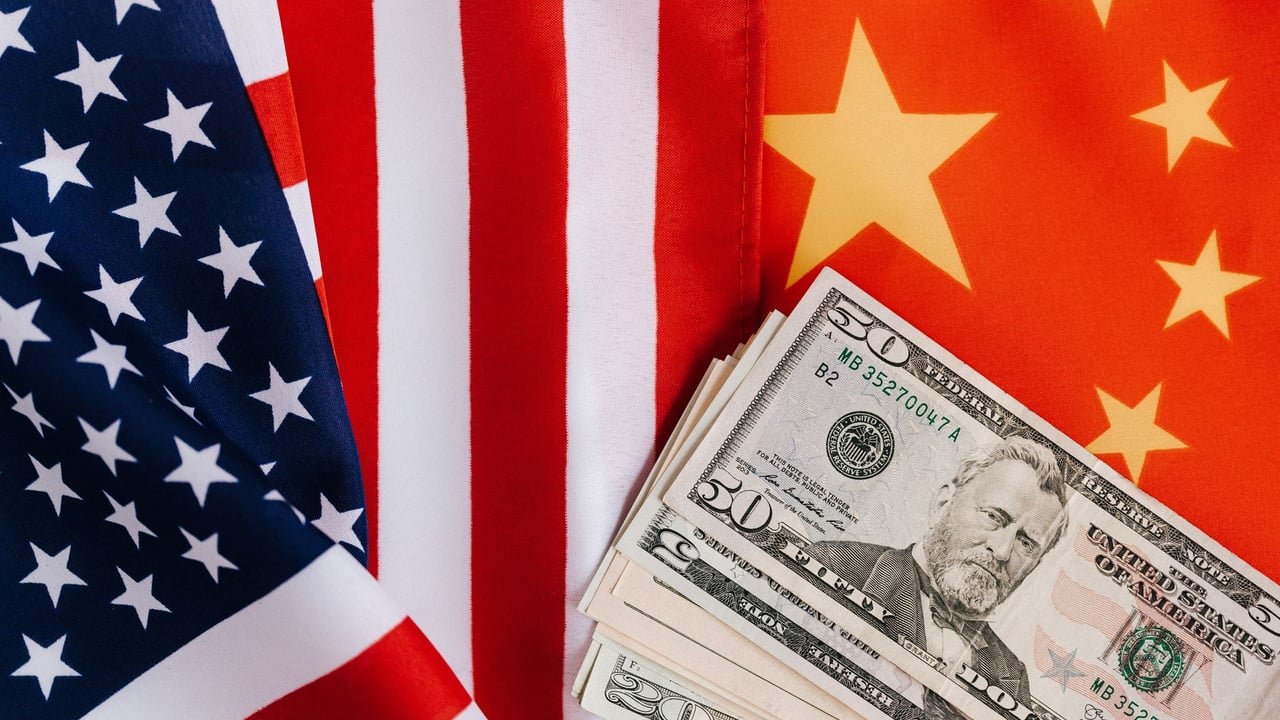

The arrival of Donald Trump in Beijing on May 13, 2026, marked a stark departure from the bellicose rhetoric that defined his first term. In a series of high-level dialogues analyzed by Chinese scholars Zhai Dongsheng and Ding Yifan, the American president exhibited a level of restraint and 'ritualistic' decorum that surprised global observers. This shift is not merely stylistic but reflects a fundamental realignment of power between the world’s two largest economies, characterized by what Chinese analysts call 'constructive strategic stability.'
At the heart of this new rapport is the '3B' framework—Beef, Beans, and Boeing. In exchange for China’s resumption of large-scale agricultural and aerospace purchases, the U.S. has agreed to establish joint trade and investment councils reminiscent of the Cold War-era coordination committees. This arrangement signals a mutual recognition that neither power can 'destroy' the other economically without self-immolating, leading to a calculated de-escalation of the trade wars that have raged for nearly a decade.
The underlying driver of this American restraint appears to be a mounting fiscal crisis in Washington. With the U.S. federal debt ballooning toward $40 trillion and annual interest payments eclipsing the national defense budget, the Trump administration’s room for maneuver has narrowed significantly. Ding Yifan notes that while the U.S. remains a formidable financial power, China’s industrial output is now 2.5 times that of the United States, creating a physical economic reality that financial leverage can no longer overcome.
Further complicating the American position is the visible erosion of the 'Petrodollar' system. Recent moves by Iran to demand yuan for oil shipments through the Strait of Hormuz represent a direct challenge to the dollar’s global hegemony. This shift, combined with the U.S. Treasury’s recent efforts to discourage Japan from liquidating its Treasury holdings to save the yen, suggests that the internal pillars of the American financial empire are beginning to crack.
Ultimately, the 2026 summit serves as a symbolic end to the era of absolute American primacy. The anecdote of a senior U.S. official writing 'God bless America and China' on a notepad captures the zeitgeist of a world transitioning toward multipolarity. As the U.S. pursues strategic contraction and a 'soft dollar' policy, the international order is entering a period of profound restructuring where Beijing is no longer a junior partner, but a co-architect of global stability.