
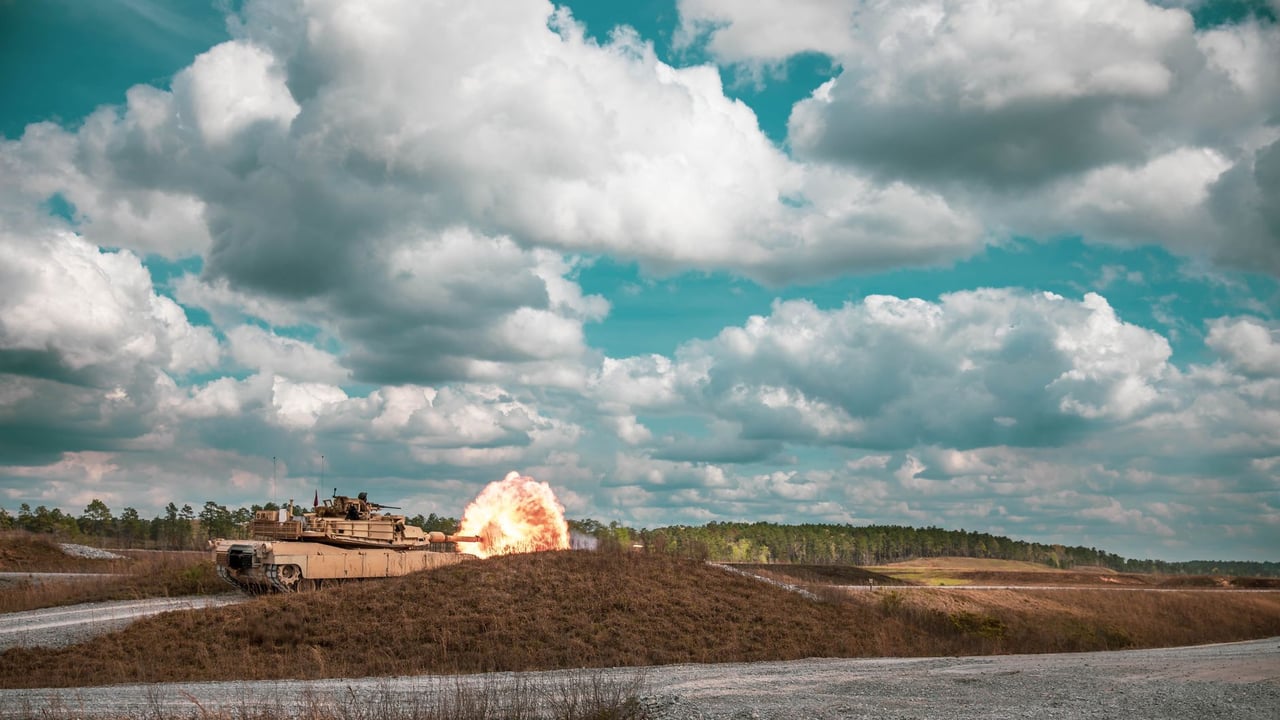

The arrival of the first batch of M1A2T Abrams main battle tanks in Taiwan marks a significant, if contentious, milestone in the island’s defensive modernization. For Taipei, these armored vehicles represent a vital upgrade over their aging M60A3 and CM-11 fleets, intended to serve as a mobile reserve against potential amphibious incursions. However, the optics of this procurement have sparked a fierce rhetorical response from Beijing, which dismisses the hardware as overpriced and technologically downgraded.
Critics in mainland China frequently point to the absence of the U.S. military’s proprietary depleted uranium armor in export models as evidence of a diminished platform. While this export restriction is standard U.S. policy for all foreign allies, the narrative within Chinese state-adjacent media emphasizes that these 63-ton behemoths will struggle to survive in the increasingly dense anti-access/area-denial environment of the Taiwan Strait. The concern is that these tanks, originally designed for different theaters, may find themselves constrained by Taiwan’s urbanized and mountainous terrain.
Furthermore, the tactical utility of heavy armor is being questioned in the wake of lessons learned from recent global conflicts. The proliferation of low-cost loitering munitions and sophisticated anti-tank guided missiles suggests that even the most advanced armor can be neutralized by relatively inexpensive means. Beijing’s military analysts argue that without total air superiority, Taiwan’s new tanks risk becoming vulnerable targets for the People’s Liberation Army’s vast drone fleet and precision-guided artillery.
The underlying tension behind these deliveries is not merely technical but deeply psychological. By preparing for what some voices describe as a decisive final battle, Taiwan is signaling its commitment to a high-cost defense strategy. Yet, as the PLA continues to modernize its amphibious and aerial capabilities, the effectiveness of traditional heavy armor remains a central point of debate in the shifting landscape of cross-strait security.