NATO’s Fiscal Frontier: The Push for a 5% Defense Mandate in Ankara

NATO Secretary General Mark Rutte is urging member states to finalize credible plans to increase defense spending to 5% of GDP by 2035. During a summit in Ankara, Rutte stressed the need to prioritize investments in missile defense systems to match the alliance's economic weight with military capability.

Share
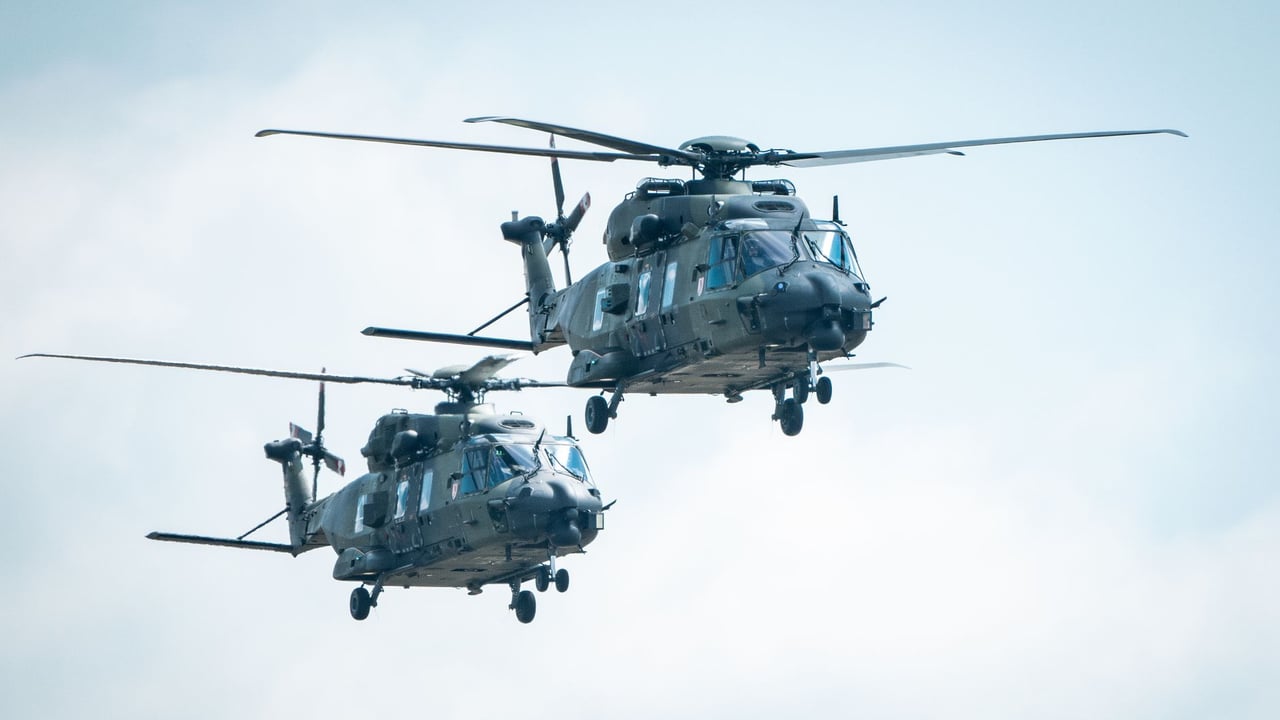
Two military helicopters flying in the sky, showcasing aviation technology.

Key Takeaways

  • 1NATO Secretary General Mark Rutte is enforcing a 5% GDP defense spending target to be met by 2035.
  • 2The Ankara summit requires members to present clear and credible fiscal plans to achieve this goal.
  • 3Investment priorities are being shifted specifically toward missile defense and interceptor technologies.
  • 4Significant internal divisions remain within NATO regarding the feasibility and implementation of these spending hikes.

Editor's
Desk

Strategic Analysis

The shift toward a 5% GDP target marks the definitive end of the 'peace dividend' era for Europe and North America. By more than doubling the previous standard, NATO is effectively transitioning to a 'total defense' economic footing not seen since the height of the Cold War. The emphasis on missile systems suggests that the alliance views aerial and space-based threats as its primary vulnerability. However, the 'internal friction' mentioned in the reports likely points to a widening gap between frontline states—who see the 5% target as an existential necessity—and those in the European interior who are struggling with stagnant growth and aging populations. If this target becomes a requirement for membership relevance, we may see a fundamental restructuring of how NATO burdens are shared, potentially leading to a more polarized or fragmented alliance.

China Daily Brief Editorial
Strategic Insight
China Daily Brief

In a move that signals a paradigm shift for transatlantic security, NATO Secretary General Mark Rutte has issued a stern directive to member states during his visit to Ankara. The Secretary General is demanding that the alliance move beyond rhetoric and deliver concrete, actionable plans to raise defense spending to a staggering 5% of Gross Domestic Product by 2035.

Speaking at a high-profile press conference in the Turkish capital, Rutte emphasized that the alliance’s vast economic power must be more effectively weaponized. The transition from the previous 2% benchmark to a 5% target represents a historical pivot, reflecting the heightened threat environment that has redefined global security since the mid-2020s.

The strategic focus of this new spending surge is not merely on troop numbers but on high-end technological dominance. Rutte highlighted missile defense and advanced interceptor systems as the primary recipients of this expanded funding, arguing that these capabilities are non-negotiable for modern deterrence in an era of precision-guided warfare.

However, the path toward this ambitious goal is obscured by significant internal friction. While the target was nominally agreed upon during the 2025 NATO Summit, the practicalities of implementation remain a source of deep division. Many member states face the daunting task of reconciling these military demands with domestic pressures and strained public coffers, threatening to create a multi-speed alliance.

Related Articles

📰
No related articles found