Peak Performance, Peak Anxiety: Why Markets Are Soured on the Memory Super-Cycle

A global sell-off in memory stocks despite record earnings suggests that the market believes the AI-driven 'super-cycle' has hit its peak. Investors are shifting focus from immediate profit growth to long-term sustainability as component inflation begins to impact downstream tech giants and consumer pricing.

Share
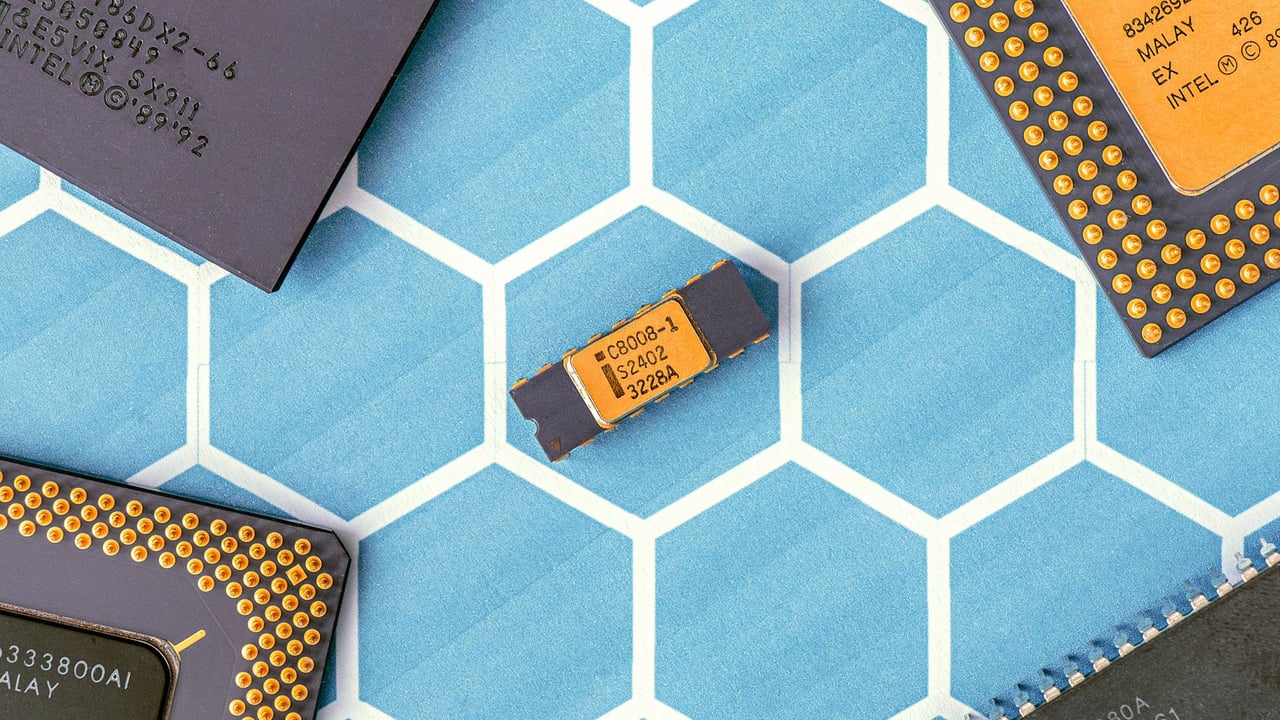
Close-up of various microprocessor chips on a blue hexagonal patterned surface, highlighting electronic technology.

Key Takeaways

  • 1Samsung’s 19-fold profit growth failed to prevent a stock drop, highlighting a disconnect between earnings and investor sentiment.
  • 2Morgan Stanley warns the memory industry has reached its 'peak rate of change' regarding price growth and EPS revisions.
  • 3Component inflation is pressuring downstream giants like Apple, which may lead to higher consumer prices and curb hardware demand.
  • 4Market focus has shifted to whether hyperscale cloud providers can maintain their current levels of capital expenditure.
  • 5Analysts fear memory stocks are entering a period of sideways trading despite strong underlying company fundamentals.

Editor's
Desk

Strategic Analysis

The memory market's current volatility reflects a classic 'priced-to-perfection' dilemma. In the semiconductor world, a cyclical peak is often heralded not by a drop in demand, but by the realization that the most aggressive growth phase has passed. As memory prices begin to pinch the margins of tech giants and consumers alike, we are entering a phase of 'cost-push' friction. The real test for the sector will not be found in quarterly earnings beats, but in whether AI applications can generate enough tangible ROI to justify the continued high price of their foundational hardware. If the 'AI tax' becomes too high for the broader economy, the memory cycle will face a much harder landing than investors currently anticipate.

China Daily Brief Editorial
Strategic Insight
China Daily Brief

The global memory sector is currently navigating a paradoxical 'success crisis.' Despite Samsung reporting a nearly 15-fold increase in quarterly operating profit, its shares plummeted alongside industry peers like Micron and Western Digital during recent trading sessions. This widespread sell-off signals a pivotal shift in investor psychology: the market is no longer cheering high numbers, but rather fearing that the summit of the current semiconductor 'super-cycle' has already been reached.

Financial heavyweights, including Morgan Stanley and Baird, suggest that the 'rate of change' for memory prices has hit its zenith. As DRAM prices stabilize and inventory levels normalize, the explosive growth that characterized the early AI boom is losing its momentum. This transition from a supply-constrained windfall to a more mature, price-sensitive environment is creating significant turbulence for semiconductor portfolios as investors rotate away from previous winners.

A critical tension is emerging between rising component costs and end-user demand elasticity. Apple's recent signals regarding potential price hikes for the iPhone indicate that 'component inflation' is finally reaching the consumer doorstep. If hyperscale cloud providers cannot pass these surging hardware costs onto their own clients, their willingness to sustain massive capital expenditures on AI infrastructure may reach a breaking point, potentially stalling the cycle until a new equilibrium is found near 2028.

Analysts are increasingly observing a phenomenon where the industry is trapped in a pessimistic feedback loop. Whether earnings beat or miss expectations, the market narrative remains focused on sustainability or eventual decline. This decoupling—where record-breaking fundamentals fail to move the needle on stock prices—suggests that the market has already priced in the best-case scenario for the AI revolution, leaving little room for further upside in the near term.

Related Articles

📰
No related articles found