
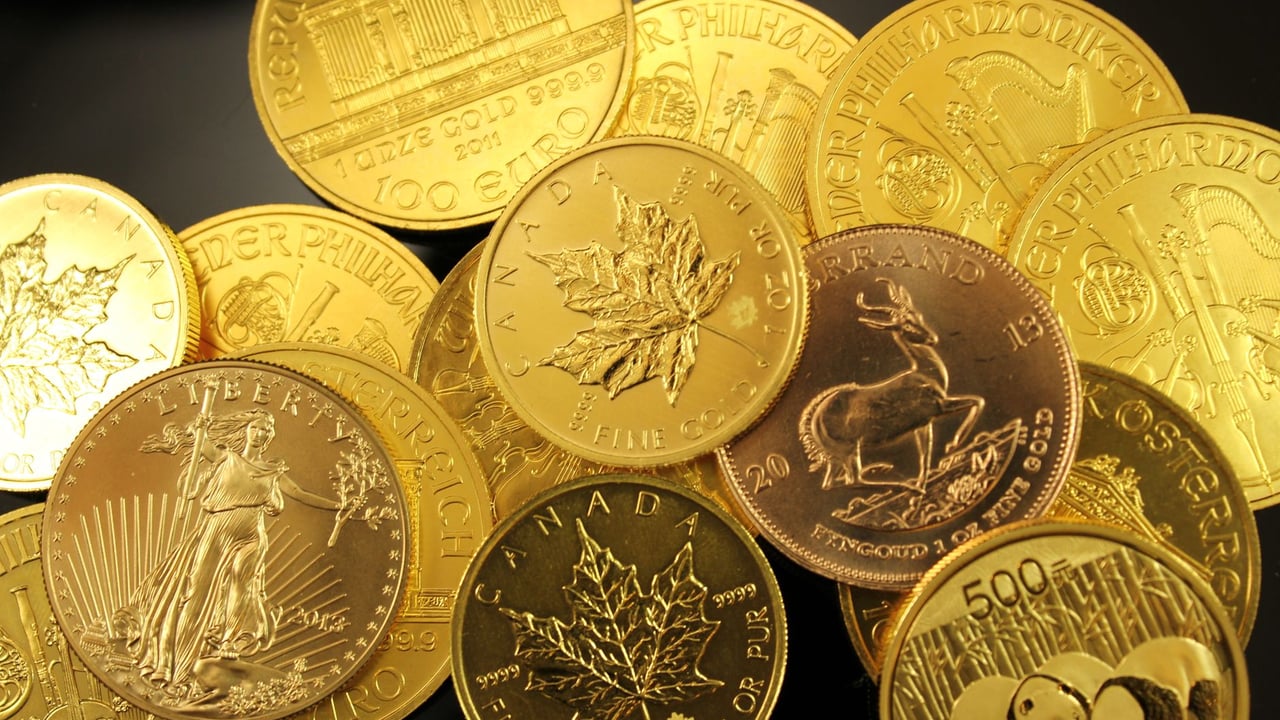

For 20 consecutive months, the People’s Bank of China (PBOC) has been on an unrelenting gold-buying spree, a move that signals a profound shift in Beijing’s approach to national financial security. As of the end of June 2026, China’s gold reserves reached 75.44 million ounces, marking an increase of 480,000 ounces from the previous month. This acceleration in purchasing—up from 160,000 ounces in March—suggests that China is not merely diversifying its portfolio but is aggressively building a defensive bulwark against global macroeconomic volatility.
The PBOC’s strategy in June was particularly telling: it 'bought the dip.' Despite a strengthening U.S. dollar and hawkish signals from the Federal Reserve that pushed gold prices below key psychological levels, China ramped up its acquisition pace. This contrarian move highlights a long-term strategic conviction that transcends short-term market fluctuations. By increasing its gold holdings while prices were under pressure from U.S. interest rate expectations, Beijing is effectively lowering its average cost while insulating its reserves from the 'valuation trap' of fiat currencies.
This trend is not isolated to China. A broader movement is sweeping through emerging markets as central banks seek to hedge against geopolitical instability and inflationary pressures. According to the World Gold Council’s 2026 survey, nearly 90% of central banks expect official gold reserves to continue growing globally. Emerging markets are leading this charge, driven by a desire to reach the Bank for International Settlements’ suggested gold-to-reserve ratio of 20%, a benchmark many developing nations currently fall short of.
Beyond simple asset diversification, the PBOC’s golden marathon is inextricably linked to the internationalization of the Renminbi. By backing its financial system with a larger proportion of 'hard' assets, China enhances the credibility of its currency on the global stage. This reduces reliance on the U.S. dollar-denominated financial architecture, which many in Beijing view as an increasingly weaponized or unstable tool of Western foreign policy. Gold offers a measure of sovereignty that U.S. Treasuries, subject to sanctions and political whims, cannot match.
Despite the aggressive shift toward gold, China’s broader foreign exchange reserves remain a formidable pillar of stability. Standing at over $3.4 trillion, the slight dip in June was largely a technical result of valuation effects—the 'denominator effect' of a surging U.S. dollar—rather than a fundamental capital flight. Analysts suggest that as long as China maintains this massive cushion, it can comfortably weather external shocks while continuing its steady pivot toward a more gold-centric reserve structure that favors long-term resilience over short-term yield.