
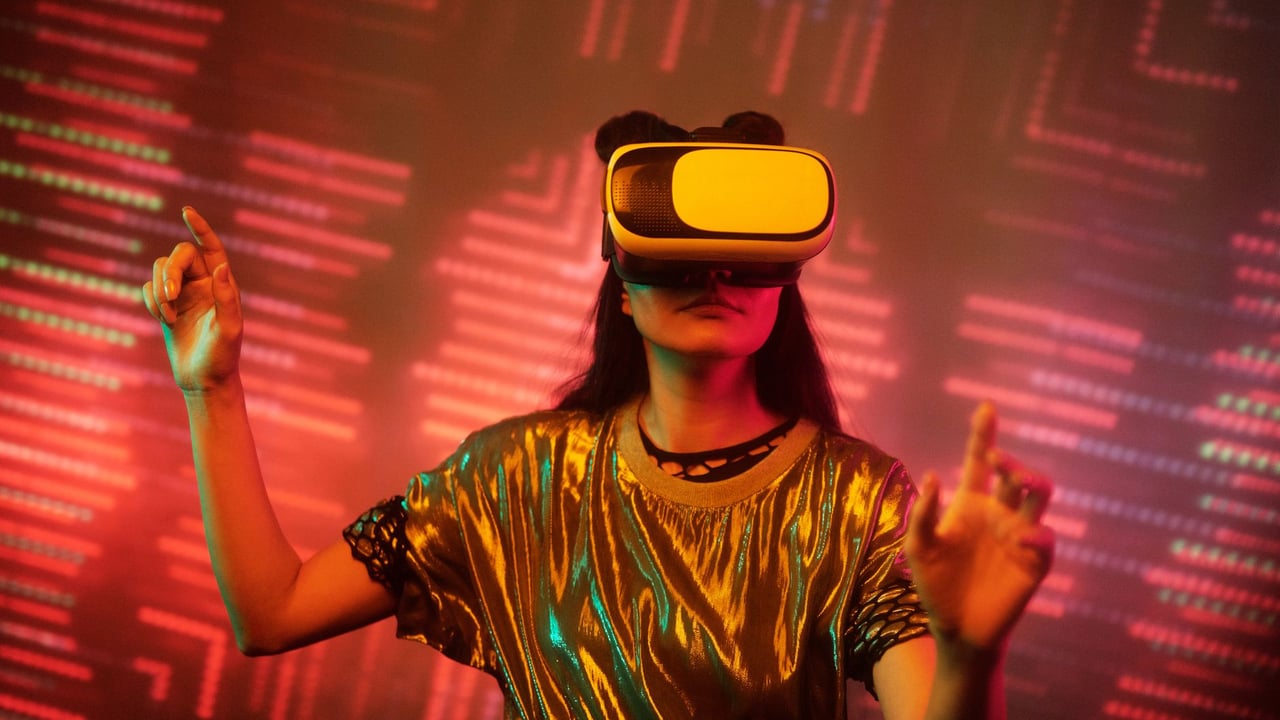

Meta is reportedly testing a new prototype of AI-powered glasses equipped with what the company calls 'Super Perception' capabilities. Unlike current smart glasses that require manual activation to record, this new hardware is designed for constant environmental awareness. The device features a camera and microphone array capable of capturing snapshots every few seconds and recording continuous audio streams, effectively digitizing the wearer’s entire sensory experience.
The core value proposition of the device lies in its integration with advanced artificial intelligence, allowing users to query their own history in real-time. By processing the constant stream of data, the AI acts as a surrogate memory, enabling wearers to ask questions like 'Where did I leave my keys?' or 'What did that person say ten minutes ago?' This move signals Meta’s ambition to move beyond social media and into the realm of 'ambient computing,' where technology is seamlessly woven into the fabric of daily life.
However, the project has ignited a firestorm of internal controversy at Meta’s Menlo Park headquarters. Critics within the company argue that the 'all-seeing, all-hearing' nature of the device presents insurmountable privacy challenges. While the wearer may consent to having their life recorded, the technology inevitably captures the images and voices of countless non-wearers who have no way to opt out of Meta’s data harvesting. This raises profound ethical questions about the normalization of passive surveillance in public and private spaces.
The development comes as the race for the next great computing platform intensifies. Chinese tech giants, including Huawei and Xiaomi, are already flooding the market with their own iterations of smart eyewear, though most have stopped short of the 'always-on' recording paradigm. As Meta pushes this boundary, it faces a looming collision with global regulators who are increasingly wary of how tech giants handle biometric and environmental data. The success of 'Super Perception' may depend less on its technical prowess and more on whether society is willing to trade the last vestiges of public anonymity for the convenience of digital total recall.