Silicon Independence: Apple’s $30 Billion Broadcom Deal and the Push for a Domestic Supply Chain

Apple has signed a $30 billion multi-year agreement with Broadcom to manufacture 15 billion custom chips and wireless components in the United States. The deal includes a $1.5 billion expansion of a Colorado production facility and serves as a major pillar of Apple's $600 billion domestic investment initiative.

Share
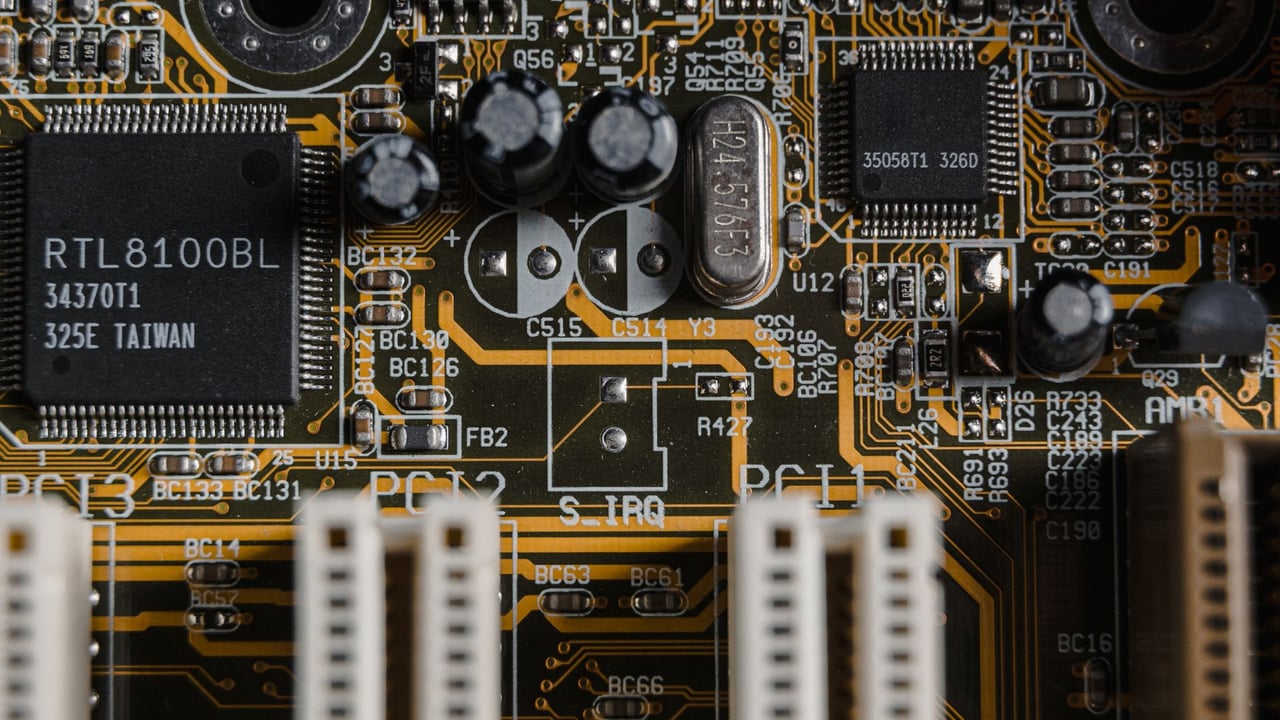
Detailed view of a motherboard with visible microchips and circuits.

Key Takeaways

  • 1Apple and Broadcom signed a landmark $30 billion agreement for US-based chip manufacturing.
  • 2Broadcom will produce over 15 billion chips, including advanced FBAR filters, at its Fort Collins facility.
  • 3The agreement includes a $1.5 billion investment to upgrade and expand domestic production capacity.
  • 4The move is part of Apple’s larger $600 billion commitment to the US economy and supply chain resilience.
  • 5The partnership focuses on advanced wireless connectivity and custom silicon for Apple's product ecosystem.

Editor's
Desk

Strategic Analysis

Apple’s $30 billion commitment to Broadcom is a strategic masterstroke that aligns corporate interests with national industrial policy. By financing the domestic production of high-performance radio frequency components, Apple is effectively de-risking its hardware stack from potential disruptions in the Asia-Pacific region. This move is not merely about 'Made in the USA' branding; it is about securing the proprietary technology—such as FBAR filters—that gives the iPhone its competitive edge in connectivity. As Washington continues to push for semiconductor self-sufficiency through the CHIPS Act and other incentives, Apple is positioning itself as the primary benefactor and architect of this new American silicon landscape, ensuring that its future growth is underpinned by domestic stability rather than global uncertainty.

China Daily Brief Editorial
Strategic Insight
China Daily Brief

In a decisive move to solidify its domestic hardware foundations, Apple has announced a multi-year, $30 billion partnership with Broadcom to design and manufacture advanced wireless components within the United States. This agreement represents one of the most significant steps in Apple’s long-term strategy to insulate its supply chain from global volatility. By prioritizing American-made silicon, the tech giant is shifting its manufacturing gravity back toward its home market.

Central to the deal is the production of over 15 billion chips, including sophisticated FBAR radio frequency filters and other wireless connectivity technologies. Broadcom is set to invest $1.5 billion into its Fort Collins, Colorado, facility to expand and upgrade production capacity. These components are critical for the next generation of 5G and 6G devices, ensuring that the hardware driving Apple’s connectivity is forged on American soil.

This partnership is a cornerstone of Apple’s broader pledge to invest $600 billion in the US economy over four years. While much of the tech industry remains tethered to overseas foundries, Apple is leveraging its massive capital reserves to foster a localized semiconductor ecosystem. The move not only supports high-tech employment but also creates a more resilient logistical network that is less susceptible to the geopolitical friction currently plaguing international trade.

By anchoring such a massive procurement contract domestically, Apple is signaling that the era of hyper-globalized, just-in-time manufacturing is evolving into a model of regional resilience. This shift acknowledges that technological sovereignty is becoming as important as cost-efficiency. As the race for semiconductor supremacy intensifies, the collaboration between Apple and Broadcom serves as a blueprint for how private capital can drive national industrial policy.

Related Articles

📰
No related articles found