

For decades, the Strait of Hormuz has served as the world’s most vital energy artery, allowing the free flow of nearly 20% of global oil and liquefied natural gas without the burden of transit tolls. However, a seismic shift in maritime norms is underway. Emerging from recent conflicts involving Iran, Israel, and the United States, a new proposal from Tehran and Muscat seeks to formalize a permanent charging system for vessels traversing this narrow gateway. This move threatens to upend the long-standing principle of 'transit passage' enshrined in international maritime law.
Oman and Iran are currently engaged in joint consultations to establish a new maritime security order. Omani officials have signaled to their European counterparts that the pre-war status quo is no longer tenable, prompting a deep dive into how other global chokepoints manage their traffic. While the United Nations Convention on the Law of the Sea (UNCLOS) prohibits coastal states from charging for simple passage through international straits, it does allow for 'service fees' related to navigation, security, and environmental protection. By rebranding tolls as essential service charges, regional powers aim to monetize their strategic geography.
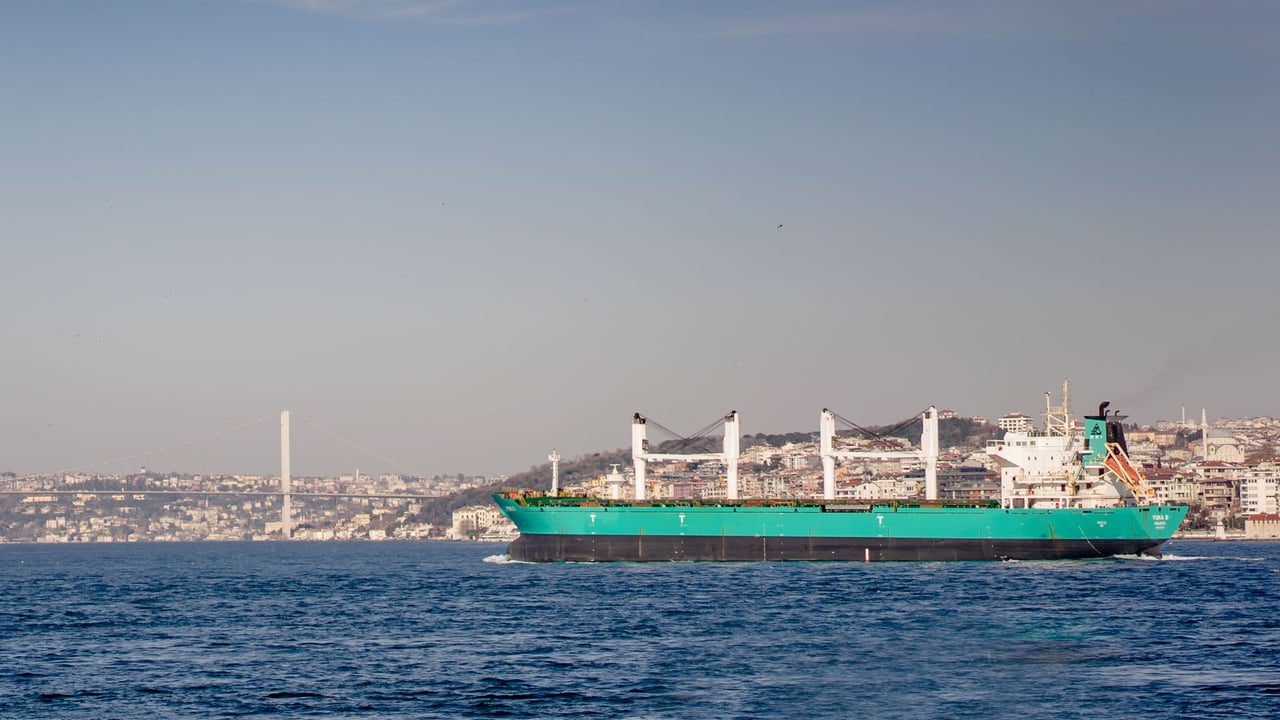
The implications of this precedent extend far beyond the Persian Gulf. In the Turkish Straits, service fees for lighthouse maintenance and rescue operations have already seen revenue jump six-fold since 2021, expected to reach over $220 million by 2025. Similarly, the Houthi rebels in Yemen are reportedly watching the Iranian model closely, considering their own 'passage fees' for the Bab-el-Mandeb. Even in the Malacca Strait, where Indonesia, Malaysia, and Singapore have traditionally upheld free passage, the idea of a transit tax was floated earlier this year before being temporarily shelved following market volatility.
As shipping companies increasingly weigh the costs of these new levies against the steep price of rerouting around the Cape of Good Hope—which can add thousands of miles and massive fuel bills—the global supply chain is becoming more fragile. The transition of natural straits from public goods into sovereign revenue streams marks a new era of 'maritime mercantilism.' For a world already struggling with inflationary pressures, the rising cost of crossing the world’s most strategic waters represents a permanent tax on global trade.