Escalation in the Chokepoint: US Strikes Iran as Hormuz Tanker War Intensifies

U.S. Central Command has initiated retaliatory strikes against Iran following a series of drone and naval attacks on merchant ships in the Strait of Hormuz. The conflict highlights a breakdown in maritime deterrence and a strategic push by Tehran to control one of the world's most critical energy chokepoints.

Share
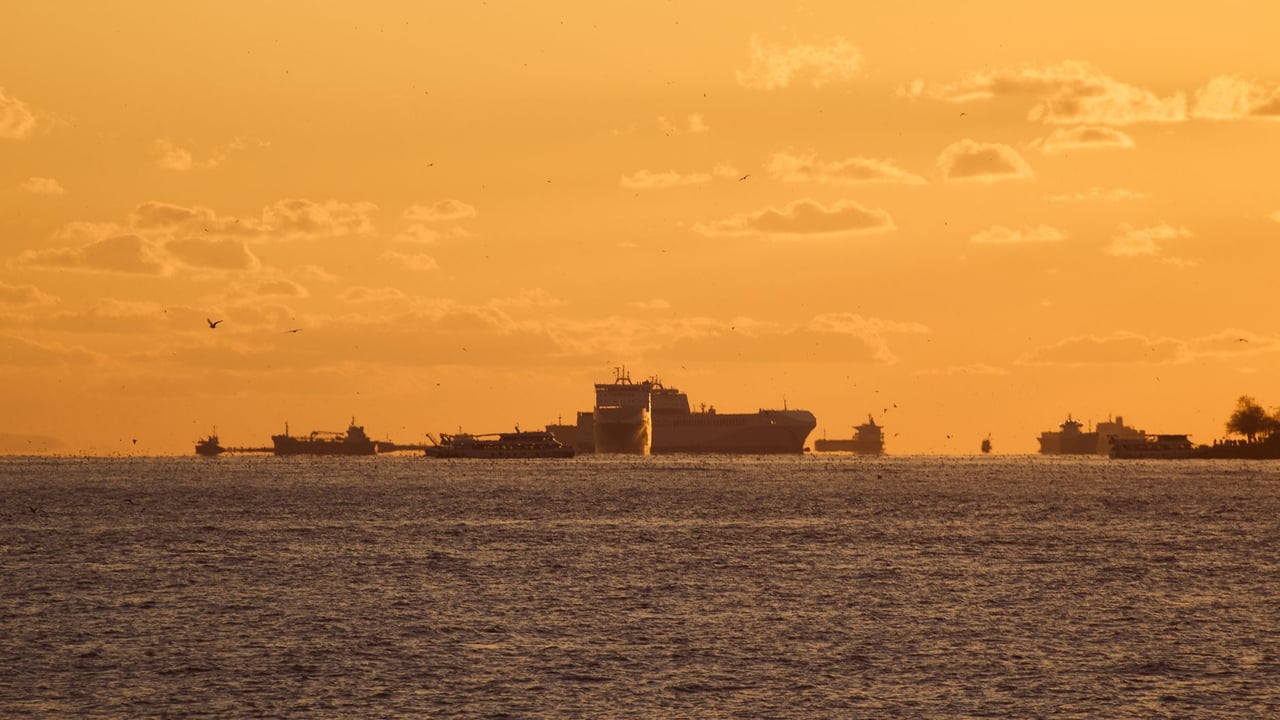
Ships silhouetted against the golden hues of sunset on the Bosphorus Strait.

Key Takeaways

  • 1U.S. Central Command launched 'forceful' retaliatory strikes against Iranian targets on July 7, 2026.
  • 2Three merchant vessels were attacked in the Strait of Hormuz within a 24-hour period, involving drone strikes and IRGC naval assets.
  • 3Iran is attempting to enforce a new maritime transit regime, requiring ships to follow specific routes or lose safety protections.
  • 4Western maritime coalitions have so far failed to establish a sustainable escort mechanism for civilian shipping in the region.

Editor's
Desk

Strategic Analysis

The shift toward overt U.S. kinetic strikes in the Strait of Hormuz marks a critical failure of the regional 'gray zone' deterrence model. Tehran’s strategy has evolved from intermittent harassment to a systematic attempt to rewrite the rules of navigation in international waters by conditioning safety on Iranian-defined transit protocols. This 'sovereignty-by-force' approach directly threatens the global energy supply chain, forcing Washington into a high-stakes military response. While the U.S. strikes aim to re-establish a red line, they also risk a cycle of escalation where asymmetric drone warfare could outpace traditional naval protection capabilities, potentially leading to a permanent increase in global shipping and insurance premiums.

China Daily Brief Editorial
Strategic Insight
China Daily Brief

U.S. Central Command has shifted from posturing to kinetic action, launching a series of "powerful strikes" against Iranian targets on July 7, 2026. This military response follows a surge in hostilities in the Strait of Hormuz, where Iranian forces allegedly targeted three merchant vessels in quick succession. The U.S. military maintains that these actions were necessary to protect innocent civilian mariners operating in international waterways.

The maritime security environment has deteriorated rapidly within the last 24 hours, according to the United Kingdom Maritime Trade Operations. The agency reported three separate drone attacks on tankers, highlighting a sophisticated and coordinated effort to disrupt shipping. Reports from U.S. media suggest that the Islamic Revolutionary Guard Corps successfully hit two vessels, resulting in severe structural damage and raising the stakes for global energy markets.

Tehran has attempted to provide a legalistic veneer for its aggression through the Persian Gulf Strait Authority. Iranian officials recently announced that all vessels must adhere to strictly defined routes and procedures to qualify for safety and insurance guarantees. Washington views this as an illegal attempt to exert sovereign control over an international strait, describing the move as a flagrant violation of existing ceasefire agreements and maritime law.

Despite previous efforts by the United States and European allies to secure the region, an effective and comprehensive escort system has yet to materialize. The current vacuum in maritime security has emboldened local actors to test the limits of international resolve. With the transition to active strikes, the U.S. is signaling that the era of passive monitoring has ended, though the long-term impact on regional stability remains highly uncertain.

Related Articles

📰
No related articles found