
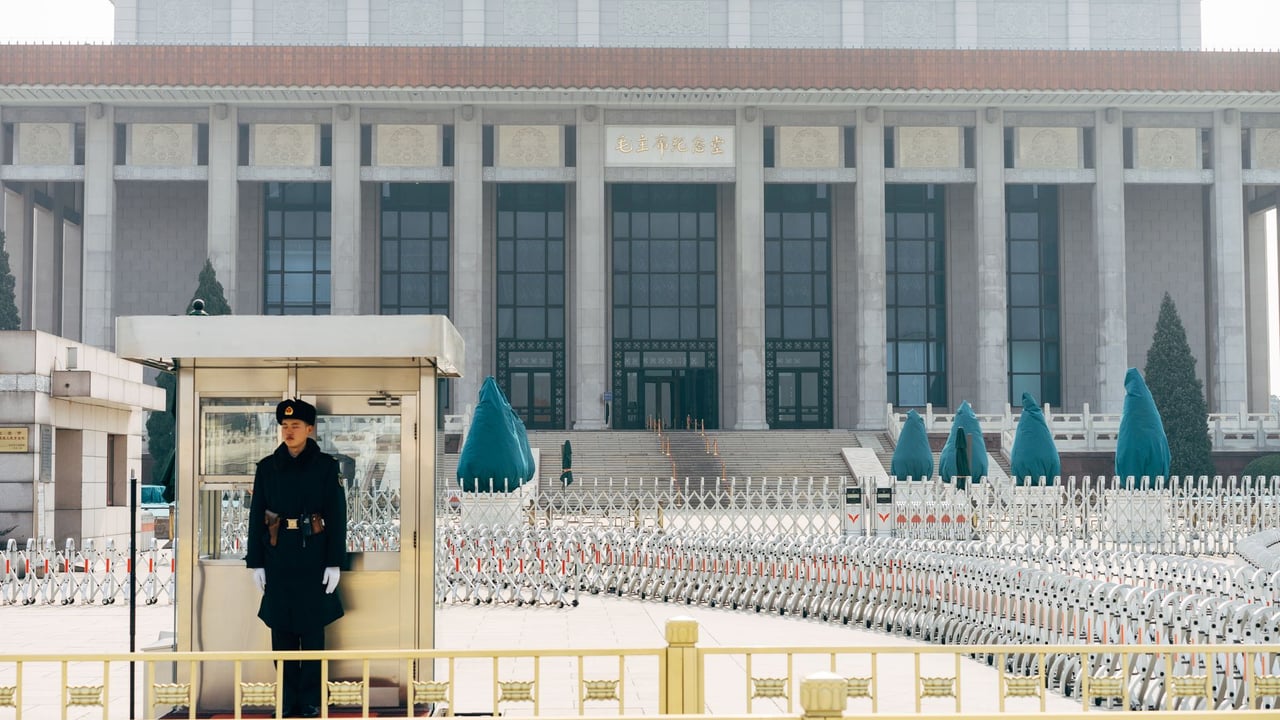

For decades, the People’s Liberation Army (PLA) has sought to position itself not merely as a force for territorial defense, but as the foundational pillar of domestic peace. A recent commentary by Jun Zhengping—the influential pen name representing the PLA Daily’s editorial board—reaffirms this narrative, framing the mere presence of the military as the ultimate psychological anchor for the Chinese public. This messaging underscores a critical component of the Chinese Communist Party’s (CCP) internal strategy: the military as the ‘people’s army’ in times of national crisis.
Historically, the PLA’s domestic reputation has been carefully curated through its visible involvement in disaster relief operations, ranging from the 2008 Wenchuan earthquake to more recent flood mitigation efforts across central China. By using the phrase 'The PLA is here' as a slogan for safety, the state media apparatus leverages the emotional capital of the military to bridge the gap between the central government and local citizens. This 'sense of security' is presented as an essential public good that only the party-state, through its armed wing, can provide.
Beyond the optics of rescue missions, this narrative serves a deeper political function in an era of heightened global and domestic uncertainty. As China faces economic headwinds and shifting demographic challenges, the military is held up as a symbol of consistency and unwavering resolve. The rhetoric focuses on the transition from traditional defense to a comprehensive safety net, ensuring that the public perceives the military as a benign and protective force rather than just an instrument of state power.
Ultimately, the promotion of this 'sense of security' reflects Beijing’s broader objective of civil-military integration. By embedding the military into the fabric of daily safety and social welfare, the CCP reinforces the legitimacy of its governance. This strategy ensures that in moments of extreme volatility—whether natural or man-made—the military remains the primary institution the populace looks to for order and continuity.