The AI Reckoning: MiniMax’s 18% Plunge Exposes the Fraying Pledges of China’s Tech Giants

MiniMax, a leading Chinese AI unicorn, saw its stock price collapse by 18% on its lock-up expiration day as nearly half of its shares hit the market. Despite public promises from 80% of shareholders to hold, the company's valuation has plummeted 77% in three months, signaling a shift in investor preference toward B2B AI models over high-burn consumer strategies.

Share
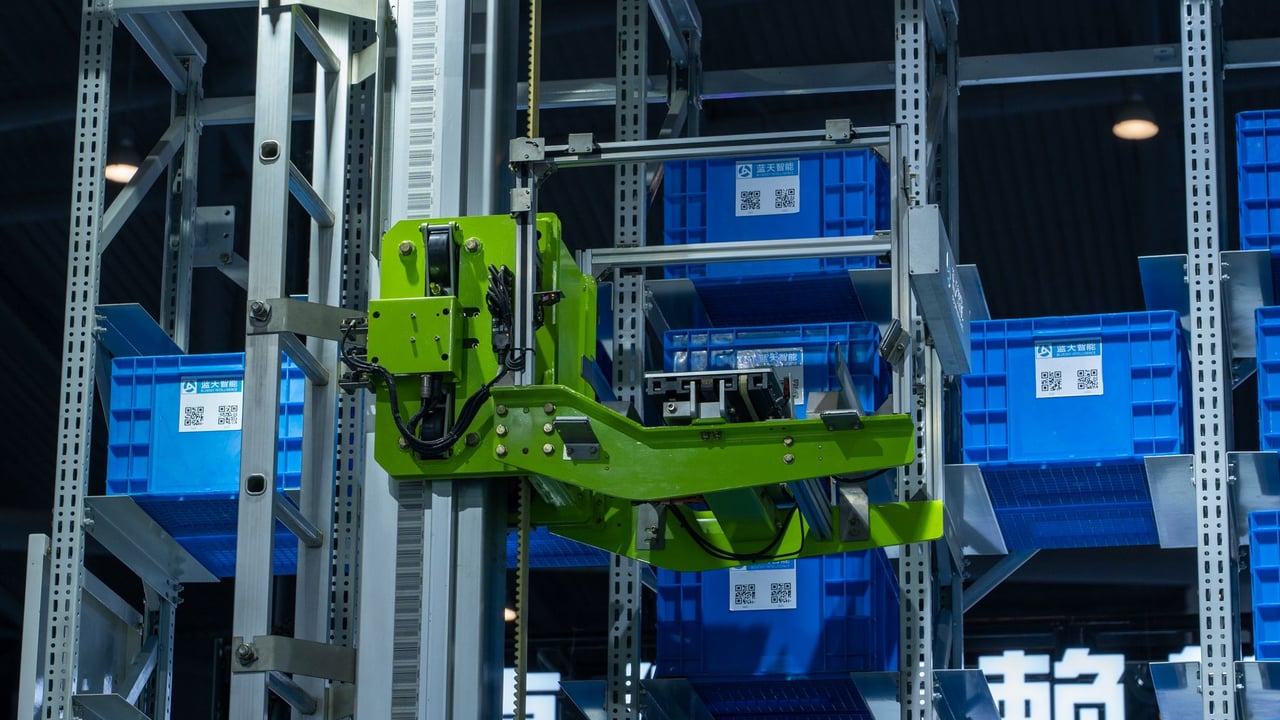
High-tech automated warehouse system featuring a green robotic arm handling blue storage crates.

Key Takeaways

  • 1MiniMax experienced an 18% single-day stock drop as 1.53 billion restricted shares were unlocked.
  • 2The company's market cap has shrunk by 77% over the last three months, falling below the 100 billion HKD mark.
  • 3Over 80% of shareholders, including Alibaba and MiHoYo, pledged not to sell, but market pressure overwhelmed these commitments.
  • 4A clear divergence has emerged between MiniMax’s C-end model (4.7% margin) and competitor Zhipu AI’s B-end model (41% margin).
  • 5Major tech entities like Alibaba and Tencent are backing multiple horses in the AI race, leading to internal cannibalization and 'pair trading' among overlap investors.

Editor's
Desk

Strategic Analysis

The MiniMax collapse represents a pivotal 'reality check' for China's large language model (LLM) sector. For the past two years, the industry thrived on the 'Universal Bet' strategy, where giants like Alibaba and Tencent funded every viable contender to ensure ecosystem capture. However, the secondary market is now demanding fundamental performance over speculative growth. The fact that MiniMax and Zhipu AI share almost identical cap tables has created a survival-of-the-fittest dynamic; investors are no longer supporting the entire sector but are instead shifting capital to the player with the most predictable cash flow. This 'cannibalization' by shared shareholders suggests that the consolidation phase of China’s AI war has begun in earnest, and verbal pledges of support will not protect companies with unproven commercial paths.

China Daily Brief Editorial
Strategic Insight
China Daily Brief

July 9, 2026, marked a brutal day of reckoning for MiniMax, one of China’s most prominent generative AI unicorns. On its first major lock-up expiration day, the company saw 1.53 billion restricted shares—representing nearly half of its total equity—become available for trade. The sudden flood of liquidity, increasing the tradable float from 6% to 50%, triggered a massive sell-off that the market was unprepared to absorb.

Despite a high-profile public pledge from over 80% of its shareholders to hold their positions, the market responded with a wave of selling that sent the stock tumbling over 18%. In just three months, MiniMax has seen its market valuation evaporate by a staggering 77%, falling from a peak of over 400 billion HKD to less than 100 billion HKD. This rout highlights a growing disconnect between the strategic optimism of corporate giants and the cold calculations of secondary market traders.

The carnage at MiniMax is further complicated by its rivalry with Zhipu AI, another industry leader that shares many of the same heavyweight backers, including Alibaba and Tencent. In what traders describe as a ‘pair trade,’ capital appears to be fleeing MiniMax’s consumer-centric model in favor of Zhipu’s more stable business-to-business revenue streams. While Zhipu has successfully defended its valuation through high-margin government and enterprise contracts, MiniMax’s heavy reliance on low-margin consumer apps has left it vulnerable.

Financial investors, including early backers like Hillhouse and Sequoia China, are facing increasing pressure to deliver Distributed to Paid-In Capital (DPI) returns. For these funds, the temptation to lock in gains from early-stage valuations outweighs the soft ‘non-selling’ commitments made by the company’s strategic partners. The divergence in behavior suggests that in the high-stakes world of Chinese AI, verbal loyalty is no match for the urgent need for liquidity in a tightening capital environment.

Related Articles

📰
No related articles found